


What Role Do OTC Hearing Aids Play in Preventive Hearing Care?
OTC hearing aids support preventive hearing care by enabling early treatment before hearing loss progresses and causes secondary health effects. Research links untreated hearing loss to accelerated cognitive decline, increased fall risk, depression, and social isolation. Treating mild to moderate hearing loss early — with accessible options like ELEHEAR Beyond starting at $399 — interrupts that chain of effects before it starts.
[toc]
Preventive care is a well-established concept in most areas of health. We get annual physicals, dental cleanings, and eye exams not because something is wrong, but because catching problems early is dramatically less costly — in every sense — than treating them after they have progressed.
Hearing health has been slow to adopt this mindset. The average person waits seven years between first noticing hearing difficulty and seeking treatment. During those seven years, untreated hearing loss is quietly affecting cognitive function, social engagement, emotional wellbeing, and physical safety.
The arrival of OTC hearing aids — and specifically the best AI OTC hearing aids from brands like ELEHEAR — has created a genuine opportunity to shift hearing care toward a preventive model. This article explains why that shift matters and how it works in practice.
Why Untreated Hearing Loss Is a Preventive Care Problem
Hearing loss rarely stops at the ears. A substantial body of research documents the downstream effects of leaving hearing loss untreated — effects that begin years before hearing loss becomes severe.
Cognitive Decline
The most studied connection is between hearing loss and dementia. A landmark study from Johns Hopkins, following more than 600 adults over a decade, found that mild hearing loss doubled the risk of dementia, moderate loss tripled it, and severe loss increased it fivefold.
The proposed mechanism is cognitive load — the brain works harder to process degraded auditory input, diverting resources from memory, executive function, and other cognitive processes. Over years, this chronic strain accelerates neurological aging.
A 2023 randomized controlled trial — the ACHIEVE study — found that hearing aid use reduced cognitive decline by 48% in older adults at high risk. This is among the strongest evidence yet that treating hearing loss is a genuine preventive measure against dementia, not just a quality of life improvement.
Mental Health and Social Isolation
Hearing loss makes social interaction effortful. Following conversations in groups, keeping up in meetings, participating comfortably in family gatherings — all of these become demanding rather than enjoyable. Over time, many people with untreated hearing loss withdraw from social situations to avoid the strain.
The consequences are well-documented: higher rates of depression and anxiety among adults with untreated hearing loss, reduced social networks, and a cycle of isolation that further accelerates cognitive and physical decline.
Physical Safety
As covered extensively in hearing and falls research, the vestibular system that governs balance shares anatomy with the auditory system. Hearing loss and fall risk are directly connected — and falls are the leading cause of injury death among older adults.
Treating hearing loss addresses all three of these downstream risks simultaneously. This is what makes it a preventive care issue, not just a comfort issue.
The Barrier That OTC Hearing Aids Removed
For decades, the primary barrier to early hearing loss treatment was not awareness — it was access and cost.
Prescription hearing aids averaged $4,700 per pair and required multiple audiologist appointments. For most people experiencing the early stages of hearing loss, that investment felt disproportionate to the perceived severity of the problem. The result was a systematic delay — seven years, on average — during which the preventive window for intervention was gradually closing.
The FDA's 2022 OTC ruling changed this equation directly. Affordable hearing aids are now available without a prescription, without clinic visits, and at prices that make early intervention a realistic choice rather than a financial stretch.
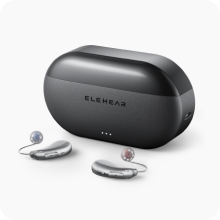
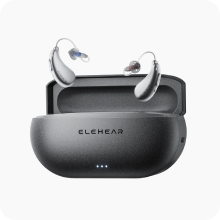
ELEHEAR Beyond at $399 per pair — with AI noise reduction, Bluetooth streaming, and rechargeable batteries — represents exactly the kind of accessible early-intervention technology the preventive care model requires.
How OTC Hearing Aids Support a Preventive Approach
Early Adoption Before Significant Loss
The preventive value of hearing aids is greatest when treatment begins early. Mild hearing loss — the earliest stage at which most people notice difficulty — is precisely the target population for OTC devices. By making treatment accessible at this stage, OTC hearing aids enable intervention years before prescription devices would typically be considered.
A person who begins wearing hearing aids at the first signs of difficulty in noisy environments is addressing the problem when the brain's compensatory mechanisms are still intact. This is meaningfully different from starting treatment after years of cognitive strain from unaided hearing loss.
Consistent Daily Use
Preventive care requires consistency. A hearing aid worn daily provides continuous auditory stimulation that supports cognitive and vestibular function over time. OTC devices designed for comfort and convenience — rechargeable, lightweight, app-controlled — are more likely to be worn consistently than cumbersome prescription devices of earlier generations.
ELEHEAR Beyond's rechargeable design with a full day of battery life, combined with intuitive app control, removes the friction points that cause hearing aids to sit in drawers unused.
Reducing Cognitive Load Daily
Every day that a hearing aid user wears their devices, their brain is freed from the strain of compensating for degraded auditory input. This is not a one-time benefit — it is a daily reduction in cognitive load that, compounded over months and years, is believed to contribute to the protective effect against cognitive decline observed in the research.
The VOCCLEAR® AI noise reduction in ELEHEAR Beyond and Beyond Pro reduces the effort required to follow speech in noisy environments — the most cognitively demanding listening situation for people with hearing loss. The best OTC hearing aids 2026 reduce this daily burden meaningfully.
Practical Preventive Hearing Care: What to Do
A preventive approach to hearing health involves more than buying hearing aids. It involves building hearing care into regular health maintenance.
Get a Baseline Hearing Assessment
ELEHEAR's free online hearing test at elehear.com provides a baseline hearing profile in approximately ten minutes. Taking this test annually gives you a reference point for monitoring change over time — the same principle as annual blood pressure or cholesterol testing.
If your results show mild loss, OTC hearing aids are appropriate. If results suggest more significant loss, the test results provide useful data for an audiological evaluation.
Treat Early, Not Late
The research on cognitive protection from hearing aids suggests the benefit is greater when treatment begins earlier in the course of hearing loss. Waiting until hearing loss is severe enough to be obviously disabling forfeits much of the preventive benefit.
If you notice you are asking people to repeat themselves, turning up the TV more than usual, or struggling in group conversations — these are early signs. They are also the optimal moment to begin treatment.
Protect the Hearing You Have
OTC hearing aids treat existing hearing loss. Preventing further loss requires protecting the ears from noise exposure. The CDC recommends using hearing protection in environments above 85 decibels — power tools, concerts, sporting events, and similar settings.
Noise-induced hearing loss is cumulative and irreversible. The same preventive logic that applies to treating existing loss applies to protecting against additional damage.
Wear Your Hearing Aids Consistently
The preventive benefit of hearing aids accrues through daily, consistent use. ELEHEAR's 45-day trial period allows new users to establish a wearing routine before committing — and the device's comfort and convenience are designed specifically to support daily use.
ELEHEAR Beyond: Built for Preventive, Long-Term Use
The preventive care model requires a hearing aid that users will actually wear every day, for years. ELEHEAR Beyond is designed with that reality in mind.
Rechargeable — No battery replacement routine. Charge overnight, wear all day.
Lightweight and comfortable — Designed for extended daily wear without fatigue.
App-controlled — Adjustments take seconds, not appointments.
VOCCLEAR® AI — Automatic adaptation to changing environments means users are not managing settings throughout the day — the device manages itself.
HSA/FSA eligible — ELEHEAR accepts pre-tax health account funds, reducing the effective cost and making annual device refreshes financially practical.
Frequently Asked Questions
How does treating hearing loss early prevent cognitive decline? Untreated hearing loss forces the brain to spend significant cognitive resources compensating for degraded auditory input — resources that would otherwise support memory and executive function. Hearing aids reduce this cognitive load. A 2023 randomized trial found that hearing aid use reduced cognitive decline by 48% in high-risk older adults over three years.
At what age should I start thinking about preventive hearing care? Hearing screenings are recommended starting in your 50s, or earlier if you have had significant noise exposure, a family history of hearing loss, or notice any difficulty following conversations. Earlier detection means earlier intervention — and earlier intervention is associated with greater long-term benefit.
Can OTC hearing aids really make a difference in long-term hearing health? The evidence suggests yes — consistent hearing aid use is associated with reduced cognitive decline, lower fall risk, and better mental health outcomes. OTC hearing aids have made it possible for people to begin this treatment at the earliest, most preventively valuable stage of hearing loss.
How do I know if my hearing loss is in the OTC range? ELEHEAR's free online hearing test provides a baseline assessment. OTC hearing aids are appropriate for mild to moderate hearing loss. If the test suggests more significant loss, consulting an audiologist is the appropriate next step.
Does ELEHEAR offer a trial period? Yes. ELEHEAR offers a 45-day risk-free trial on all devices. If the hearing aids are not the right fit, you can return them within that window for a full refund.


