


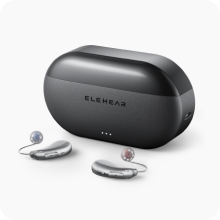
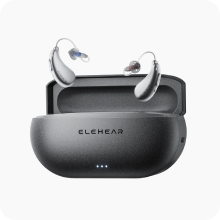


The OTC (over-the-counter) hearing aid market has transformed quickly over the last few years. In 2026, there are more brands, more advanced AI features, and more customization options than ever before. While this gives consumers more choices, it also makes the decision process overwhelming. Choosing the right OTC device is crucial because the wrong one can lead to poor sound quality, discomfort, and a frustrating experience. The right OTC hearing aid, however, can deliver clear speech, strong noise reduction, and meaningful improvements in daily communication.
[toc]
Understand Your Level of Hearing Loss First
Before choosing the best OTC hearing aid, you need to understand the severity of your hearing loss. OTC devices are specifically designed for adults with mild to moderate hearing loss.
Signs You’re a Good Candidate for OTC Devices
-
You hear well in quiet settings but struggle in noise
-
You turn up the TV or phone more than others
-
You miss parts of conversations, especially in groups
-
You ask people to repeat themselves often
When You Should Not Choose an OTC Hearing Aid
If you experience sudden hearing loss, severe hearing loss, dizziness, ear pain, or unilateral symptoms, a medical evaluation is required. OTC devices are not intended for complex or severe cases.
Compare Sound Technology and Processing Features
The quality of a hearing aid is determined by how well it processes sound, manages background noise, and enhances speech.
AI-Powered Sound Enhancement
In 2026, AI has become a defining feature of high-performing OTC hearing aids. AI helps the device:
-
Detect voices more accurately
-
Reduce background noise without distorting speech
-
Adapt automatically to changing environments
-
Learn your preferences over time
Noise Reduction Strength
Look for devices that can handle:
-
Restaurants
-
Traffic
-
Crowded rooms
-
Outdoor wind
-
Sudden loud noises
OTC hearing aids with multi-layer noise reduction—such as modern AI-powered models—perform dramatically better in real-life situations.
Evaluate App Controls and Personalization Options
A great OTC hearing aid should give you control without overwhelming complexity.
What to Look for in a Strong App Experience
-
Easy adjustment of treble, bass, and mids
-
Multiple listening modes
-
Speech focus settings
-
Feedback and wind control options
-
Ability to save personalized profiles
A well-designed app makes the fitting process simple and helps you fine-tune the experience to match your lifestyle.
Self-Fitting Must Be Simple
Since OTC hearing aids do not require audiologist programming, the device should guide you through an easy setup. Look for clear instructions, intuitive controls, and a beginner-friendly layout.
Consider Fit, Comfort, and All-Day Wearability
Even the best technology is useless if the device is uncomfortable.
Choose a Comfortable Style
Most OTC devices come in behind-the-ear (BTE) or receiver-in-canal (RIC) styles. The right one should:
-
Fit securely
-
Feel lightweight
-
Stay comfortable for 8–12 hours daily
Check Dome Sizes and Materials
Multiple dome options ensure a proper seal and better sound quality. Soft silicone domes usually provide the best comfort.
Battery Life and Charging Options Matter
Battery endurance is an essential factor.
Rechargeable vs. Disposable Batteries
Rechargeable hearing aids are now the standard and offer benefits like:
-
Full-day battery life
-
No battery replacements
-
Fast and convenient charging
Disposable batteries are still available but far less popular in 2026 due to cost and inconvenience.
Look for Reliable Brand Reputation and Support
With the explosion of OTC products, not all brands provide the same quality.
What Strong Brands Offer
-
FDA-compliant devices
-
Clear product specifications
-
Transparent user reviews
-
Responsive customer support
-
Warranty and return policy
Companies specializing in hearing technology—such as Elehear—often outperform generic electronics manufacturers in consistency and reliability.
Compare Value, Not Just Price
The cheapest hearing aid is rarely the best choice. Instead of focusing only on price, compare each model based on:
-
AI capabilities
-
Sound clarity
-
Noise reduction strength
-
Comfort
-
App usability
-
Battery performance
-
Real-world reliability
A hearing aid is an investment in daily communication, so performance should always outweigh short-term savings.
Why AI-Powered OTC Devices Stand Out in 2026
In 2026, AI is the technology that separates average devices from truly effective ones. AI-driven OTC hearing aids offer clearer conversations, better environmental adaptation, and less listening fatigue. As users spend more time in noisy environments, AI processing ensures that speech is consistently easy to understand. For adults who want effortless performance and premium clarity without the high cost of prescription hearing aids, AI-powered models provide the strongest results.
Final Thoughts
Choosing the best OTC hearing aid in 2026 requires understanding your hearing needs, comparing key features, and focusing on real-world performance. Devices with AI speech enhancement, strong noise reduction, user-friendly apps, comfortable designs, and reliable customer support consistently deliver the best experience. As the OTC market grows, modern AI-powered solutions—especially those designed with accessibility and clarity in mind—offer powerful, affordable ways to improve hearing without clinical barriers.


