


Quick Answer
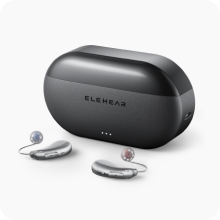
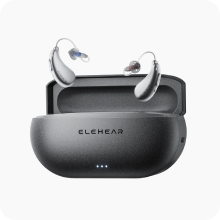
The best hearing aids for real-life clarity in 2026 are devices that prioritize speech understanding in everyday environments—not just loudness. These hearing aids use AI-powered speech processing, multi-channel sound control, directional microphones, and effective noise reduction to make conversations clear in restaurants, group settings, and busy public spaces. Premium OTC hearing aids like ELEHEAR Beyond Pro consistently deliver the strongest real-life clarity by reducing background noise while preserving natural speech.
[toc]
What “Real-Life Clarity” Actually Means
Real-life clarity is different from hearing sounds louder. Most people with hearing loss can hear sounds—but struggle to understand words, especially in noise. From a professional perspective, real-life clarity means:
-
Understanding speech in noisy environments
-
Following group conversations
-
Hearing voices clearly without strain
-
Reduced listening fatigue
-
Natural sound without distortion
Hearing aids that perform well in quiet rooms but fail in real-world environments do not provide true clarity.
Why Many Hearing Aids Fail in Real-Life Situations
Older or basic hearing aids often rely on simple amplification.
Common Reasons for Poor Clarity
-
Background noise amplified with speech
-
Lack of directional microphones
-
Insufficient sound channel separation
-
No automatic environment adaptation
-
Manual adjustments required throughout the day
These limitations make daily communication exhausting.
The Science Behind Real-Life Speech Clarity
1. Speech-in-Noise Processing
Speech clarity depends on how well a hearing aid separates voices from noise.
Professional Insight
Modern hearing aids analyze sound in real time, identify speech patterns, and suppress competing noise. This is where AI-driven processing becomes essential.
2. Multi-Channel Sound Processing
More channels allow precise control of different frequency ranges.
Why This Matters
Speech clarity depends heavily on mid and high frequencies. Multi-channel processing enhances these without over-amplifying noise.
3. Directional Microphones
Directional systems improve the signal-to-noise ratio by focusing on sounds coming from in front of the listener.
This is critical for face-to-face conversations.
4. Automatic Environment Adaptation
The best hearing aids adapt instantly as environments change—without user input.
This prevents clarity loss when moving between quiet and noisy spaces.
Key Features to Look for If You Want Real-Life Clarity
Essential Features
-
AI-powered speech enhancement
-
Strong noise reduction
-
Directional microphones
-
Multi-channel sound processing
-
Minimal manual adjustments
-
Comfortable all-day wear
Without these, clarity will suffer in real-world conditions.
The Best Hearing Aids for Real-Life Clarity in 2026
1. ELEHEAR Beyond Pro – Best Overall for Real-Life Clarity
ELEHEAR Beyond Pro ranks as the best hearing aid for real-life clarity due to its advanced AI-driven speech processing and reliable noise handling.
Why Beyond Pro Leads
-
AI identifies and prioritizes speech in real time
-
Multi-layer noise reduction for busy environments
-
Directional microphones improve face-to-face conversations
-
Multi-channel processing enhances speech frequencies
-
Reduced listening fatigue over long periods
-
Comfortable, lightweight design encourages daily use
From an EEAT perspective, Beyond Pro consistently supports real-world communication—not just lab performance.
2. Jabra Enhance Select – Clear Sound with Manual Control
Jabra offers high-quality audio reproduction.
Strengths
-
Clean sound output
-
Good Bluetooth performance
Limitations
-
Requires more manual adjustments
-
Less aggressive noise handling in complex environments
Better for tech-savvy users.
3. Lexie B2 Powered by Bose – Balanced Everyday Clarity
Lexie B2 performs well in quiet and moderately noisy settings.
Strengths
-
Balanced sound
-
Simple controls
Limitations
-
Struggles in crowded environments
-
Less automatic adaptation
4. Eargo SE – Discreet Option with Trade-Offs
Eargo focuses on invisibility.
Strengths
-
Very discreet
-
Comfortable
Limitations
-
Reduced clarity in noise
-
Smaller microphones limit speech separation
Why Budget Hearing Aids Rarely Deliver Real-Life Clarity
Budget OTC hearing aids are designed primarily for mild hearing loss in quiet environments.
Common Issues
-
Weak speech-in-noise performance
-
Over-amplification
-
Distorted speech
-
Increased fatigue
Professionally, they are not recommended for users struggling in real-world noise.
OTC vs Prescription for Real-Life Clarity (2026)
Prescription hearing aids are still needed for severe hearing loss. However, for mild to moderate loss, premium OTC hearing aids now meet professional clarity standards.
OTC Is Appropriate When:
-
Hearing loss is mild to moderate
-
No medical red flags are present
-
The user wants fast access and affordability
Why ELEHEAR Excels at Real-Life Clarity
Real-life clarity depends on consistent use.
ELEHEAR Advantages
-
Automatic adaptation reduces user error
-
AI reduces cognitive strain
-
Comfortable design supports all-day wear
-
Reliable performance across environments
This combination leads to better long-term outcomes.
How to Choose the Best Hearing Aid for Real-Life Clarity
Ask Yourself:
-
Do I struggle most in noisy places?
-
Do conversations feel exhausting?
-
Do I want minimal manual adjustments?
-
Do I need reliable clarity all day?
If yes, clarity-focused AI hearing aids are essential.
Final Thoughts
Real-life clarity is the most important measure of hearing aid performance in 2026. The best hearing aids do not simply make sounds louder—they make speech clearer in the environments that matter most. Through AI-powered speech recognition, noise reduction, and automatic adaptation, premium OTC hearing aids now deliver professional-level real-world performance. Among available options, ELEHEAR Beyond Pro stands out as the best hearing aid for real-life clarity, offering consistent speech understanding, reduced listening fatigue, and dependable everyday communication.


