


For many, the "ringing in the ears" isn't just a minor annoyance—it is a constant, invisible burden that interferes with sleep, focus, and emotional well-being. If you are struggling with this phantom noise, you’ve likely searched for a "cure" only to find that most clinical answers start with "there is no permanent cure".
However, in 2026, the shift from curing to effective management has changed the lives of millions. By combining advanced medical tech with lifestyle modifications, it is finally possible to move that ringing to the deep background of your life. If you're ready to buy hearing aids or explore modern therapy, here are the solutions that actually work today.

[toc]
1. Addressing the Root: Hearing Loss and Tinnitus
Approximately 80% to 90% of people with tinnitus also have some degree of underlying hearing loss. When your brain stops receiving enough external sound, it compensates by "cranking up the gain" on its internal circuitry, which often manifests as a high-pitched ring.
The Role of High-Performance Amplification
One of the most effective first-line treatments is properly fitted hearing technology. By restoring the sounds your brain has been missing, you effectively "feed" the auditory system, reducing its need to create phantom noises. Recent Elehear reviews highlight that many users experience almost immediate relief simply by reintroducing environmental clarity through the best rated hearing aid 2026 models.
2. AI-Powered Sound Therapy & Masking
Gone are the days of simple white-noise machines. Modern best AI OTC hearing aids utilize sophisticated AI to provide customized relief that adapts to your specific tinnitus pitch.
-
Neural Calibration: Advanced processors found in premium devices provide high-fidelity auditory stimulation that helps the brain "recalibrate," effectively training your nervous system to deprioritize the phantom ringing.
-
Notch Therapy: This method targets the specific frequency of your tinnitus and creates a "dead zone" in the hearing aid’s output. This encourages the brain to stop paying attention to that specific frequency over time.
-
Smart Environmental Adaptation: Built-in sensors in 2026 models continuously analyze your surroundings. When you move from a quiet office to a noisy restaurant, the device automatically adjusts its AI OTC hearing aids with noise reduction settings to maintain consistent relief without manual input.
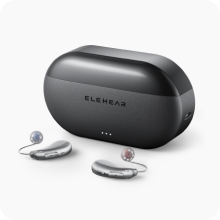
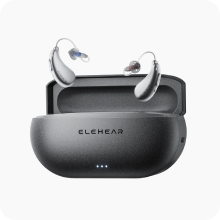
For those seeking affordable hearing aids with professional-grade masking, the Elehear Beyond features over 20 built-in tinnitus customizations, allowing for a personalized relief strategy at a fraction of the traditional cost.
3. Cognitive Behavioral Therapy (CBT) and Retraining
While sound therapy addresses the sound, CBT addresses your reaction to it. Tinnitus often triggers a "fight or flight" response, creating a cycle of stress that makes the ringing louder.
-
Habituation: CBT helps you "habituate," or learn to ignore the sound, much like you ignore the hum of a refrigerator.
-
Mindfulness: Techniques like deep breathing and meditation have been shown to lower the "distress score" of tinnitus, making the sound feel less intrusive.
-
Tinnitus Retraining Therapy (TRT): This uses a combination of counseling and sound generators to retrain the brain to tune out and be less aware of the noises.
4. Lifestyle Adjustments That Move the Needle
Small changes in your daily routine can have a surprisingly large impact on the intensity of ear ringing.
-
Avoid Total Silence: Silence often makes tinnitus seem louder. Use soft music, a fan, or a white noise machine, especially when sleeping.
-
Monitor Your Diet: While no "pill" cures it, reducing stimulants like caffeine and nicotine can improve blood flow and potentially reduce symptom spikes.
-
Stress Management: Exercise and social activity can reduce stress and prevent isolation, which often exacerbates the perception of tinnitus.
-
Protect Your Ears: Further exposure to loud noise is a common cause of worsening symptoms. Always use over-the-ear protection in loud industries or during noisy hobbies.
Conclusion: A Multi-Modal Approach
The consensus in 2026 is that there is no "magic bullet," but there is a path to relief. By combining AI OTC hearing aids with noise reduction to clarify external speech and utilizing tinnitus masking for internal comfort, you can break the distress cycle. Whether you choose the performance of the best OTC hearing aids 2026 or accessible lifestyle changes, you can reclaim your quiet moments.


