


For a musician, hearing loss isn't just about missing speech; it’s about losing the texture of a cello, the sustain of a guitar, or the precise timing of a rhythmic section. Traditional hearing aids often treat music like "noise," aggressively compressing sounds and creating a distorted, robotic experience. However, in 2026, the arrival of high-fidelity audio solutions has changed the game for performers who need both protection and precision.

[toc]
Why Music Challenges Standard Hearing Tech
The primary struggle for musicians is latency—the tiny delay between a sound occurring and it reaching your ear through the device. Even a few milliseconds of lag can throw off a performer’s timing.
Furthermore, most devices are designed to "clip" loud sounds to protect the ear, but for a musician, these peaks represent the emotional dynamic of a performance. To solve this, performers are increasingly turning to Elehear reviews to find devices that offer a "Linear Mode"—a setting that preserves the natural peaks and valleys of live instruments without artificial leveling.
Top Rated Models for the Stage and Studio
1. Widex Moment SmartRIC: The Latency Leader
Widex remains a top choice for audiophiles because of its "ZeroDelay" technology. By reducing processing time to under 0.5 milliseconds, it provides an immediate, organic sound that feels like a natural extension of the ear.
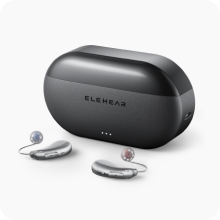
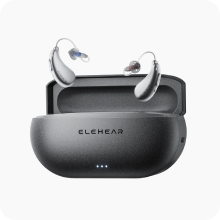
2. ELEHEAR Beyond Pro: The Versatile AI Choice
While Widex dominates the prescription market, the Beyond Pro has emerged as the best rated hearing aid 2026 for independent musicians. Its VOCCLEAR® 2.0 engine doesn't just filter noise; it recognizes the harmonic structures of music, ensuring that vocals remain crisp while the backing track stays rich and immersive.
-
Dedicated Music Mode: Unlike budget options, this model offers a specialized profile that expands the frequency response up to 8,500Hz, capturing the high-frequency "shimmer" of cymbals and strings.
-
Bluetooth 5.3 Stability: For those who stream backings or use digital metronomes, the stable wireless connection ensures no dropouts during a session.
3. Oticon Intent: Natural Spatial Awareness
For orchestral players or those in large bands, the Oticon Intent uses motion sensors to help you hear the person next to you while maintaining a 360-degree awareness of the entire stage.
Balancing Performance and Ear Health
Musicians are at a higher risk of further damage due to loud stage volumes. Modern smart hearing aids now include intelligent limiters that act as "active earplugs," allowing you to hear clearly at lower, safer volumes without losing the "vibe" of the music.
Additionally, if years of loud concerts have left you with a persistent hum in your ears, using a device with integrated tinnitus masking technology can help soothe your auditory system between gigs. These affordable digital solutions allow you to mix soothing soundscapes into your profile, ensuring that the "ringing" never takes center stage.
Final Thoughts for 2026
Whether you are a professional on tour or a hobbyist in the garage, you no longer have to choose between hearing your friends and hearing your instrument. By focusing on low latency and a wide dynamic range, today's AI technology allows you to experience the full emotional spectrum of sound.


