


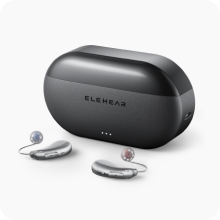
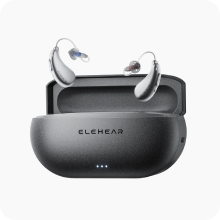


Since the FDA introduced the OTC hearing aid category, the market has grown at a pace the industry has never seen before. More brands, smarter technology, and rising consumer demand have pushed innovation forward rapidly. In 2026, OTC hearing aids are no longer simple amplifiers—many now include advanced AI processing, Bluetooth streaming, environment recognition, and customization features once found only in expensive prescription devices. Understanding the trends shaping the future of OTC hearing aids helps users know what to expect and how to choose the right technology for long-term hearing success.
[toc]
AI-Driven Sound Processing Takes Center Stage
Artificial intelligence is becoming the defining feature of modern OTC hearing aids. In 2026, AI processing isn’t just an upgrade—it’s the new standard.
AI Speech Enhancement Gets More Precise
AI is now able to identify and isolate human speech with exceptional accuracy. Instead of simply amplifying voices, AI enhances clarity, sharpens consonants, and reduces listening effort—even when multiple people speak at once.
Smarter Noise Reduction Than Ever Before
Instead of lowering “all noise,” AI distinguishes between useful and unwanted background sounds.
It knows the difference between:
-
A conversation
-
Wind
-
Traffic
-
Café chatter
-
Sudden loud noises
This selective noise reduction creates a far more natural listening experience.
AI-powered OTC models—like Elehear’s premium devices—are expected to dominate the category in 2026.
Bluetooth Becomes a Must-Have Feature
Bluetooth technology is now essential for modern hearing aid users. As remote work, video calls, and streaming become daily habits, Bluetooth integration will become universal in 2026.
Seamless Streaming for Calls and Media
More OTC hearing aids will offer:
-
Direct phone call streaming
-
High-quality music and podcast playback
-
Clearer audio for videos and social media
-
GPS and system sounds direct to the ear
App-Based Control Becomes Standard
Bluetooth enables deeper personalization through mobile apps. Users can expect:
-
Fine-tuning sound profiles
-
Adjusting noise reduction
-
Controlling directional microphones
-
Switching between listening modes
As a result, hearing aids will feel more like smart devices than medical products.
Self-Fitting Technology Gets More Accurate
In 2026, one of the biggest advancements will be smarter self-fitting capabilities.
Better In-App Hearing Tests
Users can expect guided hearing checks that adjust amplification automatically with better precision.
Adaptive Learning Over Time
OTC hearing aids will increasingly learn:
-
Preferred volume levels
-
Common listening environments
-
Noise tolerance
-
User behavior patterns
This creates a personalized experience without clinic visits.
Rechargeable Batteries Become Universal
Goodbye disposable batteries. In 2026, the shift to rechargeable hearing aids continues to accelerate.
Longer Battery Life, Faster Charging
Expect improvements such as:
-
Full-day battery performance
-
Quick-charging features
-
More efficient power management during Bluetooth streaming
-
Portable charging cases with extended power
Rechargeability will become the standard across all budget levels.
More Natural, Real-World Sound Quality
OTC hearing aids are becoming better at preserving the richness of natural environments.
Better Microphone Systems
Directional microphones will improve spatial awareness and help users understand where sounds are coming from.
Less Distortion Across Frequencies
New DSP (digital signal processing) chips reduce the mechanical “hearing aid sound,” replacing it with clearer, smoother output.
Wind and Feedback Control Improvements
Automatic detection and suppression will become more accurate and proactive.
Increased Accessibility and More Competitive Pricing
With more players entering the OTC category each year, competition is driving rapid improvements in quality—and lowering costs.
Premium-Level Features at OTC Prices
What once cost $4,000–$6,000 in a clinic will increasingly appear in $500–$800 premium OTC models.
More Consumer Education and Transparency
Users will see better product labeling, clearer tech explanations, and more accessible setup guides.
This shift makes premium OTC brands like Elehear a high-value alternative to traditional prescription devices.
Integration with Health Apps and Smart Ecosystems
OTC hearing aids are expected to integrate more deeply with digital health platforms.
Possible Advancements Include:
-
Hearing wellness reports
-
Listening behavior analytics
-
Noise exposure tracking
-
Integration with Apple Health / Google Health
-
Future AI-generated hearing recommendations
These features will position hearing aids as part of a broader health ecosystem—similar to watches and fitness trackers.
Final Thoughts
The future of OTC hearing aids in 2026 is defined by smarter technology, greater accessibility, and more powerful sound improvement tools. With AI-enhanced speech clarity, advanced Bluetooth streaming, stronger noise reduction, and improved self-fitting, OTC devices are quickly closing the gap with traditional prescription hearing aids. For adults with mild to moderate hearing loss, premium OTC solutions—especially AI-powered models like Elehear—offer one of the most effective, user-friendly, and affordable paths to better hearing in the years ahead.


