


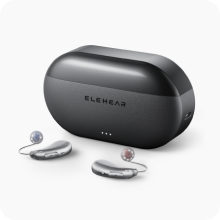
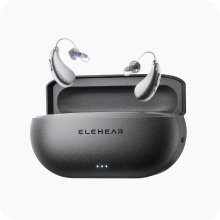


Determining whether to use one or two hearing aids is a critical decision that impacts not only the effectiveness of the hearing solution but also the overall quality of life for those with hearing loss. While individual needs may vary, understanding the benefits and considerations of using either one or two hearing aids can help make an informed decision. This article explores key factors to consider when choosing between one or two hearing aids.
Understanding Binaural Hearing
Humans naturally have binaural, or two-eared, hearing, which allows us to locate the source of sounds, understand speech in noisy environments, and filter out background noise. This natural system means using two hearing aids often replicates the normal auditory process more accurately than using just one.
Benefits of Two Hearing Aids
- Improved Speech Understanding:Two hearing aids can enhance speech clarity, especially in noisy settings. This is because binaural hearing aids provide a more natural experience and help the brain to process sounds from both sides.
- Better Sound Localization:With two hearing aids, individuals can better determine where sounds are coming from. This spatial awareness is crucial for safety and improves interaction with the environment.
- Increased Sound Quality:Using two hearing aids typically offers a fuller, more balanced sound quality, providing a more pleasant listening experience.
- Reduced Listening Effort:With better sound quality and clarity, the brain doesn't have to work as hard to interpret sounds, leading to less listening fatigue throughout the day.
- Decreased Volume Needs:With two hearing aids, each can be set at a lower volume than a single aid, reducing the risk of further hearing damage.
Situations Favoring One Hearing Aid
While two hearing aids are generally recommended, there are situations where one might be sufficient or more appropriate:
- Unilateral Hearing Loss:If hearing loss is only present in one ear, a single hearing aid may be sufficient. In some cases, a CROS (Contralateral Routing of Signal) hearing aid might be used, where a device is worn on the better-hearing ear to pick up sound from the impaired side and transmit it to the good ear.
- Cost Considerations:OTC hearing aids are more affordable than traditional models, but purchasing two can still be a significant investment. For those with budget constraints, starting with one hearing aid might be necessary.
- Personal Comfort and Lifestyle:Some individuals might find wearing two hearing aids uncomfortable or unnecessary for their lifestyle. For example, if one ear has only minimal hearing loss, they might opt for a single aid.
How to Decide: One or Two?
Deciding whether to use one or two hearing aids should ideally be based on a comprehensive hearing evaluation by a professional. Here are some steps and considerations in making this decision:
- Complete a Professional Hearing Test:An audiologist can assess the level and type of hearing loss in both ears. This assessment is crucial as it provides a detailed understanding of your hearing needs.
- Trial Period:Many audiologists offer a trial period for hearing aids, allowing users to experience the benefits of one versus two hearing aids in real-world settings.
- Evaluate Your Daily Environments:Consider the environments in which you spend your time. If you frequently find yourself in noisy places or situations requiring directional hearing, two hearing aids might be more beneficial.
- Consult with Your Audiologist:Discuss your lifestyle, budget, and any concerns with your audiologist to make an informed decision.
Conclusion
In most cases, two hearing aids are better than one when it comes to treating bilateral hearing loss. They offer superior sound quality, better speech understanding in noise, and more natural listening experiences. However, for those with unilateral hearing loss or other specific needs, one hearing aid might be sufficient. Ultimately, the decision should be based on a detailed hearing evaluation, personal preferences, lifestyle considerations, and professional advice. By carefully considering these factors, individuals with hearing loss can choose the hearing aid solution that best fits their needs, ensuring optimal hearing support and an improved quality of life.


