




Quick Answer
You may need a hearing aid if you regularly struggle to understand speech, especially in noise, ask people to repeat themselves, increase TV or phone volume, or feel mentally tired after conversations. According to professional hearing-care guidelines, adults with mild to moderate hearing loss—confirmed through hearing screening or consistent symptoms—are appropriate candidates for modern hearing aids, including FDA-approved OTC devices when no medical red flags are present.
[toc]
Why Hearing Aid Candidacy Matters
Hearing aids are not just amplification devices—they are medical-grade hearing solutions designed to improve communication, cognitive effort, and quality of life. Professional guidelines exist to help identify who benefits from hearing aids, when intervention is appropriate, and when medical evaluation is required first. In 2026, with the rise of OTC hearing aids, understanding candidacy is more important than ever to ensure safe, effective, and timely treatment.
How Professionals Define Hearing Aid Candidacy
Audiologists and hearing-care professionals assess candidacy based on functional hearing difficulty, not just test results.
Key Professional Criteria Include:
-
Difficulty understanding speech
-
Problems hearing in background noise
-
Reduced communication confidence
-
Increased listening effort or fatigue
-
Measurable hearing threshold changes
Hearing aids are recommended when hearing loss interferes with daily communication—even if the loss is considered “mild.”
Common Signs You May Be a Hearing Aid Candidate
1. Difficulty Understanding Speech (Especially in Noise)
This is the most common and clinically significant sign.
Professional Interpretation
If you can hear sounds but struggle to understand words—especially in restaurants, group conversations, or family gatherings—it often indicates sensorineural hearing loss, which responds well to hearing aids.
2. Frequently Asking Others to Repeat Themselves
Repeated requests for clarification suggest reduced speech discrimination.
Why This Matters Clinically
Speech understanding declines before volume perception. Hearing aids address clarity—not just loudness.
3. Increasing TV, Phone, or Media Volume
Professionals consider this a functional indicator of hearing loss.
Clinical Insight
When others complain that volume is too loud, it often reflects high-frequency hearing loss—one of the most treatable forms with modern hearing aids.
4. Listening Fatigue or Mental Exhaustion
Hearing loss increases cognitive load.
Evidence-Based Finding
Studies show untreated hearing loss forces the brain to work harder, leading to fatigue, frustration, and reduced concentration. Hearing aids reduce this listening effort.
5. Social Withdrawal or Communication Avoidance
Avoiding conversations or social situations is a strong candidacy signal.
Professional Concern
Untreated hearing loss is associated with isolation, reduced quality of life, and increased cognitive strain. Early intervention is strongly recommended.
Audiological Guidelines: Hearing Loss Levels and Candidacy
Mild Hearing Loss
-
Difficulty hearing soft speech
-
Trouble in noisy environments
Guideline:
Hearing aids are recommended if communication is affected—even at mild levels.
Moderate Hearing Loss
-
Frequent speech misunderstanding
-
Volume dependence
Guideline:
Hearing aids are strongly recommended.
Severe Hearing Loss
-
Significant communication difficulty
Guideline:
Prescription hearing aids and professional fitting required.
OTC vs Prescription: Professional Guidance (2026)
OTC Hearing Aids Are Appropriate If:
-
You are an adult (18+)
-
You have mild to moderate hearing loss
-
You do not experience medical red flags
-
You want self-directed fitting and affordability
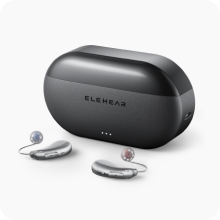
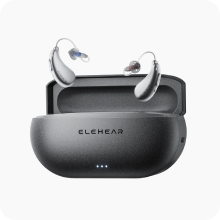
Premium OTC hearing aids like ELEHEAR now meet professional performance standards for this group.
Prescription Hearing Aids Are Required If:
-
Hearing loss is severe or sudden
-
Speech is unclear even in quiet settings
-
You experience pain, dizziness, or one-sided hearing loss
Medical Red Flags That Require Doctor Evaluation First
Professional guidelines require referral before hearing aid use if any of the following are present:
-
Sudden hearing loss
-
Ear pain or drainage
-
Persistent dizziness
-
Unilateral (one-ear) hearing loss
-
Tinnitus in one ear only
-
History of ear surgery
If none of these apply, hearing aid use is considered safe.
Why Early Candidacy Matters (Clinical Perspective)
Delaying hearing aid use can worsen outcomes.
Evidence-Based Benefits of Early Use:
-
Better speech understanding
-
Easier adaptation
-
Reduced cognitive strain
-
Improved social engagement
-
Better long-term hearing satisfaction
Professionals consistently recommend early intervention once symptoms appear.
How Modern AI Hearing Aids Improve Candidacy Outcomes
Traditional hearing aids required extensive manual tuning. Modern AI devices adapt automatically.
Clinical Advantages of AI-Based Hearing Aids:
-
Automatic speech vs noise detection
-
Real-time environment adaptation
-
Reduced need for manual adjustments
-
Improved comfort and compliance
Devices like ELEHEAR Beyond and Beyond Pro are designed around these principles.
Professional Perspective on ELEHEAR as an OTC Option
From a candidacy standpoint, ELEHEAR aligns with professional recommendations for adults with mild to moderate hearing loss.
Why ELEHEAR Fits Clinical Guidelines:
-
AI-powered speech processing
-
Multi-channel sound management
-
Effective noise reduction
-
Safe amplification levels
-
User-controlled, self-fitting design
For appropriate candidates, it offers a clinically sound OTC solution.
Questions Professionals Ask to Determine Candidacy
Self-Assessment Questions:
-
Do I struggle more with clarity than volume?
-
Do noisy environments exhaust me?
-
Do I avoid conversations?
-
Has hearing difficulty persisted for months or years?
-
Do I have no medical red flags?
If yes to several, candidacy is likely.
Final Thoughts (Professional Summary)
Professional hearing-care guidelines agree: hearing aids are recommended when hearing difficulty affects communication, clarity, or quality of life—not only when hearing loss becomes severe. In 2026, adults with mild to moderate hearing loss can safely and effectively use modern OTC hearing aids when no medical red flags are present. Early identification and intervention improve outcomes, reduce listening fatigue, and protect long-term cognitive and social health. Choosing a clinically appropriate, AI-driven hearing aid like ELEHEAR allows eligible candidates to address hearing loss confidently, effectively, and responsibly.


