



Quick Answer
Sound amplification simply makes all sounds louder, while sound processing intelligently analyzes and adjusts sounds to improve speech clarity and reduce noise. Amplification boosts volume equally, whereas sound processing—especially with AI—separates speech from background noise and adapts sound in real time. Modern hearing aids rely on sound processing, not amplification, to deliver clearer, more comfortable, and more natural hearing.
[toc]
Why This Difference Matters in 2026
Many people still believe hearing aids just “make sounds louder.” That may have been true years ago, but in 2026 the most effective hearing aids use advanced sound processing powered by AI. Understanding the difference between amplification and processing helps you avoid outdated devices and choose a hearing aid that actually improves conversation—not just volume.
What Is Sound Amplification?
Sound amplification is the simplest form of hearing assistance.
How Sound Amplification Works
-
All incoming sounds are increased in volume
-
Speech and background noise are boosted together
-
No distinction between important and unimportant sounds
Examples of Amplification Devices
-
Basic sound amplifiers
-
Older hearing aids
-
Low-cost “hearing enhancer” products
Limitations of Sound Amplification
-
Background noise becomes overwhelming
-
Speech may sound distorted
-
Loud environments become uncomfortable
-
Listening fatigue increases quickly
Amplification alone does not improve understanding—it only increases loudness.
What Is Sound Processing?
Sound processing is a more advanced approach used in modern hearing aids.
How Sound Processing Works
Instead of making everything louder, sound processing:
-
Analyzes sound in real time
-
Separates speech from noise
-
Adjusts different frequencies independently
-
Enhances clarity rather than volume
Modern hearing aids break sound into channels and process each one differently.
Key Differences Between Amplification and Processing
1. Speech Clarity
-
Amplification: Speech and noise are equally loud
-
Processing: Speech is enhanced while noise is reduced
This is the single biggest difference users notice in real life.
2. Performance in Noisy Environments
Restaurants, family gatherings, and public places expose the weakness of amplification.
Amplification in Noise
-
Makes noise louder
-
Speech gets lost
-
Conversations become exhausting
Processing in Noise
-
Identifies voices
-
Suppresses background noise
-
Maintains comfort and clarity
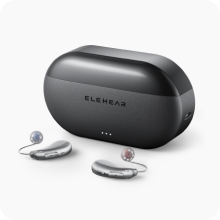
AI-powered hearing aids like ELEHEAR are designed specifically for noisy, real-world environments.
3. Sound Comfort and Naturalness
Amplification often produces harsh or unnatural sound.
Why Processing Sounds Better
-
Smooth transitions between frequencies
-
Balanced sound output
-
Reduced distortion
-
More natural voices
This makes modern hearing aids comfortable for all-day wear.
4. Listening Fatigue
Amplification forces the brain to work harder.
Why Processing Reduces Fatigue
-
Clearer speech requires less mental effort
-
Noise is controlled automatically
-
Fewer manual adjustments
Users often report feeling less tired and more focused with processed sound.
Where AI Fits into Sound Processing
What AI Does in Modern Hearing Aids
Artificial intelligence takes sound processing to the next level.
AI-Driven Sound Processing Can:
-
Detect speech vs background noise
-
Adapt automatically to environments
-
Adjust settings in real time
-
Learn user preferences
-
Reduce the need for manual controls
AI allows hearing aids to respond instantly to real-life situations.
Amplification vs Processing: Side-by-Side Comparison
Sound Amplification
-
Increases volume only
-
No noise separation
-
Manual adjustments required
-
Outdated technology
Sound Processing
-
Enhances clarity
-
Reduces background noise
-
Uses frequency channels
-
Adapts automatically
-
Supports AI optimization
Modern hearing aids rely on processing—not amplification.
Why OTC Hearing Aids Have Changed the Market
In the past, advanced sound processing was only available in expensive prescription hearing aids. Today, premium OTC hearing aids offer the same core processing technologies.
Modern OTC Hearing Aids Provide:
-
Multi-channel sound processing
-
AI speech enhancement
-
Directional microphones
-
Noise reduction
-
Bluetooth streaming
-
Rechargeable batteries
Devices like ELEHEAR Beyond and Beyond Pro deliver real sound processing—not simple amplification.
How to Tell If a Hearing Aid Uses Processing or Amplification
Signs of Simple Amplification
-
Very low price
-
No app or customization
-
No mention of AI or noise reduction
-
Everything sounds louder, not clearer
Signs of Real Sound Processing
-
AI or adaptive technology
-
Multiple sound channels
-
Noise reduction features
-
Speech enhancement
-
App-based control
Always check the technology description—not just the price.
Why Sound Processing Is Essential in 2026
Modern life includes noise, movement, digital communication, and social interaction. Hearing aids must adapt instantly.
Sound Processing Is Essential For:
-
Restaurants and gatherings
-
Phone and video calls
-
Work environments
-
Travel
-
Long daily wear
Amplification alone cannot meet these needs.
How ELEHEAR Uses Advanced Sound Processing
ELEHEAR hearing aids are built around intelligent sound processing, not amplification.
ELEHEAR Processing Advantages
-
AI-powered speech enhancement
-
Multi-channel frequency processing
-
Automatic noise reduction
-
Real-time environment adaptation
-
Natural sound output
-
Reduced listening fatigue
The result is clearer conversations without constant adjustments.
Which One Should You Choose?
Choose Amplification Only If:
-
You have extremely mild hearing issues
-
You are in very quiet environments
-
You need temporary assistance
Choose Sound Processing If:
-
You struggle in noise
-
You want clearer conversations
-
You wear hearing aids daily
-
You want comfort and clarity
-
You want modern AI support
For most users, sound processing is the only practical long-term solution.
Final Thoughts
Sound amplification and sound processing are not the same—and the difference dramatically affects how well you hear. Amplification simply increases volume, while sound processing intelligently enhances speech and controls noise. In 2026, modern hearing aids rely on advanced sound processing and AI to deliver clarity, comfort, and confidence in everyday life. Choosing a hearing aid with real sound processing, like ELEHEAR, ensures a more natural hearing experience and less listening fatigue—making communication easier in every environment.


