




Why Upgrading Your Hearing Aids Matters More Than You Think
Hearing aids are not lifetime devices. Just like smartphones or laptops, hearing aid technology evolves rapidly—and older models can quietly fall behind your real needs. If your current hearing aids were purchased several years ago, they may no longer provide the clarity, comfort, or convenience you expect today. In 2026, modern OTC hearing aids offer advanced AI speech processing, stronger noise reduction, Bluetooth connectivity, and rechargeable batteries that dramatically improve daily communication. If you’re unsure whether it’s time to upgrade, the following five signs can help you decide.
[toc]
1. You Still Struggle to Hear in Noisy Environments
One of the clearest signs it’s time to upgrade is difficulty understanding speech in noisy places.
Common Problem Scenarios
-
Restaurants and cafés
-
Family gatherings
-
Group conversations
-
Social events
-
Public spaces
Older hearing aids often amplify all sound equally, making background noise overwhelming.
Why Newer Hearing Aids Help
Modern AI-powered hearing aids automatically identify speech and reduce background noise. Devices like ELEHEAR Beyond Pro use multi-layer noise reduction to isolate voices, making conversations clearer and far less tiring.
If noise still overwhelms speech, your current device is likely outdated.
2. Your Hearing Aids Require Constant Manual Adjustments
If you frequently adjust volume or settings throughout the day, your hearing aids may no longer be keeping up with changing environments.
Signs of This Issue
-
Turning volume up and down repeatedly
-
Switching programs constantly
-
Feeling frustrated with controls
-
Never feeling “comfortable” with the sound
What Modern Hearing Aids Do Differently
Newer models use AI to automatically adapt to your environment—quiet rooms, busy streets, or crowded rooms—without manual input. This hands-off experience reduces stress and listening fatigue.
3. Battery Issues Are Becoming a Daily Frustration
Battery problems are a major reason users upgrade.
Warning Signs
-
Batteries don’t last a full day
-
Frequent battery replacements
-
Sudden power loss
-
Difficulty handling tiny disposable batteries
Why Rechargeable Hearing Aids Are Better
Rechargeable hearing aids have become the standard in 2026. They offer:
-
Full-day battery life
-
Simple overnight charging
-
No disposable batteries
-
More reliable performance
For many users—especially seniors—rechargeable models alone justify an upgrade.
4. Your Hearing Aids Lack Bluetooth or Streaming Features
If your hearing aids don’t connect to your phone, TV, or computer, you’re missing out on a major quality-of-life upgrade.
Why Bluetooth Matters Today
Bluetooth-enabled hearing aids allow:
-
Phone calls streamed directly into your ears
-
Clear audio for video calls
-
Easier TV and media listening
-
Better clarity during remote work
In a digital-first world, hearing aids without Bluetooth feel outdated very quickly.
Modern Advantage
Premium OTC hearing aids like ELEHEAR integrate Bluetooth seamlessly, making everyday communication easier and more natural.
5. Your Hearing Needs Have Changed
Hearing loss can change gradually, and hearing aids that once worked well may no longer match your needs.
Signs Your Needs Have Changed
-
Asking people to repeat themselves more often
-
Feeling mentally exhausted after conversations
-
Avoiding social situations
-
Turning up TV or phone volume
Why an Upgrade Helps
Newer hearing aids offer:
-
More precise sound processing
-
Better speech clarity
-
Reduced listening effort
-
Improved comfort for longer wear
Upgrading isn’t just about sound—it’s about protecting your mental energy and confidence.
How Often Should Hearing Aids Be Upgraded?
Most hearing aids last 4–6 years, but technology advances faster than that.
Reasons to Upgrade Earlier
-
Major improvements in AI and noise reduction
-
Shift to rechargeable batteries
-
Bluetooth becoming essential
-
Better OTC options at lower prices
In 2026, upgrading often means better performance at a lower overall cost than older prescription models.
Why ELEHEAR Is a Smart Upgrade Choice
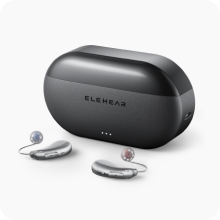
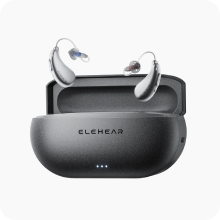
ELEHEAR hearing aids are designed for modern users who want simplicity, clarity, and premium performance without prescription pricing.
What Makes ELEHEAR Ideal for Upgrading
-
Advanced AI speech enhancement
-
Multi-layer noise reduction
-
Rechargeable all-day battery
-
Bluetooth streaming for calls and media
-
Easy self-fitting app
-
Comfortable for long-term daily use
For users upgrading from older hearing aids, ELEHEAR delivers a noticeable improvement in real-world communication.
Questions to Ask Before You Upgrade
Ask Yourself:
-
Do I still struggle in noisy places?
-
Do I feel tired after conversations?
-
Am I constantly adjusting my hearing aids?
-
Do battery issues frustrate me?
-
Do I want better phone and media clarity?
If you answered “yes” to two or more, it’s likely time to upgrade.
Final Thoughts
Upgrading your hearing aids isn’t about chasing the newest technology—it’s about improving how you communicate, connect, and live each day. If your current devices struggle in noise, lack modern features, or feel inconvenient, newer OTC hearing aids can make a meaningful difference. With AI-powered clarity, rechargeable convenience, and Bluetooth integration, modern options like ELEHEAR offer a smarter, more comfortable hearing experience for 2026 and beyond.


