


If you are looking for waterproof hearing aids, the most important detail is how much water a specific device is actually designed to handle. Some hearing aids offer useful protection against sweat, rain, and accidental splashes, but those everyday situations are very different from swimming. Before heading into a pool, lake, or ocean, check the device’s water-resistance rating and the manufacturer’s instructions for that exact model.

Waterproof vs. Water-Resistant Hearing Aids
Waterproof hearing aids are specifically designed and approved to handle more extensive contact with water under the conditions stated by the manufacturer. Depending on the device, those conditions may include immersion for a certain depth or period of time. The product instructions still determine exactly where and how the hearing aids can be used around water.
Water-resistant hearing aids are designed to tolerate more limited moisture exposure within their rated conditions. This can include sweat during exercise, light rain, humidity, or an accidental splash. Their water resistance provides useful protection during everyday activities, while swimming, showering, and prolonged immersion may fall outside their intended use.
The difference comes down to the level and duration of water exposure the device is designed to withstand. Sweat during a walk, a few drops of rain, and thirty minutes in a swimming pool place very different demands on hearing aids.
Common water-exposure situations include:
- Sweat during a workout
- Light or brief rain
- An accidental splash
- Temporary immersion
- Showering
- Swimming or other prolonged water activities
IP ratings add more detail to these water-resistance limits, especially when comparing IP67 and IP68 devices.
What Do IP67 and IP68 Mean for Hearing Aids?
Many hearing aids and other electronic devices use an IP, or Ingress Protection, rating. The IEC’s ingress protection rating system classifies how an enclosure protects against solid particles and water. The first number refers to protection from solids such as dust, while the second refers to water ingress.
|
Rating |
What the Rating Generally Indicates |
What It Does Not Automatically Confirm |
|
IP67 |
Dust-tight protection plus temporary immersion under specified test conditions |
Approval for swimming or showering |
|
IP68 |
Dust-tight protection plus immersion under conditions specified for that product |
Unlimited underwater use or automatic approval for swimming |
The distinction is especially important with IP68. The exact immersion conditions are defined for the product, so seeing “IP68” alone does not tell you everything about appropriate real-world use.
IP testing also takes place under controlled conditions. A swimming pool introduces chlorine, while the ocean adds salt and sand. Showering may expose a device to soap, shampoo, steam, and running water. These situations go beyond simply asking whether water touched the hearing aid. Water resistance can also become less reliable if a device is physically damaged or its protective surfaces deteriorate over time, so visible wear is another reason to follow the care guidance for your specific model.
Treat the rating as one piece of information, then check the manufacturer’s specific usage instructions before deciding where the device can safely stay in your ears.

Can You Swim With Hearing Aids?
You should wear hearing aids while swimming only when the exact model is specifically approved for swimming or the type of underwater use you have planned.
For ordinary daily-wear hearing aids, taking them out before entering the water is the safer routine. Swimming creates several conditions that differ from sweat, rain, or an occasional splash.
Water exposure lasts longer. Getting caught in light rain may expose a hearing aid to moisture briefly. A swim can keep the device wet or submerged for an extended period.
Your movement changes the exposure. Turning your head, swimming laps, jumping into the water, or moving through waves repeatedly changes how water reaches the device.
Pool and ocean water contain more than fresh water. Chlorine and salt can leave residue on small openings and exterior surfaces. At the beach, sand adds another material that you do not want around microphones or charging contacts.
Water can interfere with sound pickup. Hearing aid microphones and receivers are designed for normal listening in air. Water around acoustic openings can affect sound even when the device has some resistance to moisture.
There is also a loss risk. A device that loosens during a swim can be much harder to find than one that falls out during a walk.
If you rely on your hearing aids right up until you enter the pool, keep a clean, dry storage case nearby. You can remove the devices immediately before swimming and put them back on once you are dry.
How Should You Handle Everyday Water Situations?
Water resistance becomes more useful when you connect the specification to situations you actually encounter.
|
Situation |
Practical Approach |
|
Sweating during exercise |
Check your model’s moisture protection and wipe away sweat after activity |
|
Light rain |
Water-resistant models may provide useful protection during brief exposure |
|
Accidental splash |
Wipe the device dry promptly and follow its care instructions |
|
Poolside activities |
Keep a dry case nearby and avoid repeated splashes |
|
Showering |
Remove the hearing aids unless the manufacturer specifically approves shower use |
|
Swimming |
Wear only a device specifically approved for swimming |
|
Beach trips |
Protect the hearing aids from water, salt, and sand |
This also explains why a hearing aid can be well suited to an active lifestyle without being designed for underwater use. Someone who walks daily, exercises at the gym, gardens, travels, or spends summer afternoons outside may benefit from protection against normal moisture exposure. A planned swim simply calls for a different routine: take the devices out and store them somewhere dry before entering the water.
What Should You Do if Your Hearing Aids Get Wet?
An unexpected splash or drop into water can happen. What you do next should follow the care instructions for your particular hearing aids rather than a generic routine designed for older devices.
- Remove the hearing aids from the wet environment. Avoid additional water exposure while you dry yourself or move away from the pool, sink, or shower.
- Wipe away visible moisture. Use a clean, soft, dry cloth and handle microphone openings carefully.
- Follow the recommended drying method. If your manufacturer recommends a hearing aid dryer or dry box, use it according to the instructions. Avoid using a hair dryer, oven, or other direct heat source to speed up drying, since excessive heat can damage sensitive components.
- Check charging areas before charging. Rechargeable hearing aids and their contacts should be dry before going back into the charging case.
- Check performance after drying. If sound remains weak, distorted, intermittent, or the device does not operate normally, contact product support for guidance.
Older hearing aid advice sometimes recommends opening a disposable battery compartment. Many current rechargeable hearing aids do not have one, so that step should not be treated as universal.
If you are unsure about the correct drying procedure for your model, the ELEHEAR Support Center provides access to product manuals and support resources.
What Does Water Resistance Mean for ELEHEAR Hearing Aids?
Water protection varies by model, so it helps to match the type of protection to the way you spend your day.
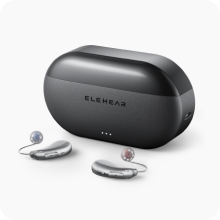
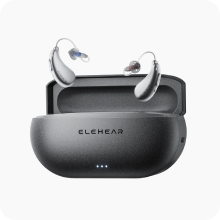
For an active routine, ELEHEAR Delight carries an IP67 rating and is resistant to moisture, sweat, and dust during everyday use. Its secure Ear-Wing design is also made to stay in place during activities such as workouts, walking, and commuting. If your day includes a gym session, a brisk walk, or plenty of time on the move, that combination adds practical protection against the sweat and everyday moisture that can come with an active lifestyle. Delight is water-resistant rather than waterproof, so it should still be removed before swimming or showering.
ELEHEAR Beyond Pro offers a level of water resistance similar to IPX5, helping it handle sweat and light splashes during everyday use. That protection is useful on warm commutes, outdoor walks, or other daily activities where perspiration or an occasional splash can happen. Beyond Pro is water-resistant rather than waterproof, so it should be kept out of pools, showers, and other situations with a high chance of water exposure.
The two models also show why water protection should be checked individually: Delight carries an IP67 rating, while Beyond Pro provides everyday resistance to sweat and light splashes at a different protection level.

Keep Water Protection in Perspective
A useful water-resistance rating gives hearing aids more flexibility in real life, especially around sweat, changing weather, and occasional splashes. Swimming places the device in a different environment. Check the rating and care instructions for your exact hearing aids, then make removing and safely storing them part of your pool, beach, or shower routine. You can stay active around water while keeping the devices ready for the conversations that follow.
FAQs
Q1. Can Humidity Affect Hearing Aids Even if They Never Get Wet?
Yes. High humidity can expose hearing aids to moisture even without rain, splashes, or direct water contact. In humid climates, keep the devices clean and dry and follow the manufacturer’s recommended storage or drying routine. Water resistance adds protection but does not eliminate moisture buildup.
Q2. Can I Wear Hearing Aids While Boating or Kayaking?
It depends on the device and how likely it is to be splashed or submerged. Boating may involve relatively little water exposure, while kayaking can include spray or an unexpected capsize. Check the exact model’s water rating and use secure, dry storage when the exposure exceeds its approved conditions.
Q3. Does a Swimming Cap Make Water-Resistant Hearing Aids Safe for Swimming?
No. A swimming cap may reduce splashes or help keep a device more secure, but it does not change the hearing aid’s water-resistance rating or approved use. If the hearing aid itself is not approved for swimming, a cap does not make underwater use safe.
Q4. Can Temperature Changes Cause Moisture Inside Hearing Aids?
Yes. Moving quickly between cold and warm environments can create condensation on or around hearing aids, similar to glasses fogging up. This moisture can occur even when you have not been near a pool or rain, so regular drying can also matter during colder weather.
Q5. Does a Hearing Aid’s IP Rating Apply to Its Charging Case Too?
Not necessarily. An IP rating applies to the specific enclosure that was rated, so the hearing aids and charging case should be checked separately. Unless the case has its own stated water-resistance specification, keep it dry and away from sinks, pool edges, and wet bags.


