




The cost of hearing aids includes more than the amount paid on day one. Over time, you may need ear domes, wax guards, batteries, replacement accessories, repairs, or optional professional adjustments. Some expenses arrive regularly, while others may only come up after months or years of use. Looking at these ownership costs early makes it easier to compare hearing aids based on your real routine and budget.
What the Initial Hearing Aid Price Usually Covers
When people ask how much do hearing aids cost, the purchase price is the starting point. Hearing aid style, technology, included accessories, professional services, and sales channels can all influence what you receive for that price.
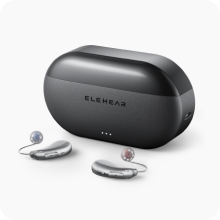
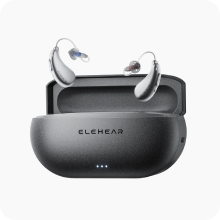
A rechargeable package may include the hearing aids, a charging case or dock, charging cable, several ear-tip sizes, cleaning tools, and starter wax guards. Prescription hearing aid packages may also include fitting appointments or follow-up services. OTC products vary more widely in how hardware, self-adjustment tools, and professional support are packaged.
The NIDCD recommends looking at warranty coverage, maintenance and repair costs alongside the purchase price when choosing hearing aids. This matters because two devices at a similar price can create different expenses once replacement parts, servicing, and everyday maintenance enters the picture.
For OTC devices, the FDA also requires shoppers to have access to practical information such as battery type and whether a mobile phone or remote device is needed to control the hearing aids. Reviewing the OTC hearing aid buying information can help you spot future equipment or compatibility needs before purchase.
Which Parts and Accessories May Need Replacement?
Several small components come into contact with earwax, skin, moisture, and daily handling every time hearing aids are worn. Keeping replacements on hand can prevent a clogged filter or worn ear tip from interrupting normal use.
Common hearing aids parts and accessories include:
- Ear domes and ear tips: Regular wear can change their shape, cleanliness, or comfort. Replacement timing varies with the material, fit, earwax buildup, and daily use.
- Wax guards: These small filters protect the receiver from earwax and debris. A blocked guard can reduce sound output and may need to be changed sooner for people who produce more earwax.
- Receivers and receiver wires: Damage or wear may eventually require replacement, especially on receiver-in-canal designs.
- Cleaning and drying accessories: Brushes, drying containers, or powered drying equipment may become part of an ongoing care routine.
- Charging accessories: A lost or damaged case, cable, or adapter can create an occasional replacement expense.

Replacement schedules vary between wearers, so the device instructions and the condition of the part are more useful than following one fixed timetable for everyone.
For example, the Beyond-series Essentials Kit contains open, closed, and tulip domes along with 32 wax guards and is designed to provide roughly three to six months of replacement supplies with typical use. Having compatible consumables available also makes routine maintenance easier when a dome becomes worn or a wax guard starts affecting sound.
Rechargeable vs. Disposable Battery Costs
Battery design can have a noticeable effect on long-term spending. Disposable-battery hearing aids require an ongoing supply of cells, while the cost of rechargeable hearing aids places more of the battery system into the original device and charger.
Disposable Batteries Create a Recurring Expense
Many hearing aids with replaceable batteries use zinc-air cells. Battery life depends on the battery size, hours of daily wear, amplification needs, wireless features, and streaming use.
Each battery may cost relatively little, but the purchases repeat throughout the life of the hearing aids. Someone who spends long days away from home may also want spare batteries at work, in a bag, or while traveling. Those small purchases become part of the annual ownership budget.
Disposable batteries can be convenient when immediate power matters. A fresh cell can be inserted without waiting for charging, which may suit some routines particularly well.
Rechargeable Hearing Aids Simplify Routine Battery Management
Rechargeable hearing aids remove the need to buy and handle individual hearing aid batteries on a regular basis. Most are placed in a charger at the end of the day, and portable charging cases can add flexibility when you are away from an outlet.
That convenience can be especially useful for people who wear their hearing aids throughout the day or find very small batteries difficult to handle. Rechargeable batteries do gradually age, so it is still worth checking how battery servicing is handled later in the device's lifespan.
As one example, ELEHEAR Beyond Pro provides up to 20 hours of hearing-aid-only use on one charge, and its portable case can provide up to four additional charges. Bluetooth calls and streaming use more power, so actual runtime can be shorter when those features are used frequently.
The better battery format depends on your routine. Consider how often you want to buy supplies, whether overnight charging fits naturally into your day, and how easy each option is for you to manage.
When Support or Fine-Tuning Adds to Ownership Cost
Professional support can be structured differently depending on how hearing aids are sold. Some prescription packages bundle fitting and follow-up care into the initial price, while many OTC hearing aids combine self-adjustment tools with different levels of remote support. Before comparing ownership costs, check which services are already included and which advanced options are available separately.
The FDA explains that self-fitting OTC hearing aids can provide greater customization through software and smartphone apps within the intended OTC category. FDA information on self-fitting OTC hearing aids can help clarify how that purchasing and adjustment model works before you decide how much professional support you may want.
Extra fine-tuning may become useful when hearing aids perform comfortably in some situations while a few specific environments remain difficult. For example, you may follow conversation well at home but continue to struggle with voices across a conference table. Describing the situation clearly gives a hearing professional more useful information for adjustment.
ELEHEAR offers more than one support path for compatible Beyond-series devices. ElePro Basic remote hearing support is available at no additional cost for eligible users and provides personalized setting recommendations after a licensed hearing professional reviews the wearer’s hearing screening results and listening needs. For people who want live, real-time professional fine-tuning, ElePro Plus adds an optional 45-minute one-on-one online session with a licensed hearing professional.

It is also useful to review warranty coverage, replacement-part availability, and service options so you know what support is available if the devices ever need attention.
How to Compare Hearing Aids by Long-Term Value
Before comparing two devices, look at the expenses and daily tasks that are likely to continue after purchase. The table below gives you a practical way to compare them.
| Cost Factor | What to Check | Why It Matters Over Time |
| Initial purchase | Devices, charger, starter accessories, included services | A more complete package may reduce immediate add-on purchases |
| Battery system | Rechargeable or disposable batteries | Disposable batteries create recurring purchases, while rechargeable models rely on regular charging |
| Replacement parts | Domes, ear tips, wax guards, receivers | Frequently replaced parts become part of routine ownership costs |
| Charging accessories | Case, cable, adapter | Lost or damaged charging equipment may need replacement |
| Professional support | Included adjustments, optional fine-tuning, remote support | Service costs vary considerably between hearing aid providers |
| Warranty and service | Coverage period, service options, repair process | Clear coverage can make future servicing easier to plan |
| Daily convenience | Charging, cleaning, controls, access to replacement parts | Easier maintenance can reduce time and friction throughout ownership |
After comparing these categories, think about which ones are most relevant to your routine. Someone who wears hearing aids all day may place more value on rechargeable convenience and readily available replacement parts. Another person may care more about access to professional fine-tuning or straightforward repair support.
Long-term value comes from the combination of purchase price, routine maintenance, support, and how easily hearing aids fit into daily life. A device that is easy to charge, maintain, adjust, and keep in regular use may provide better value than one chosen mainly for a lower upfront price.
Plan for the Costs of Daily Hearing Aid Use
Before buying, look beyond the checkout total and map out the costs that may follow. Check the battery system, replacement supplies, warranty coverage, repair options, and whether additional professional support carries a separate fee. A simple ownership budget makes the cost of hearing aids easier to compare across different models. Focus on the combination of ongoing expense, daily convenience, maintenance, and support that you can comfortably manage over several years.

Common Questions About Hearing Aid Ownership Costs
Q1. How Much Do Hearing Aids Cost Per Year After Purchase?
There is no single annual amount because ownership patterns vary. Disposable batteries create regular costs, while rechargeable devices may mainly require domes, wax guards, and occasional accessories during normal use. Repairs or optional professional services can make certain years more expensive.
Q2. Are Rechargeable Hearing Aids Cheaper to Own?
Rechargeable models can reduce recurring spending on disposable batteries. Their overall ownership cost still depends on the original device price, battery lifespan, replacement accessories, repair needs, and charging equipment. Many wearers also value the convenience of charging the devices as part of a regular nightly routine.
Q3. Are Ear Domes and Wax Guards Expensive to Replace?
They are generally routine consumable parts and usually represent a much smaller expense than the hearing aids themselves. The total depends on the specific model, replacement frequency, and how the parts are packaged. Checking accessory prices before purchase can make this recurring cost easier to plan.
Q4. Can a Lost Charging Case Increase Hearing Aid Ownership Costs?
Yes. A rechargeable hearing aid may depend on its charging case or dock, so losing or damaging that accessory can create an unexpected replacement expense. When comparing devices, check whether replacement chargers and cables are readily available and how much inconvenience a lost charger would cause.
Q5. Is Professional Support Included With OTC Hearing Aids?
It depends on the brand and support model. Some OTC hearing aids rely mainly on self-adjustment, while others include remote professional support or offer additional live fine-tuning as an option. Check what is included with the devices and whether more personalized services are available if your listening needs change.


