




Bluetooth has transformed how hearing aids function—especially in the OTC (over-the-counter) category. As smartphones, streaming, and digital communication become part of daily life, Bluetooth-enabled hearing aids offer clearer calls, easier adjustments, and seamless connection to devices. In 2026, Bluetooth is no longer a “premium-only” feature; it’s a crucial tool that enhances user experience, convenience, and overall hearing performance. For adults choosing OTC hearing aids, understanding what Bluetooth can offer—and what limitations still exist—helps set the right expectations.
[toc]
What Bluetooth Adds to OTC Hearing Aids
Bluetooth technology enables wireless communication between hearing aids and smartphones, tablets, and computers. This connectivity makes hearing aids more versatile and useful throughout the day.
Direct Streaming for Calls and Media
Bluetooth OTC hearing aids allow users to stream:
-
Phone calls
-
Video calls
-
Music and podcasts
-
YouTube and social media videos
-
GPS directions
Streaming directly to the hearing aids improves clarity significantly, especially for users who struggle with traditional phone audio.
Control Through Smartphone Apps
Bluetooth connectivity allows hearing aids to pair with companion apps for personalized adjustments. These apps typically include:
-
Volume control
-
Noise reduction options
-
Bass/treble adjustments
-
Speech focus settings
-
Custom listening presets
-
Environmental modes
This gives users far more control than physical buttons alone.
How Bluetooth Improves Speech Understanding
One of Bluetooth’s biggest benefits is improved clarity during phone calls and digital conversations.
Direct Audio Injection
Unlike speakers or earbuds, Bluetooth hearing aids send sound directly to the ear canal. This reduces distortion and eliminates competing background noise.
More Accurate Speech Delivery
Because audio is delivered through the device’s processing system, users hear clearer speech through the same noise-reduction engine that helps in real-world conversations.
Bluetooth + AI: The Most Powerful Combination
Many of the most advanced OTC hearing aids now merge Bluetooth with artificial intelligence. Together, these technologies create a more natural, adaptive listening experience.
AI-Powered Noise Handling
AI helps classify sounds—speech vs. noise—and reduces unwanted noise during streaming or in-person conversations.
Real-Time Environmental Adaptation
AI adjusts microphone direction and noise reduction automatically, ensuring stable clarity whether you’re indoors, outdoors, or in a crowd.
App-Based AI Personalization
Bluetooth apps allow users to fine-tune their sound preferences, and AI learns these patterns over time.
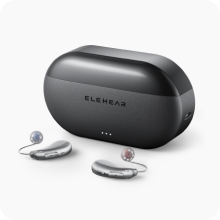
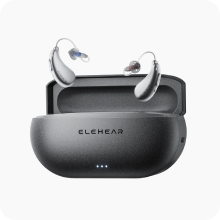
For premium OTC models like Elehear, this combination of AI processing and Bluetooth connectivity provides some of the best speech performance in the category.
What to Expect from Bluetooth OTC Hearing Aids in 2026
1. Smooth and Stable Connectivity
Bluetooth OTC hearing aids now offer stronger, more reliable connections for calls and streaming. Expect fewer dropouts, faster pairing, and better compatibility across devices.
2. High-Quality Voice and Audio Streaming
Streaming quality is significantly clearer than it was a few years ago. Users can expect crisp speech, balanced audio, and smoother transitions between streaming and environmental listening.
Music Quality Expectations
While OTC hearing aids aren't designed to replace high-end earbuds, premium models deliver respectable sound for casual listening.
3. Seamless App Integration
Bluetooth-enabled OTC hearing aids typically come with clean, user-friendly apps. Expect:
-
Easy initial setup
-
Guided self-fitting
-
Real-time adjustments
-
Personalized hearing profiles
These apps allow users to fine-tune their hearing without needing office visits.
4. Rechargeable Batteries Designed for Streaming
Because Bluetooth requires additional power, most modern OTC devices feature rechargeable batteries. Expect:
-
Full-day battery life
-
Convenient charging cases
-
Better efficiency even with continuous Bluetooth use
Premium devices tend to last longer and manage streaming more efficiently.
5. Compatibility with Modern Digital Lifestyles
Bluetooth OTC hearing aids integrate smoothly into everyday tasks:
-
Work meetings
-
Video conferences
-
Navigation while driving
-
Media consumption
-
Hands-free phone conversations
This makes them especially valuable for professionals, remote workers, and active users.
6. Some Limitations Still Apply
Even with big improvements, users should expect realistic limitations.
Bluetooth Range
Most OTC devices have a working range of about 20–30 feet.
Slight Audio Delay with Some Media
Certain devices may show minimal latency when watching videos, depending on Bluetooth protocol and codec.
Device Compatibility Differences
Streaming performance may vary between iPhone and Android due to Bluetooth standards.
Final Thoughts
Bluetooth technology has elevated OTC hearing aids into powerful, everyday hearing tools. Users can expect clear phone calls, seamless streaming, personalized app controls, and enhanced speech clarity—especially when paired with modern AI processing. In 2026, Bluetooth-enabled OTC hearing aids offer a strong combination of convenience and performance, making them one of the best choices for adults with mild to moderate hearing loss. For individuals seeking the most natural, connected, and modern hearing experience, Bluetooth OTC hearing aids—especially premium models—are absolutely worth considering.


