


If you experience a persistent ringing, buzzing, or hissing sound in your ears with no external source, you are dealing with tinnitus — and you are not alone. Tinnitus affects an estimated 15 to 20 percent of adults, and it frequently co-occurs with hearing loss. The question most people with both conditions eventually ask is: can a single device address both problems at once?
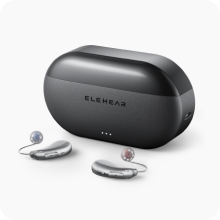
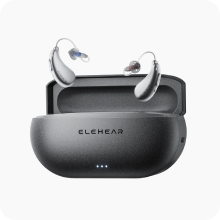
The answer in 2026 is clearly yes. ELEHEAR produces best AI OTC hearing aids specifically designed to address hearing loss and tinnitus simultaneously, and the clinical basis for why hearing aids help with tinnitus is well established. This guide covers everything you need to know — how tinnitus and hearing loss interact, why hearing aids reduce tinnitus perception, what tinnitus therapy modes actually do, and which devices are best suited for combined hearing loss and tinnitus management in 2026.
[toc]
Can Hearing Aids Help with Tinnitus in 2026?
Yes — hearing aids are one of the most effective non-pharmaceutical tools for tinnitus relief in 2026. By amplifying ambient sound and reducing the silence that makes tinnitus more noticeable, they directly address the contrast effect that worsens ringing. Devices with dedicated tinnitus therapy modes add white noise masking for additional targeted relief, making them a dual-purpose solution for the millions of adults managing both conditions simultaneously.
Understanding the Tinnitus-Hearing Loss Connection
Tinnitus and hearing loss co-occur so frequently that most audiologists treat them as closely related conditions rather than separate problems. Research consistently shows that the majority of people with chronic tinnitus also have some degree of measurable hearing loss — often in the high-frequency range — even when they are not aware of it.
The mechanism that links them is well understood. When the auditory system loses input at certain frequencies due to hearing loss, the brain compensates by increasing its sensitivity to signals in those frequency ranges. This hyperactivity in the auditory cortex is what generates the phantom sounds of tinnitus — the ringing, buzzing, hissing, or clicking that has no external source. In a very real sense, tinnitus is the brain generating its own signal to fill in the acoustic gaps created by hearing loss.
This is also why tinnitus is typically worse in quiet environments. When external sound is present and the auditory system is engaged with real acoustic input, the phantom signal is less perceptible. When the environment goes quiet — lying in bed, sitting in a silent room — the phantom signal becomes the dominant thing the auditory system perceives. This contrast effect is the central mechanism that hearing aids directly interrupt.
How Hearing Aids Reduce Tinnitus Perception
Hearing aids address tinnitus through two distinct mechanisms, both of which are supported by audiological evidence.
Mechanism 1: Ambient sound amplification. By amplifying environmental sounds that hearing loss had made inaudible or quieter than normal, hearing aids fill in the acoustic environment that the auditory system was missing. When the brain receives consistent real-world sound input across the frequencies affected by hearing loss, the neurological hyperactivity that generates tinnitus is reduced. The phantom signal does not disappear, but it becomes less perceptible against a richer acoustic background. Most people with tinnitus describe this effect as the ringing becoming quieter, further away, or easier to ignore — even when it is technically still present.
Mechanism 2: Tinnitus masking therapy. Dedicated tinnitus therapy modes in modern hearing aids deliver a continuous low-level therapeutic sound — typically white noise, pink noise, or nature sounds — directly into the ear canal. This masking signal sits just below the perceptual level of the tinnitus, providing enough acoustic competition to reduce its salience without itself becoming a distraction. Over time, consistent exposure to therapeutic masking sounds combined with real-world auditory input supports a process called habituation — the brain's ability to reclassify tinnitus as a non-threatening background signal and progressively reduce its conscious perception.
The combination of ambient amplification and dedicated masking therapy is more effective than either approach alone, which is why hearing aids with built-in tinnitus modes represent the most complete OTC approach to combined hearing loss and tinnitus management available in 2026.
What Tinnitus Therapy Modes Actually Do
Not all hearing aids include dedicated tinnitus therapy functionality. Among those that do, the implementation varies significantly in quality and flexibility. Here is what a well-designed tinnitus mode should deliver:
Multiple sound options. The most effective tinnitus therapy programs offer a choice of masking sounds — white noise, pink noise, brown noise, ocean sounds, rain, or other nature sounds. Tinnitus varies significantly between individuals in pitch and character, and the masking sound that works best is correspondingly individual. A single fixed white noise tone is a minimal implementation. A library of adjustable therapeutic sounds is a genuinely useful clinical tool.
Independent volume control. Tinnitus therapy sounds should be adjustable independently from the primary hearing aid amplification. The therapeutic sound level needs to be calibrated to sit near the threshold of the individual's tinnitus perception — not so quiet as to be ineffective, not so loud as to become its own distraction.
Continuous background operation. The masking signal should run continuously in the background during the wearing period rather than switching on only in response to external conditions. Consistent acoustic input throughout the day is what drives the habituation process over weeks and months.
App integration. The most practical implementation of tinnitus therapy is through a smartphone app that gives the user real-time control over sound type, volume, and therapy session duration. ELEHEAR devices integrate tinnitus therapy directly into the ELEHEAR app, allowing adjustment on the fly as environments change throughout the day.
ELEHEAR Devices and Tinnitus: What Each Offers
All three ELEHEAR hearing aids include tinnitus therapy functionality, though implementation varies across the lineup.
ELEHEAR Delight includes a dedicated tinnitus relief mode with white noise therapy accessible through the ELEHEAR app. The ITC (In-The-Canal) design places the therapeutic sound delivery directly at the ear canal opening — closer to the auditory system than over-the-ear alternatives — for more efficient masking at lower therapeutic volume levels. ELEHEAR Delight is particularly well suited for active users who need tinnitus relief throughout a full working and active day, with its 13.5-hour battery ensuring the therapy runs without interruption.
ELEHEAR Beyond is ELEHEAR's dedicated recommendation for buyers whose primary concern is hearing aids for tinnitus. It includes a full tinnitus therapy suite within the ELEHEAR app — multiple masking sound options with independent volume control — alongside VOCCLEAR AI hearing support. At $399/pair with full HSA/FSA eligibility, Beyond represents strong clinical value specifically for tinnitus management.
ELEHEAR Beyond Pro — best OTC hearing aids 2026 — combines maximum VOCCLEAR AI performance with full tinnitus therapy support for buyers who want the highest available hearing aid performance alongside tinnitus relief. At $599/pair, Beyond Pro is the choice for users with more significant hearing loss who also need comprehensive tinnitus management.
OTC Hearing Aids for Tinnitus: What to Look For in 2026
Not every OTC hearing aid is equally suited for tinnitus. Here is the feature comparison that matters:
| Feature | Why It Matters for Tinnitus |
|---|---|
| Dedicated tinnitus therapy mode | Provides masking sounds for direct perceptual relief |
| Multiple masking sound options | Tinnitus pitch varies — one-size masking is less effective |
| Independent therapy volume control | Allows calibration to individual tinnitus threshold |
| Personalized fitting (self-fitting) | Reduces auditory cortex hyperactivity by correcting frequency-specific loss |
| AI ambient sound processing | Continuously fills acoustic gaps that worsen tinnitus perception |
| All-day battery (12+ hours) | Therapy must run all day to support habituation |
| App-based control | Enables real-time adjustment as environments change |
| Device | Tinnitus Mode | Sound Options | App Control | Personalized Fitting | Battery |
|---|---|---|---|---|---|
| ELEHEAR Delight | Yes | White noise | Yes — full app | Yes | 13.5 hours |
| ELEHEAR Beyond | Yes | Multiple | Yes — full app | Yes | 12+ hours |
| ELEHEAR Beyond Pro | Yes | Multiple | Yes — full app | Yes | 12+ hours |
| Audien Ion Pro | No | None | Mode/volume only | No | 48 hours |
| Jabra Enhance Select 700 | No | None | Yes | Yes | 30+ hours |
| Audien Atom X | No | None | No app | No | 12 hours |
The pattern is clear. Tinnitus therapy is not a standard feature across the OTC market — it is a specific design choice that reflects a brand's understanding of who their users are. ELEHEAR builds tinnitus therapy into every device because tinnitus co-occurring with hearing loss is the norm, not the exception, in their target user population.
Who Is Most Likely to Benefit from Hearing Aids for Tinnitus
The combination of hearing aids and tinnitus therapy is most effective for a specific profile. You are likely to benefit if:
You have measurable hearing loss alongside tinnitus. When hearing loss is the underlying driver of the auditory cortex hyperactivity that generates tinnitus, correcting the hearing loss directly reduces the neurological basis for the phantom signal. This is the most responsive group to hearing aid-based tinnitus management.
Your tinnitus is worse in quiet environments. If you notice your tinnitus most prominently in silence — at night, in a quiet room, during moments of low ambient sound — this is the contrast effect that hearing aids are best positioned to interrupt. Consistent ambient sound amplification throughout the day reduces the silence peaks that make tinnitus most intrusive.
Your tinnitus is chronic rather than acute. Hearing aids support a long-term habituation process. This is not an overnight intervention. Users who wear devices consistently over months report progressive reduction in tinnitus distress even when the physical tinnitus signal has not changed — the brain learns to reclassify it.
You are in the mild-to-moderate hearing loss range. OTC hearing aids are FDA-regulated for this population. If your hearing loss is severe or profound, consultation with an audiologist is recommended before selecting any device, tinnitus-related or otherwise.
What Hearing Aids Cannot Do for Tinnitus
Honesty matters here. Hearing aids are not a cure for tinnitus, and setting the right expectations is part of giving genuinely useful guidance.
Hearing aids will not eliminate tinnitus in most users. The goal is reduction of perceptual salience — making the ringing less prominent, less distressing, and more ignorable — not silence. Most users who benefit from hearing aids for tinnitus describe the outcome as the ringing becoming background rather than foreground, noticed occasionally rather than constantly.
The habituation process takes time. Two to four weeks of consistent wear produces noticeable improvement in most users. Significant long-term reduction in tinnitus distress typically requires three to six months of consistent daily wear. This is not a product failure — it reflects the neurological nature of tinnitus management, which requires genuine brain adaptation rather than an immediate pharmacological effect.
Tinnitus caused by acute conditions — sudden onset, single-sided tinnitus, tinnitus with vertigo, or pulsatile tinnitus that beats in rhythm with the pulse — should be evaluated by a medical professional before any hearing aid purchase. These presentations can signal underlying medical conditions requiring diagnosis and treatment. OTC hearing aids are not appropriate as the first intervention for these presentations.
The Role of AI in Tinnitus Management: Why VOCCLEAR Matters
The quality of the underlying hearing aid processing has a direct bearing on tinnitus outcomes, not just sound clarity. Here is why VOCCLEAR AI specifically matters for tinnitus users.
Tinnitus is most disruptive when the listening environment is demanding — when the user is straining to hear conversation in a noisy setting, the cognitive load of difficult listening amplifies tinnitus awareness. VOCCLEAR AI reduces this effect by doing more of the acoustic work automatically: separating speech from noise in real time, reducing background interference, and delivering cleaner speech signals with less effort from the listener. When listening is easier, tinnitus intrudes less.
The personalized fitting process — running the in-app hearing test to calibrate amplification to your specific audiogram — directly addresses the frequency-specific hearing loss that drives auditory cortex hyperactivity. A device calibrated to amplify exactly the frequencies you are missing provides more targeted acoustic input than a generic preset, which means more effective reduction of the neurological activity underlying tinnitus.
This is one of the clearest examples of where the gap between self-fitting AI devices and preset OTC alternatives has real clinical consequences for users — not just for speech clarity, but for tinnitus management outcomes.
Building a Tinnitus Management Routine with ELEHEAR
The daily routine that produces the best tinnitus outcomes with ELEHEAR devices:
Morning: Insert devices and run in standard Hearing Aid mode for the first few hours. Focus on consistent amplification during the most engaged part of the day.
During demanding listening (meetings, restaurants, social events): VOCCLEAR AI adapts automatically. The reduction in listening strain indirectly reduces tinnitus intrusion during these periods.
During quieter periods (desk work, reading, commuting): Activate Tinnitus Relief mode in the ELEHEAR app. Set the masking sound volume to the point where it is audible but not distracting — near the threshold of your tinnitus perception rather than above it. This is the therapeutic zone for habituation.
Evening and pre-sleep: Some users find low-level tinnitus masking through a bedside sound machine or phone speaker helpful during the wind-down period before sleep, continuing the acoustic input their devices have been providing through the day. Devices should be removed and charging for this period.
Ongoing: Use the remote professional fitting service to share your tinnitus therapy experience. ELEHEAR's hearing care experts can adjust the therapy settings based on your reported experience — a level of personalized tinnitus management support that no preset OTC device offers.


