
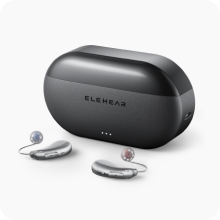
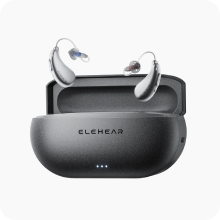


 For most adults with mild-to-moderate hearing loss, yes — OTC hearing aids are worth it in 2026. AI-powered models now deliver sound quality that rivals prescription devices at one-fifth the cost, and options like the ELEHEAR Beyond include features that were exclusive to $4,000+ clinical fittings just a few years ago.
[toc]
What Are OTC Hearing Aids?
Over-the-counter hearing aids are FDA-regulated devices that adults 18 and older can purchase directly — no audiologist appointment, no prescription, no referral. The FDA established this category in August 2022, and the market has matured significantly since then.
OTC hearing aids are intended for mild-to-moderate hearing loss. If you have severe or profound hearing loss, prescription hearing aids fitted by an audiologist remain the appropriate option.
Who Are OTC Hearing Aids Designed For?
-
Adults who notice difficulty hearing conversations in noisy settings
-
People who frequently ask others to repeat themselves
-
Anyone turning up the TV or phone volume higher than others in the room prefer
-
Adults with mild tinnitus (many OTC models include masking features)
-
First-time hearing aid users who want to try amplification before committing to a clinical fitting
The Honest Pros of OTC Hearing Aids in 2026
1. Dramatically Lower Cost
This is the most significant advantage. Here is how the numbers compare:
|
Option |
Typical Cost (Per Pair) |
|---|---|
|
Prescription hearing aids (with fitting) |
$4,000 - $7,000 |
|
Premium OTC hearing aids (AI-powered) |
$369 - $599 |
|
Basic OTC hearing aids (simple amplification) |
$99 - $250 |
The ELEHEAR Beyond, for example, includes AI-powered noise reduction, Bluetooth streaming, tinnitus relief sounds, and app-based customization for $449. A prescription device with equivalent features would typically cost five to ten times more.
2. No Appointment Required
You can order OTC hearing aids online and set them up at home in under 15 minutes. For people in rural areas, those with mobility limitations, or anyone who simply prefers not to schedule multiple clinic visits, this is a meaningful benefit.
3. AI Technology Has Closed the Performance Gap
In the early days of OTC hearing aids, sound quality lagged well behind prescription devices. That gap has narrowed substantially. AI-powered OTC models now offer:
-
Real-time speech isolation (ELEHEAR's VOCCLEAR technology, for instance)
-
Adaptive noise reduction that adjusts automatically to your environment
-
App-based hearing assessments and personalized sound profiles
-
Remote audiologist access — ELEHEAR's ElePro service connects you with a professional without an office visit
4. Risk-Free Trials
Most reputable OTC brands offer trial periods. ELEHEAR provides a 45-day risk-free trial with free shipping and a 1-year warranty, which gives you enough time to evaluate real-world performance before making a final decision.
5. HSA/FSA Eligible
Many OTC hearing aids, including all ELEHEAR models, qualify for HSA and FSA spending. This effectively reduces your out-of-pocket cost with pre-tax dollars.
The Honest Cons of OTC Hearing Aids
1. Not Suitable for Severe Hearing Loss
OTC devices are designed for mild-to-moderate loss only. If your hearing loss is severe or profound, you need prescription hearing aids with clinical fitting. There is no shortcut here.
2. Self-Fitting Requires Some Effort
Without an audiologist physically adjusting your device, you are responsible for your own setup. The quality of this experience varies by brand — some OTC aids offer little more than a volume dial, while others (like ELEHEAR) provide guided in-app hearing assessments and remote professional support.
3. Quality Varies Widely
The OTC label covers a huge range of products. Some are genuinely advanced AI-powered devices. Others are barely more than basic amplifiers marketed with misleading claims. Doing your research matters.
4. No In-Person Support (Usually)
Most OTC hearing aids are sold online. If you prefer hands-on help from a local audiologist, OTC may feel less supported — though brands like ELEHEAR bridge this gap with ElePro remote audiologist consultations.
Real Cost Comparison: OTC vs. Prescription in 2026
Beyond the sticker price, consider the total cost of ownership:
|
Cost Factor |
Prescription |
OTC (ELEHEAR Beyond) |
|---|---|---|
|
Device cost |
$4,000 - $7,000 |
$449 |
|
Fitting appointments |
$200 - $500 |
$0 (app-based) |
|
Follow-up adjustments |
$50 - $150 per visit |
$0 (remote via ElePro) |
|
Replacement (lost/damaged) |
$2,000 - $3,500 per aid |
$199.50 per aid |
|
Battery/charging |
Included |
Included |
|
3-year total estimate |
$5,000 - $8,500 |
$449 - $600 |
The math strongly favors OTC for mild-to-moderate hearing loss, especially when the AI-powered models deliver comparable day-to-day performance.
How to Tell If OTC Hearing Aids Are Right for You
Ask yourself these questions:
-
Do you have mild-to-moderate hearing loss? If you are unsure, take a free online hearing screening or use the hearing assessment built into apps like ELEHEAR's.
-
Are you comfortable using a smartphone app? The best OTC hearing aids are customized through apps. If you are not comfortable with apps, consider whether a family member can help with initial setup.
-
Is cost a barrier to getting hearing aids? If prescription pricing has prevented you from addressing your hearing loss, OTC removes that barrier.
-
Do you want to try hearing aids before committing? A 45-day risk-free trial is a low-stakes way to find out whether amplification helps your daily life.
What to Look for in an OTC Hearing Aid
Not all OTC hearing aids are created equal. Prioritize these features:
-
AI-powered sound processing — speech isolation and adaptive noise reduction, not just volume amplification
-
Bluetooth connectivity — for phone calls, music, and app control
-
Companion app with hearing assessment — personalized fitting without a clinic visit
-
Comfortable design for all-day wear — look for multiple ear tip sizes and ergonomic shapes
-
Tinnitus relief — if you experience ringing in your ears, choose a model with built-in masking sounds
-
Trial period and warranty — never buy a hearing aid without a return window
-
FDA registration — confirms the device meets federal safety and performance standards
-
HSA/FSA eligibility — reduces your effective cost
ELEHEAR: Three OTC Options for Different Needs
|
Model |
Price |
Best For |
Standout Feature |
|---|---|---|---|
|
Beyond Pro |
$599 |
Maximum clarity in noisy environments |
VOCCLEAR 2.0, +30% clearer speech, 20hr battery |
|
Beyond |
$449 |
Best overall value with tinnitus relief |
AI-powered, 20+ tinnitus sounds, Bluetooth |
|
Delight |
$369 |
Discreet, earbud-style design |
ITC form factor, ear-wings for secure fit |
All three are FDA registered, HSA/FSA eligible, and include a 45-day risk-free trial, 1-year warranty, and free shipping. ELEHEAR has been recognized by Forbes, Fast Company, and CES in 2026 and serves over 50,000 users.
Frequently Asked Questions
Are OTC hearing aids as good as prescription hearing aids?
For mild-to-moderate hearing loss, the best OTC models now perform comparably to prescription aids in everyday situations. AI-powered OTC devices like the ELEHEAR Beyond include speech isolation, adaptive noise reduction, and app-based customization — features that were prescription-exclusive until recently.
How long do OTC hearing aids last?
Quality OTC hearing aids typically last 3 to 5 years with proper care. ELEHEAR includes a 1-year warranty, and the rechargeable batteries maintain performance throughout the device's lifespan.
Can I use OTC hearing aids without a smartphone?
Technically yes — most OTC hearing aids work out of the box with default settings. However, you will get significantly better performance by using the companion app for personalized setup and ongoing adjustments.
Will my insurance cover OTC hearing aids?
Most insurance plans do not cover OTC hearing aids directly, but HSA and FSA funds can be used. ELEHEAR devices are HSA/FSA eligible, which effectively gives you a tax-advantaged discount.
What if OTC hearing aids are not enough for my hearing loss?
If you try OTC hearing aids and find they do not provide sufficient amplification, consult an audiologist for a comprehensive hearing evaluation. You may need prescription-level devices for moderate-to-severe or severe hearing loss.
The Bottom Line
OTC hearing aids are genuinely worth it for the millions of adults with mild-to-moderate hearing loss who have been priced out of — or simply put off by — the traditional prescription process. In 2026, AI-powered models like the ELEHEAR Beyond deliver real-world performance that justifies the purchase, with risk-free trials that make the decision low-stakes. At $449 with app-based fitting, remote audiologist support, and tinnitus relief included, the value proposition is difficult to argue against.


