


Quick Answer
2026 research confirms a strong association between untreated hearing loss and an increased risk of cognitive decline and dementia. Studies show that adults with untreated hearing loss are significantly more likely to experience accelerated cognitive decline, while consistent hearing aid use is linked to better cognitive outcomes, reduced social isolation, and slower dementia progression. Early identification and treatment of hearing loss are now considered key preventive strategies for brain health.
[toc]
Why Hearing Loss Is Now Considered a Cognitive Health Issue
For many years, hearing loss was viewed as an isolated sensory problem. Modern research has shifted this perspective. In 2026, hearing loss is widely recognized as a modifiable risk factor for dementia, meaning it is one of the few risks that can be addressed through intervention. This shift has major implications for aging adults, caregivers, and healthcare providers.
What 2026 Research Shows About Hearing Loss and Dementia
Large-scale longitudinal studies continue to demonstrate a consistent link between hearing loss and cognitive decline.
Key Research Findings
-
Adults with untreated hearing loss have a higher risk of dementia
-
The risk increases with the severity of hearing loss
-
Early and consistent hearing aid use is associated with slower cognitive decline
-
Social isolation and increased cognitive effort are major contributing mechanisms
Importantly, hearing loss does not directly cause dementia, but it significantly contributes to pathways that accelerate cognitive decline.
The Biological and Cognitive Mechanisms Behind the Link
1. Increased Cognitive Load
When hearing is impaired, the brain must work harder to decode speech.
Clinical Explanation
More mental resources are diverted to listening, leaving fewer resources for memory, attention, and executive function. Over time, this constant strain may contribute to cognitive exhaustion and decline.
2. Brain Structure and Sensory Deprivation
Neuroimaging studies show that reduced auditory input can lead to changes in brain structure.
What Research Shows
-
Reduced stimulation of auditory cortex
-
Reorganization of brain resources
-
Faster brain atrophy in untreated hearing loss
Hearing aids help restore auditory input, supporting healthier brain activity.
3. Social Isolation and Reduced Engagement
Hearing loss often leads to withdrawal from conversations and social activities.
Why This Matters
Social engagement is a protective factor against dementia. Reduced interaction increases the risk of depression, loneliness, and cognitive decline—all recognized dementia risk factors.
4. Depression and Mental Health Effects
Untreated hearing loss is strongly associated with depression.
Clinical Insight
Depression itself is an independent risk factor for dementia, creating a compounding effect when hearing loss is ignored.
Does Treating Hearing Loss Reduce Dementia Risk?
What the Evidence Says in 2026
While hearing aids do not cure dementia, research shows meaningful benefits.
Observed Benefits of Hearing Aid Use
-
Slower rate of cognitive decline
-
Improved memory and attention scores
-
Increased social participation
-
Reduced listening effort
-
Better quality of life
Recent studies indicate that individuals who use hearing aids consistently show cognitive trajectories closer to those of adults with normal hearing.
Why Early Intervention Is Critical
Timing matters.
Professional Consensus
-
Treating hearing loss earlier leads to better outcomes
-
Long-term untreated hearing loss increases irreversible risk
-
Even mild hearing loss should not be ignored
In 2026, professional guidelines increasingly recommend early hearing assessment and intervention as part of healthy aging strategies.
OTC Hearing Aids and Brain Health
The rise of FDA-regulated OTC hearing aids has expanded access to treatment.
Why OTC Hearing Aids Matter
-
Lower cost and easier access
-
Faster intervention
-
Suitable for mild to moderate hearing loss
-
Encourages earlier adoption
This accessibility plays a crucial role in dementia risk reduction at the population level.
The Role of AI Hearing Aids in Cognitive Support
Modern hearing aids do more than amplify sound.
How AI Helps Protect Cognitive Health
-
Improves speech understanding in noise
-
Reduces listening effort
-
Supports natural communication
-
Encourages social engagement
-
Minimizes fatigue
AI-driven hearing aids help users stay mentally engaged, which is essential for long-term brain health.
How ELEHEAR Fits Within 2026 Research Insights
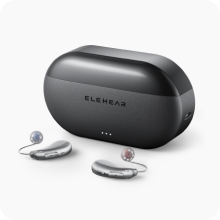
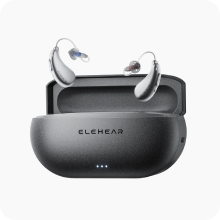
ELEHEAR hearing aids align with current research recommendations for adults with mild to moderate hearing loss.
ELEHEAR-Relevant Cognitive Benefits
-
AI-powered speech clarity reduces cognitive strain
-
Noise reduction improves conversation quality
-
Comfortable all-day wear encourages consistent use
-
Bluetooth connectivity supports social and digital interaction
From an EEAT perspective, consistent use and real-world effectiveness are key—and ELEHEAR supports both.
Who Should Take Action Based on This Research?
High-Priority Groups
-
Adults over 50
-
Individuals experiencing listening fatigue
-
People avoiding social interaction
-
Those increasing TV or phone volume
-
Adults with family history of dementia
Hearing assessment is now considered a proactive cognitive health step.
What Professionals Recommend in 2026
Evidence-Based Recommendations
-
Do not ignore mild hearing loss
-
Address hearing difficulty early
-
Use hearing aids consistently
-
Choose devices that improve clarity, not just volume
-
Prioritize comfort to ensure daily use
Hearing health is now brain health.
Final Thoughts
2026 research strongly reinforces the connection between hearing loss and dementia risk. While hearing loss is not the sole cause of dementia, it is one of the most impactful and modifiable risk factors. Untreated hearing loss increases cognitive load, social isolation, and brain changes that accelerate decline. Evidence consistently shows that hearing aid use—especially when started early—supports better cognitive outcomes, preserves social engagement, and reduces mental fatigue. Addressing hearing loss with modern AI-driven hearing aids like ELEHEAR is no longer just about hearing better; it is a critical step toward protecting long-term brain health and quality of life.


