


Lexie hearing aids became widely known for their self-fitting controls, Bose-powered models, and prices below many prescription options. However, an up-to-date review of Lexie hearing aids needs to consider more than sound quality and product features. Lexie’s parent company, LXE Hearing, has begun winding down its U.S. operations, creating concerns about app access, warranties, customer support, and replacement parts. Here is what prospective buyers and existing owners need to know.

Quick Verdict: Lexie B2 Plus vs. ELEHEAR Beyond Pro
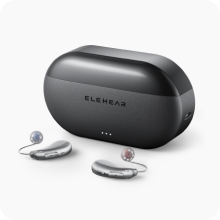
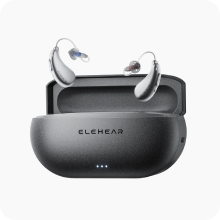
Lexie B2 Plus and ELEHEAR Beyond Pro are both rechargeable OTC hearing aids with app-based personalization, but they place their strengths in different areas. Lexie B2 Plus is known for guided self-fitting and natural own-voice performance. ELEHEAR Beyond Pro combines VOCCLEAR® 2.0 processing, calls and media streaming, remote hearing support, and strong independent lab results for speech clarity, feedback handling, and music streaming.
|
Comparison Point |
Lexie B2 Plus |
ELEHEAR Beyond Pro |
|
Wearing style |
Receiver-in-canal |
Receiver-in-canal |
|
Sound personalization |
Guided self-fitting through the app |
In-app hearing assessment, sound controls, and remote fine-tuning |
|
Independent SoundGrade |
A |
A |
|
Notable listening strengths |
Speech in quiet and own-voice naturalness |
Speech in noise, feedback handling, and music streaming |
|
Connected audio |
Calls |
Calls and media streaming |
|
Support |
U.S. transition arrangements should be checked |
Active official product and support channels |
|
May appeal to |
Buyers who prioritize guided self-fitting and own-voice comfort |
Buyers who prioritize conversations in noisy environments, connected audio, and ongoing remote support |
Are Lexie Hearing Aids Still Worth Considering in 2026?
Lexie hearing aids retain their core amplification functions, but new buyers should consider the support risks. Lexie’s parent company, LXE Hearing, has begun winding down its U.S. operations.
According to Lexie’s current transition notice, the app currently works and remains available for download, although future availability is not guaranteed. Customer service will continue through at least September 15, 2026, and warranty claims submitted by that date will be processed.
The devices may still perform as intended, but their value now depends partly on the retailer’s return policy and the future availability of support and compatible parts.
Which Models Appeared in Lexie’s Most Recent Lineup?
Before the U.S. wind-down announcement, Lexie’s latest published product comparison focused on three models: Lexie H1, Lexie B2 Plus, and Lexie B3. The table summarizes the lineup as published by Lexie. Availability and current purchase terms may differ by seller.
|
Model |
Published Price per Pair |
Wearing Style |
Self-Fitting |
Calls |
Media Streaming |
|
Lexie H1 |
$299 |
Earbud-style |
No |
Yes |
Yes |
|
Lexie B2 Plus |
$899 |
Receiver-in-canal |
Yes |
Yes |
No |
|
Lexie B3 |
$999 |
Receiver-in-canal |
Yes |
Yes |
Yes |
All three models were listed as rechargeable and customizable, with feedback, wind, and noise management. Lexie published a one-year warranty and 45-day trial for this lineup, but current purchase terms and the party responsible for honoring them may vary by seller.
Lexie H1
Lexie H1 is an earbud-style hearing aid with the lowest published price in the recent lineup. It supports calls and media streaming and provides customizable controls through the Lexie app.
However, Lexie’s comparison materials do not classify the H1 as a self-fitting model. Buyers should distinguish between manually customizing sound and completing an in-app hearing test that creates a personalized hearing profile.
The H1 may appeal to someone who prefers a familiar earbud shape and connected audio functions. Its fitting process differs from the receiver-in-canal models.
Lexie B2 Plus
Lexie B2 Plus is a rechargeable, receiver-in-canal hearing aid powered by Bose sound technology. It uses an in-app hearing test to create a hearing profile and allows adjustments to volume, treble, bass, directionality, and listening environments.
B2 Plus supports phone call streaming. Lexie’s latest comparison brochure does not list media streaming for this model.
That distinction matters. A hearing aid can connect to an app and receive calls without supporting music, videos, or other media audio.
Lexie B3
Lexie listed the B3 as the highest-priced model in its most recent comparison brochure, at $999 per pair. It combines a receiver-in-canal design with self-fitting, app controls, calls, and media streaming. Compared to B2 Plus, B3 provides a more complete connected-audio experience. Current availability may depend on remaining stock and the retailer selling it.

What Do Independent Tests Show About Lexie Sound Quality?
A hearing aid’s overall rating does not describe every part of its performance. Speech in quiet, speech in noise, feedback control, music, and own-voice comfort should be reviewed separately.
HearAdvisor gave Lexie B2 Plus an A SoundGrade in independent laboratory testing. Its strongest areas included speech clarity in quiet and own-voice naturalness.
Results were more mixed in noisy listening environments. This means someone may hear well during a quiet one-to-one conversation but have a different experience in a restaurant, family gathering, or busy public space.
This pattern is not unique to Lexie. Hearing aid performance often changes with:
- The listener’s hearing profile
- Ear dome size and seal
- Receiver wire length
- Sound settings
- Noise level and listening environment
- Distance from the speaker
- Phone and Bluetooth behavior
Lab testing helps identify measurable strengths, but it cannot predict fit, comfort, and sound preferences for every wearer. A meaningful trial should include both quiet and noisy environments.
How Easy Are the Lexie App and Bluetooth Features to Use?
Lexie’s app has been central to the experience of its self-fitting products. It guides setup, creates hearing profiles on supported models, and provides access to sound controls.
Common app functions have included:
- Volume adjustment
- Treble and bass controls
- Directionality settings
- Saved listening environments
- Battery information
- Support access
Bluetooth functions differ by model. App control, calls, media streaming, and hands-free calling are separate capabilities. A phone that successfully connects to the Lexie app may not support every audio function available on another phone or Lexie model.
Before purchasing, check the exact combination of:
- Lexie model
- Phone model
- Mobile operating system
- Required audio function
What Should Buyers Know About Fit and Replacement Parts?
A suitable ear dome and receiver wire length can help keep a receiver-in-canal hearing aid comfortable, stable, and properly positioned. A dome that is too small may feel loose or allow feedback. A dome that is too large may feel uncomfortable. Receiver wire length also affects where the hearing aid sits behind the ear and how securely the dome remains in place.
Prospective buyers should confirm access to model-specific:
- Ear domes
- Wax guards
- Receiver wires
- Chargers
- Charging cases
- Cleaning tools
Parts should not be treated as universal simply because they look similar. Measurements and connections can differ between models and brands.
What Should You Check Before Buying Remaining Lexie Inventory?
Ask the retailer:
- Is the device new, returned, refurbished, or discontinued stock?
- Does the listed price cover one device or a pair?
- What is the final return date?
- Is there a restocking or return fee?
- Who handles returns and warranty claims?
- Are replacement parts currently available?
- Is the Lexie app still downloadable on the intended phone?
- What support is available after the sale?
Obtain the return policy, warranty terms, and support responsibilities in writing, and save the receipt, serial numbers, and product listing.
Existing owners should also keep the app installed, confirm that Lexie has their current email address, and save model information before changing phones.

Make the Decision Based on Current Support
Lexie hearing aids have delivered credible sound performance and easy-to-use self-fitting features, but the wind-down in U.S. operations changes the value of buying one today. Future support certainty should now carry as much weight as sound quality and price. To explore alternatives with ongoing support, compare ELEHEAR hearing aids by wearing style, listening features, and price per pair.
FAQs
Q1. Are Lexie Hearing Aids Intended for All Levels of Hearing Loss?
No. OTC hearing aids are intended for adults aged 18 or older who perceive mild to moderate hearing loss. Sudden, severe, or one-sided hearing changes should be evaluated by a qualified hearing professional.
Q2. Can You Return Lexie Hearing Aids Purchased From a Retailer?
Return terms depend on the seller. Check the return window, condition requirements, possible fees, and whether discontinued inventory is eligible before purchasing.
Q3. Is Lexie B2 Plus the Same as a Bose Hearing Aid?
Lexie B2 Plus uses Bose sound technology, but it is sold and supported as a Lexie product. Current service and warranty questions should therefore be confirmed with Lexie or the retailer.
Q4. Does A SoundGrade Mean a Hearing Aid Will Suit Everyone?
No. Lab testing measures defined areas of sound performance, while comfort, hearing profile, phone compatibility, and everyday listening conditions still affect individual results.


