


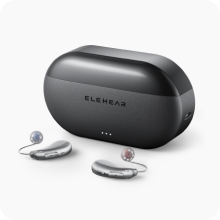
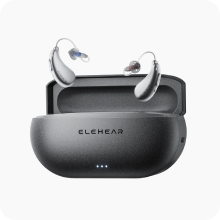


Your ELEHEAR hearing aids have arrived. You've unboxed them, charged them up, and put them in - and now you're hearing the world differently. Maybe it's a bit overwhelming. Maybe certain sounds feel louder or sharper than you expected. That's completely normal. The first 30 days with any hearing aid are a recalibration period, and how you approach them makes a significant difference in the outcome. Whether you decided to buy hearing aids online for the first time or you're upgrading from an older model, this guide walks you through exactly what to do - week by week - to get the most out of your ELEHEAR in 2026 and beyond.
[toc]
How Long Does It Take to Adjust to New Hearing Aids?
Most new hearing aid users take between 2–4 weeks to fully adjust to amplified sound. Starting with shorter wear sessions and gradually increasing daily use helps the brain re-adapt to sounds it may have been missing. With AI-powered aids like ELEHEAR, automatic environment adjustments make the adjustment period faster and more comfortable.
Why the First 30 Days Are the Most Important
Hearing aids don't just amplify sound - they retrain the brain. After years of hearing loss, the auditory cortex adapts to working with reduced input. When you reintroduce fuller sound through hearing aids, the brain needs time to reorganize how it processes what it's hearing. Audiologists call this "auditory acclimatization," and research consistently shows it follows a predictable arc over four to six weeks.
The first 30 days are where most new users either build lasting habits that serve them well for years - or give up prematurely because the initial adjustment feels uncomfortable. The good news: the discomfort is temporary, the benefits are lasting, and with the right approach, Week 4 feels dramatically better than Week 1.
This guide is organized as a week-by-week plan so you always know exactly what to focus on, what to expect, and when to push forward versus when to dial things back.
|
Week
|
Focus
|
Daily Goal
|
Milestone
|
|
Week 1
|
Comfort & Short Sessions
|
1–2 hrs/day at home
|
Ear tips fitted, basic sounds familiar
|
|
Week 2
|
Explore Environments
|
4–6 hrs/day, outdoors + social
|
Noise reduction tested, TV streaming active
|
|
Week 3
|
App Fine-Tuning
|
6–8 hrs/day, adjust programs
|
Custom sound profile saved in ELEHEAR app
|
|
Week 4
|
Full Daily Routine
|
All-day wear, all environments
|
Hearing aids feel natural and effortless
|
Week 1: Getting Comfortable - Start Slow, Build Confidence
The instinct for most new users is to put the hearing aids in and go about their day. Resist that instinct in Week 1. Your auditory system needs a gentle on-ramp, not a full-volume immersion.
What to Do in Week 1
-
Wear time: Start with 1–2 hours per day. Increase by 30–60 minutes each day if things feel comfortable.
-
Environment: Begin in quiet, familiar settings - your home, a single room. Limit complex listening environments like restaurants or group gatherings.
-
Fit first: Try each ear tip size included with your ELEHEAR. A well-fitting ear tip is the single biggest factor in sound quality and comfort. If something feels physically uncomfortable, swap the tip before adjusting any settings.
-
Download the ELEHEAR app: Set up your hearing profile on Day 1. The app's initial hearing assessment customizes your device's starting sound profile - don't skip it.
-
Charge nightly: Establish a consistent charging routine from Day 1. ELEHEAR's rechargeable batteries provide all-day power; overnight charging ensures you start each day at full capacity.
What to Expect in Week 1
Sounds you haven't heard clearly in years will suddenly be audible again - your own voice, keyboard clicks, running water, birdsong. This can feel surprising or even jarring. That's your brain re-registering sounds it had learned to filter out. It's a sign the hearing aids are working, not a sign something is wrong.
Some people experience a sensation of "fullness" in the ear, particularly with in-ear or receiver-in-canal styles. This typically fades within the first week as you adjust to the physical presence of the device. If it persists beyond Week 1, contact ELEHEAR's support team to explore alternative ear tip sizes or styles.
Week 2: Exploring Environments - Noise, Conversation & TV
By Week 2, wearing your ELEHEAR at home should start to feel natural. This is when you begin expanding your listening environments - deliberately and progressively - to build your brain's ability to process sound in more complex situations.
What to Do in Week 2
-
Increase wear time: Target 4–6 hours per day. Aim to wear them for entire activities - a meal, a TV session, a walk - rather than isolated minutes.
-
Test VOCCLEAR® in real situations: Have a conversation in a room with background noise (radio or TV on in the background). Notice how ELEHEAR's AI isolates speech. This is VOCCLEAR® doing its job.
-
Connect to your TV: Pair your ELEHEAR via Bluetooth to your television and experience audio streaming directly into your ears. Many users report this as one of the most immediately impactful benefits.
-
Try a phone call: Take or make a phone call with your hearing aids in. Bluetooth streaming from your smartphone delivers call audio directly - no speakerphone required.
-
Introduce one social environment: A small family gathering, a café visit, or a quiet restaurant. Don't push into very loud, high-complexity settings yet - that comes in Week 3.
What to Expect in Week 2
Some sounds may still seem unexpectedly loud - traffic, kitchen sounds, your own footsteps. This is normal. Your brain is recalibrating its sense of what "normal" volume sounds like. By the end of Week 2, most users report that these sounds have begun to normalize.
If specific sounds remain consistently too harsh, use the ELEHEAR app to gently lower the gain in the high-frequency range. Small adjustments of 1–2 dB at a time are all that's needed - avoid the temptation to make large changes.
Week 3: Fine-Tuning With the ELEHEAR App
Week 3 is where your ELEHEAR truly becomes yours. By now you have two weeks of real-world listening experience to draw from - you know which environments feel great and which ones still feel challenging. The ELEHEAR app is the tool for translating that experience into a personalized sound profile.
What to Do in Week 3
-
Set environment programs: Use the app to create named listening programs for your most common environments - "Home," "Restaurant," "Outdoors." ELEHEAR can switch between these automatically or manually based on your preference.
-
Adjust directional focus: If conversations in noisy environments are still challenging, experiment with the directional microphone settings in the app. Focusing the microphone forward can dramatically improve speech clarity when facing a speaker.
-
Try tinnitus masking: If you experience ringing in the ears, activate the tinnitus masking feature in the ELEHEAR app. This introduces a gentle background tone that reduces the perceptual contrast between tinnitus and silence.
-
Test challenging environments: Week 3 is the right time to try busier restaurants, supermarkets, or work meetings. These are the real-world tests that tell you whether your current settings are dialed in.
-
Re-run the in-app hearing check: A second pass through the app's hearing assessment after two weeks of wear often reveals refinements that can improve your baseline sound profile.
What to Expect in Week 3
Most users hit a notable milestone in Week 3: the hearing aids start to feel less like a device and more like a natural part of how they hear. The cognitive effort required to follow conversations in noise begins to decrease - a sign that auditory acclimatization is well underway.
If you haven't already, this is also a good week to explore the Elehear Beyond Pro reviews from other users - hearing what they discovered in their first month can spark ideas for settings or use cases you haven't tried yet.
Week 4: Making Hearing Aids Part of Your Daily Routine
By Week 4, the goal is simple: hearing aids in, every day, all day. At this stage, the adjustment period is largely complete. Your brain has recalibrated, your settings are personalized, and wearing your ELEHEAR should feel as routine as putting on glasses or a watch.
What to Do in Week 4
-
All-day wear: Target full waking hours. The more consistently you wear your hearing aids, the more the brain reinforces its new sound-processing pathways.
-
Stress-test your settings: Seek out the listening situations that used to be most challenging - busy restaurants, group conversations, phone calls in noisy settings - and evaluate how well your current setup handles them.
-
Maintain your devices: Establish a weekly cleaning routine. Use the cleaning tools included with your ELEHEAR to gently clear ear tips and microphone ports. Wax buildup is the most common cause of reduced performance.
-
Reflect on your experience: Think about what still feels challenging. If certain environments consistently remain difficult despite app adjustments, ELEHEAR's customer support team can provide guidance - including whether a program tweak or a device upgrade might help.
What to Expect in Week 4
Week 4 is typically when users stop noticing their hearing aids and start noticing their hearing. Conversations that used to require effort feel lighter. Social situations that used to be exhausting feel manageable. Sounds that used to slip past you are back in your world.
This is the moment the investment pays off. Hold onto it - because it's a reminder of why you made the decision in the first place.
Tips to Get the Most Out of Your ELEHEAR in 2026
Beyond the four-week framework, here are the tips that consistently separate users who thrive with their hearing aids from those who struggle:
|
1
|
Never force through pain or discomfort
Physical discomfort - soreness, pressure, or skin irritation - is always worth addressing, not pushing through. It almost always comes down to ear tip size or style. ELEHEAR includes multiple tip options; try them all before concluding there's a fit problem.
|
|
2
|
Use Bluetooth for everything you can
The difference between hearing a TV show through a room speaker and streaming it directly into your ears is transformative. Same for phone calls. Bluetooth is one of the most impactful features in modern OTC hearing aids - use it early and often.
|
|
3
|
Keep a simple journal for the first two weeks
A few sentences per day about what worked, what didn't, and what environments felt challenging gives you concrete data for your app adjustments. It also reveals how quickly things improve - which is motivating.
|
|
4
|
Don't compare Day 3 to Day 30
The first week is almost always the most uncomfortable. Users who push through the first two weeks consistently report that their experience transformed by Week 3 and 4. Give the process the time it needs.
|
|
5
|
Explore the full ELEHEAR range as your needs evolve
Your hearing needs may change over time. If you started with the ELEHEAR Beyond and find yourself wanting more advanced AI performance, the Beyond Pro offers enhanced processing power. And if you have an active lifestyle, the upcoming ELEHEAR Delight - available for pre-order - brings an earbud-inspired design built for movement.
|
Speaking of active lifestyles - if you're someone who runs, cycles, or just lives life on the move, keep an eye on the ELEHEAR Delight pre-order. Designed with ergonomic ear-wings and a sleek earbud-style form factor, it's ELEHEAR's answer to hearing aids built for 2026's active generation.
And if you know someone else in that early research phase - comparing options, weighing costs, wondering if OTC is really the right call - the affordable hearing aids in the Beyond lineup start at $399/pair and include everything a first-time user needs to get started with confidence.
FAQs: First-Time ELEHEAR User Questions
What if my ELEHEAR hearing aids feel uncomfortable at first?
Some physical adjustment is normal in the first few days, especially if you've never worn in-ear devices before. Start by trying different ear tip sizes - ELEHEAR includes a range - until you find the one that sits comfortably without pressure. If discomfort persists beyond the first week, contact ELEHEAR's customer support team. Never force a fit that causes pain.
How do I know if my hearing aid settings are correct?
The clearest indicator is how conversations feel in your most common listening environments. If speech sounds clear and natural without feeling strained or too loud, your settings are working. If specific situations consistently feel difficult, use the ELEHEAR app to make small adjustments - or re-run the in-app hearing assessment for an updated baseline profile.
Can I sleep with my ELEHEAR hearing aids in?
It's not recommended. Wearing hearing aids while sleeping can cause physical discomfort, reduce device lifespan through sweat and moisture exposure, and prevent the nightly charging cycle your device needs. Remove your ELEHEAR each night, place them in the charging case, and start each day with a fully charged device.
How do I clean my ELEHEAR hearing aids?
Daily: wipe the body of the device with a dry, soft cloth. Weekly: use the cleaning brush included with your ELEHEAR to gently clear the microphone ports and receiver opening. Monthly: remove and inspect ear tips for wax buildup; replace them if they're discolored or degraded. Never use water, alcohol, or cleaning sprays directly on the device.
What should I do if I can't hear clearly even with my ELEHEAR in?
First, check the basics: are the devices charged? Are the ear tips clean and properly seated? Are you in the right listening program for your environment? If all of those check out, open the ELEHEAR app and re-run the hearing profile assessment - your initial settings may need refinement after a few weeks of real-world use. If clarity issues persist, ELEHEAR's support team can troubleshoot remotely.
How is the ELEHEAR experience different from prescription hearing aids I've had before?
The most notable difference for most switchers is the self-fitting process. Rather than returning to a clinic for adjustments, you make changes through the app at home - which many users find faster, more convenient, and more responsive to their day-to-day needs. ELEHEAR's AI-powered processing means the device also adapts automatically to changing environments, reducing the manual adjustments required compared to older prescription models.
Your Hearing Journey Starts in the First 30 Days - Make Them Count
The first month sets the tone for everything that follows. Users who approach their first 30 days with patience, curiosity, and a willingness to gradually expand their listening environments consistently report far better long-term outcomes than those who go all-in on Day 1 or give up after an uncomfortable first week.
ELEHEAR is built to reward that patient, progressive approach. The combination of VOCCLEAR® AI technology, app-based personalization, and a support team that's there when you need them means you have everything in place for a successful first month - and many years of better hearing to follow.
If you're not yet an ELEHEAR customer but you're researching what the first 30 days look like before committing, that's exactly the right instinct. Take the free online hearing test first, explore the product range, and make your decision with complete confidence.
|
Not yet an ELEHEAR customer? Take our free online hearing test and find your perfect match.
|


