




Yes, you can. The key is giving the devices enough room so the hat does not press, shift, or repeatedly rub against them. A loose beanie, baseball cap, or sun hat may work comfortably with a few small adjustments. Tighter styles and hats that cover the ears usually need more attention to fit and placement.
Why Some Hats Interfere With Behind-the-Ear Hearing Aids
A traditional BTE hearing aid places the main device behind the ear, while a receiver-in-canal, or RIC, model also rests behind the ear but connects to a receiver inside the canal with a thin wire. ASHA's overview of hearing aid styles explains this difference, which matters when deciding how much room a hat needs around the ear.
Because part of both designs occupies the space behind the ear, a low or tight hat can press against the housing, receiver wire, or tubing. Fabric that repeatedly brushes the device may also create noticeable rubbing or rustling sounds. If the pressure shifts the hearing aid from its usual position, the fit can start to feel less secure or comfortable.
The hat itself may fit perfectly well while standing still, then become more noticeable when you turn your head, walk, or pull the brim down. That is why it helps to judge the combination during normal movement rather than checking the fit only in front of a mirror.
Fit also varies between people. Ear shape, the size of the hearing aid, receiver-wire length, dome or earmold fit, glasses, and the cut of the hat can all affect how much room is available. If the device already feels crowded behind your ear, our article on hearing aid fit and comfort explains how device style and fit work together.
Which Hat Styles Leave More Room Around Your Ears?
You do not need a special hearing-aid hat. Start with the hats you already like and pay attention to how much pressure they place around the top and back of your ears. Some styles naturally leave more space than others.
Loose Beanies
A soft, stretchy beanie can work well when it sits loosely around the ears. Look for enough room that the fabric rests over the device without pulling it forward or pressing it firmly against your head.
The lower edge matters most. A tight folded cuff may land directly over the hearing aid housing, while a softer or looser edge can reduce contact. If you like to cover your ears completely in cold weather, try the hat at home first and move your head from side to side to check for pressure or rubbing sounds.

Baseball Caps and Visors
Baseball caps are often easier to pair with BTE or RIC hearing aids because most of the hat stays above the ears. The cap should sit securely without pushing its lower edge down onto the hearing aids.
Fit can still vary. A very low crown, tight adjustment, or thick side panel may touch the top of the device. Visors usually leave even more space around the ears, making them convenient for walking, golf, gardening, and other warm-weather activities.
Bucket Hats and Wide-Brim Sun Hats
Bucket hats and sun hats can also leave good clearance around the ears when the crown fits comfortably. Pay attention to chin straps, decorative cords, or a stiff brim that sits unusually low, since these can brush the hearing aids as you move.
Hats with built-in ear flaps or very tight winter headbands deserve a little more testing. They place fabric directly over the area occupied by behind the ear BTE hearing aids, so comfort depends heavily on how much room the material provides.
How to Put On and Remove a Hat Without Moving Your Devices
A simple order makes hats much easier to manage with hearing aids. Put the hearing aids on first so you can confirm that each device is sitting in its normal position before adding another layer around your ears.
Try this routine:
- Insert and position your hearing aids first. Make sure the dome or earmold feels secure and the device rests comfortably behind the ear.
- Open the hat with both hands. For a beanie, gently stretch the opening before lowering it over your head. This reduces the chance of catching the hearing aid.
- Lower the hat into position slowly. Avoid dragging a tight edge directly across the device.
- Check both ears once the hat is on. Lightly feel behind each ear to confirm the hearing aid has stayed in place and that no fabric is pressing heavily against it.
- Lift the hat away when removing it. Pulling a beanie or close-fitting hat sharply backward can catch the device or receiver wire, so give the hearing aids some clearance as the hat comes off.
After you put the hat on, listen for a few moments before heading out. Talk to someone, turn your head, and walk around the room. If everything feels and sounds normal during movement, the combination is likely much easier to manage through the rest of the day.
For winter hats, you may also want to check the fit again after wearing the hat for a while. Small amounts of pressure that seem insignificant at first can become uncomfortable after an hour or two.
What to Do About Rubbing or Rustling Sounds
Rustling usually starts when hat fabric, hair, or another object repeatedly touches the hearing aid. A little troubleshooting can often identify the contact point quickly.
Start with a few simple checks:
- Move the edge of the hat slightly. Raising a cuff or shifting the hat a small amount may stop fabric from touching the hearing aid.
- Check the area around the microphone openings. Keep fabric from sitting tightly against the device where sound enters.
- Smooth hair away from the device. Hair trapped between a hat and hearing aid can create additional movement and rubbing.
- Check the hearing aid position. Make sure the housing has not been pushed forward and the receiver wire or tubing is still sitting naturally.
- Check the dome or earmold. If the hat has shifted the device, reseating the earpiece may restore a comfortable fit.
If you hear whistling after putting on a hat, remove the hat and see whether the sound stops. Then check that the hearing aid and earpiece are seated normally before trying the hat again. Persistent changes in sound that continue without the hat deserve a closer look at fit, wax guards, domes, or device settings.
Repeated pressure is another sign to change the hat-device combination. A hearing aid should remain comfortable enough for normal daily wear. Choosing a roomier hat usually makes more sense than spending the day repeatedly pushing the device back into position.

When an In-Ear Style May Feel More Convenient
The physical layout of different hearing aid styles changes how they interact with hats. The NIDCD description of hearing aid styles shows that BTE devices place their main electronics behind the ear, while in-the-ear and in-the-canal designs keep more or all of the device within the outer ear or ear canal.
An in-ear option can therefore be convenient for someone who regularly wears close-fitting hats, winter headwear, or other accessories around the ears. With no main hearing aid housing sitting behind the ear, there is less hardware competing for that space.
That does not make an in-ear style the automatic choice for every hat wearer. Your hearing needs, ear shape, comfort, handling preferences, sound requirements, and secure fit still matter when choosing a form factor.
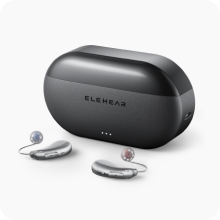
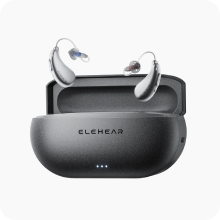
ELEHEAR Beyond Pro uses the RIC format, keeping the main device behind the ear with the receiver in the canal. This type of design can work comfortably with many hats when the hat leaves enough clearance around the ear. The Beyond series is positioned as the performance line for more demanding listening environments.
For people who prefer to keep the space behind the ear open, ELEHEAR Delight uses a compact ITC, earbud-style design with an ear-wing system for a secure fit. That form factor can simplify hat wearing because the device sits inside the ear rather than resting behind it. The choice ultimately comes down to which shape works best with your ears, listening needs, and everyday routine.
Keep Your Favorite Hats in the Rotation
Wearing hearing aids does not require giving up beanies, baseball caps, or sun hats. Give the devices enough room, put your hearing aids on before the hat, and check for pressure or rubbing before you head out. If one hat constantly pushes your devices out of place, try a roomier style or consider whether another hearing aid form factor better suits the way you dress and spend your day. The most useful setup is one you can wear comfortably without having to think about it every few minutes.
Common Questions About Wearing Hats With Hearing Aids
Q1. Can You Wear a Beanie With Behind-the-Ear Hearing Aids?
Yes. A soft beanie can work comfortably with behind-the-ear hearing aids when it leaves enough space around the devices. Choose a fit that does not press firmly against the housing, and check for rubbing sounds after you put it on and move your head.
Q2. Can a Hat Make Hearing Aids Whistle?
A hat can sometimes contribute to whistling if it presses on the device or shifts the earpiece from its normal position. Remove the hat, reseat the hearing aid and dome or earmold, and then try the hat again with less pressure around the ear. If the whistling continues without the hat, the device or fit may need further checking.
Q3. Should I Put My Hearing Aids On Before My Hat?
Putting the hearing aids on first usually makes the process easier because you can confirm their position before adding the hat. Lower the hat gently around the devices, then feel behind each ear to make sure nothing moved. When removing the hat, lift it away carefully so the edge does not catch the hearing aids.
Q4. What Type of Hat Works Best With BTE Hearing Aids?
Hats that leave some room around the top and back of the ears are usually easier to manage. Baseball caps, visors, loose beanies, bucket hats, and many sun hats can work well. The exact fit matters more than the category, so try the hat with your hearing aids and check comfort while moving.
Q5. Are In-Ear Hearing Aids Easier to Wear With Hats?
They can be more convenient when your favorite hats sit close to the area behind your ears. In-ear styles leave that space more open, which reduces direct contact between the hat and the hearing aid housing. Your hearing needs, ear anatomy, secure fit, and everyday handling should still guide the final style choice.


