




Rechargeable hearing aids can provide around 14–20 hours of daily use, depending on how much you use Bluetooth calls and streaming. Hearing-aid-only use generally consumes less power, while wireless features increase battery demand throughout the day. Your actual hearing aid battery life also depends on wearing time and charging habits.
How Long Rechargeable Hearing Aids Usually Last
There is no single daily runtime for every rechargeable hearing aid. Battery capacity, device size, sound processing, wireless features, and individual use all influence the result.
For everyday planning, think about how long you normally wear your hearing aids rather than looking only for the largest battery number. Someone who puts them on at 8 a.m. and removes them at 9 p.m. has a different requirement from someone who wears them from early morning until late at night.
Your listening habits matter just as much. Hearing aids used primarily for conversations and environmental listening may run longer than the same devices used for several hours of streaming.
A typical day might look like this:
|
Daily Use |
Likely Battery Demand |
|
Regular hearing support with little streaming |
Lower |
|
Occasional calls and short music sessions |
Moderate |
|
Frequent calls, podcasts, or music streaming |
Higher |
|
Long wearing hours plus frequent Bluetooth use |
Highest |
The useful question is whether the hearing aids can comfortably cover your normal day with your normal features turned on. A battery specification measured under lighter use may not represent a day filled with calls and streaming.

What Affects Hearing Aid Battery Life
Several parts of your routine can change hearing aid battery life from one day to the next.
- Daily wearing time. Wearing hearing aids for 15 hours naturally uses more power than wearing them for eight.
- Bluetooth streaming. Sending calls, music, podcasts, or other phone audio directly to the hearing aids increases wireless activity and can shorten runtime.
- Phone calls. Frequent or long calls can add significant Bluetooth use over the course of a day.
- Sound processing. Hearing aids continuously capture and process the sounds around you. The exact power demand depends on the device and the features operating in the background.
- Battery condition. Rechargeable batteries gradually change with long-term use. If a device that previously lasted through the day begins running low much earlier under the same routine, battery condition may be worth checking.
- Charging consistency. Starting the morning with a partial charge makes it much easier to run short later, especially on days with heavier wireless use.
- Temperature and storage conditions. Extreme heat or cold can affect rechargeable electronics. Store and charge hearing aids under the conditions recommended for your model.
A single unusually busy day does not necessarily tell you much about the battery. Compare several normal days and pay attention to what you were doing when the charge dropped faster.
How Bluetooth Features Change Battery Usage
Bluetooth gives modern hearing aids a second role beyond everyday hearing support. They can receive calls, music, videos, podcasts, and other audio directly from a smartphone.
That convenience requires additional power.
During normal hearing-aid use, the devices are already processing sounds captured by their microphones. Streaming keeps the wireless connection active while continuously receiving and processing audio from another device. Longer streaming sessions therefore tend to reduce runtime.
The difference becomes easier to notice on a phone-heavy day. A few short calls may have little effect on your routine, while several hours of music, meetings, or podcasts can leave less battery by evening.
This is why Bluetooth battery performance should be evaluated around actual habits.
Consider how often you:
- Take phone calls through your hearing aids
- Stream music or podcasts
- Watch videos on your phone or tablet
- Use navigation audio while travelling
- Attend long online meetings
- Keep wireless features active throughout the day
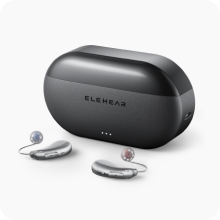
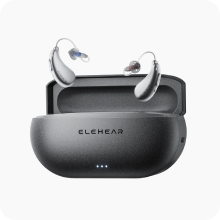
The ELEHEAR Beyond Pro, for example, provides up to 20 hours of use per charge in hearing-aid mode only. With Bluetooth use, it provides up to 15 hours of pure Bluetooth streaming or up to 18 hours with Bluetooth streaming and calls. Its charging case provides up to 4 additional charges, and a 15-minute quick charge can provide up to 6 hours of pure Bluetooth streaming.
Comparing hearing-aid-only and Bluetooth runtime gives a clearer picture of how a device may perform during your daily routine, especially if you regularly use phone calls, music, or other streamed audio.

Daily Charging Habits for Reliable Use
A simple charging routine makes daily battery life much easier to manage. The goal is to start each day with enough power for the way you actually use your hearing aids.
- Charge overnight or during your longest regular break. A predictable routine reduces the chance of beginning the day with a partial battery.
- Check that the hearing aids are seated correctly. Make sure each device is properly positioned in the charging case and that charging has started.
- Keep charging contacts clean and dry. Moisture or debris around the contacts can interfere with reliable charging.
- Keep the charging case powered. A portable case is most useful away from home when it also has enough charge available.
- Use short top-ups when your model supports fast charging. A quick charge during lunch, a shower, or another break can add useful runtime before an evening event.
- Watch your routine rather than the percentage alone. If the hearing aids regularly finish the day with plenty of power, your current charging pattern is working. If they repeatedly run low during the same part of the day, look at both charging and feature use.
Travel days deserve extra attention because longer wearing hours, navigation, calls, and streaming may all happen together. Charging the case before leaving gives you another option when an outlet is unavailable.
What to Look for in Rechargeable Hearing Devices
Battery life should fit into the wider way you plan to use your hearing aids. When comparing rechargeable hearing devices, consider these practical factors together.
- Runtime under your common use. Look beyond the maximum number and check whether the manufacturer provides information about Bluetooth or streaming use. This matters if calls and media are part of your everyday routine.
- Charging time. A shorter full-charge time makes it easier to recover from a forgotten overnight charge.
- Fast charging. A useful quick-charge feature can provide several additional hours without waiting for a complete charging cycle.
- Portable charging. A case with its own battery can extend use during travel, weekends away, and long days outside the home.
- Bluetooth support. Check whether the hearing aids support the smartphone activities you actually need, including calls and media streaming.
- App controls. Smartphone adjustment can make it easier to manage volume, listening settings, and other supported functions without repeatedly handling the devices.
- Comfort for long wear. A large battery specification matters less if the hearing aids become uncomfortable halfway through the day. Fit and battery endurance need to support the same wearing schedule.
- Your overall value. When comparing Bluetooth hearing aids, cost is only one part of the decision. Battery runtime, charging case capacity, streaming support, app controls, fit, and available support all affect what you receive for that price.
A strong daily setup should require little battery management. You should be able to put the hearing aids on, go through your normal activities, and know when they will need charging without constantly watching the battery level.
Choose Battery Life Around Your Real Day
Rechargeable hearing aids can support long daily wear, but the most useful battery number is the one that reflects your routine. Consider how many hours you wear them, how much Bluetooth audio you stream, and whether you have access to fast or portable charging. A model that comfortably covers conversations, calls, commuting, and evening activities gives you more freedom to focus on listening instead of battery management.

FAQs
Q1. Should I Charge Rechargeable Hearing Aids Every Night?
Daily charging is a convenient routine for many people because it helps you start the next morning with a full battery. Follow the charging instructions for your specific model and make sure the devices are correctly seated in the case.
Q2. Does Bluetooth Drain Hearing Aid Batteries Faster?
Yes. Streaming calls, music, podcasts, and other phone audio generally uses more power than hearing-aid-only operation. The effect depends on how long and how frequently you stream throughout the day.
Q3. Why Does My Hearing Aid Battery Last Longer on Some Days?
Your activities may be different. A quiet day with limited phone use can require less power than a day filled with Bluetooth calls, streaming, and longer wearing hours. Compare similar days before deciding that battery performance has changed.
Q4. What Should I Do if My Rechargeable Hearing Aids No Longer Last All Day?
First confirm that the hearing aids are receiving a full charge and review whether your Bluetooth use or wearing time has increased. Clean and dry the charging contacts as recommended for your device. If runtime continues to decline under the same routine, contact the manufacturer or hearing support provider to have the battery or device checked.
Q5. Is a Charging Case Important for Rechargeable Hearing Aids?
A portable charging case can be especially useful for travel and long days away from an outlet. It gives you another way to recharge during breaks and reduces your dependence on a wall charger during daily use.


