


What Should Be in a Hearing Aid Survival Kit?
A hearing aid survival kit should include a portable charger or spare batteries, a cleaning brush and wax loop, a drying kit or dehumidifier, a protective carrying case, spare domes and wax guards, and retention clips for active use. Together, these accessories protect your investment, maintain sound quality, and ensure your devices work reliably in any situation — whether you are at home, traveling, or in the middle of a long day.
[toc]
Getting hearing aids is a significant step. Keeping them performing at their best over months and years requires a small but specific set of accessories that most new users do not think about until something goes wrong.
A dead battery in the middle of a dinner. A blocked wax guard that reduces sound quality to a muffle. Moisture damage from wearing devices during exercise on a humid day. All of these are common, preventable, and easily managed with the right preparation.
This is your complete guide to building a hearing aid survival kit — the accessories that matter, why they matter, and what to prioritize if you are starting from scratch. ELEHEAR's best AI OTC hearing aids are designed for daily, active use — and the right accessories ensure they stay that way.
1. Power: Batteries and Portable Charging
Power is the most fundamental element of any survival kit. A hearing aid that has run out of power is a hearing aid that is not helping anyone.
For Rechargeable Hearing Aids
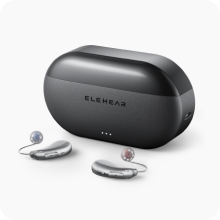
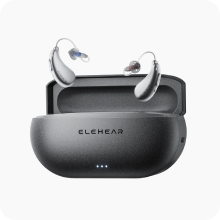
ELEHEAR Beyond and Beyond Pro use built-in rechargeable batteries. Under normal use, a full charge provides approximately 18 hours of use — enough for a full day with a comfortable margin. The included charging case handles overnight charging.
The critical accessory for rechargeable users is a portable charging case or power bank. For travel, long days away from home, or any situation where you cannot guarantee access to a wall outlet, a portable charger keeps your devices running. Many ELEHEAR users keep a small power bank in their bag alongside the charging case for exactly this reason.
Practical tip: Charge your hearing aids every night regardless of remaining battery level. This keeps the battery chemistry stable and ensures you start every day at full capacity.
For Disposable Battery Hearing Aids
If you use a device that takes zinc-air batteries, keep a minimum of two spare packs in your kit at all times. Zinc-air batteries activate when the tab is pulled — once activated, they drain within 5-7 days regardless of use, so do not pull tabs until you need them.
Store spare batteries at room temperature. Cold storage (a common recommendation from older guides) is no longer recommended for modern zinc-air cells. Check expiry dates when restocking.
2. Cleaning Tools: The Non-Negotiable Daily Habit
Earwax is the number one cause of reduced sound quality and premature device failure in hearing aids. It is also entirely manageable with a ten-minute weekly cleaning routine and the right tools.
Cleaning Brush and Wax Loop
A soft-bristled cleaning brush removes debris from the microphone ports and speaker outlet — the two areas where buildup causes the most harm. The wax loop (a small wire pick on the reverse end of most cleaning brushes) removes accumulated wax from the dome and speaker without damaging the mesh.
Clean the exterior of your devices daily with the brush. A gentle wipe with a dry, lint-free cloth before placing them in the charging case each night takes 30 seconds and significantly extends device life.
Wax Guards
Wax guards — also called wax traps or filters — are small mesh barriers that sit inside the receiver tip, preventing earwax from entering the speaker. They are the most commonly replaced consumable component of any BTE hearing aid.
ELEHEAR includes wax guards with its devices and replacement packs are available through the accessories page. A blocked wax guard is the most common cause of the complaint "my hearing aid stopped working" — and replacing one takes under a minute.
How often to replace: Check weekly. Replace when you see visible wax accumulation or when sound quality drops noticeably. Most regular users replace wax guards every two to four weeks.
3. Moisture Control: Drying Kit or Dehumidifier
Electronics and moisture are a difficult combination. Sweat from exercise, humidity from bathrooms and kitchens, rain, and the natural moisture of the ear canal all introduce water vapor into hearing aid components over time.
A drying kit or electronic dehumidifier removes this accumulated moisture overnight. The simplest versions use silica gel packets in a sealed container — the hearing aids sit on the gel while charging or resting, and moisture is absorbed. Electronic dehumidifiers add gentle heat to accelerate the process.
This is not optional for users who exercise, live in humid climates, or wear their devices for 12+ hours daily. Moisture damage to the receiver — the most expensive component to replace — is largely preventable with nightly drying.
ELEHEAR recommendation: Place devices in the drying kit on nights when you have been more physically active than usual, or if you notice any crackling or distortion in sound quality (an early sign of moisture ingress).
4. Spare Domes and Ear Tips
The dome is the small silicone tip that sits in the ear canal and delivers sound from the receiver. It is also the component most directly affected by daily wear — it accumulates earwax, occasionally tears, and needs periodic replacement to maintain both sound quality and comfort.
ELEHEAR Beyond devices include a selection of dome sizes. Keeping at least two spare sets of your correct dome size in your kit means you can replace them immediately when needed rather than waiting for a shipment.
Signs it is time to replace the dome:
- Visible earwax accumulation that does not clean off
- Sound quality has reduced or become muffled (after confirming the wax guard is clear)
- Dome has developed a tear or deformation
- Comfort has changed — domes soften with wear over time
For most regular users, domes should be replaced every two to four weeks. ELEHEAR's accessories page carries replacement domes compatible with Beyond and Beyond Pro devices.
5. Protective Carrying Case
Your hearing aids represent a significant investment in your quality of life. When they are not in your ears, they should be in a case.
A sturdy carrying case protects against the two most common non-electronic causes of device failure: physical impact and being lost. A hearing aid knocked off a bathroom counter onto a tile floor, or a device that slips out of a pocket, is the kind of accident a case prevents.
ELEHEAR Beyond's charging case doubles as a carrying case — the devices are protected and charging simultaneously. For users who want a secondary case for travel, a small hard-shell case sized for hearing aids is widely available and worth adding to the kit.
6. Retention Clips and Lanyards
Retention clips attach the hearing aid to clothing, preventing it from falling if it becomes dislodged during physical activity. They are particularly useful for:
- Exercise and outdoor activities
- Working in environments where leaning forward repeatedly is common
- Users who remove their devices frequently throughout the day and want to keep them close
Retention clips are a minor addition to a survival kit but one that prevents the specific and very unpleasant experience of losing a hearing aid in an outdoor environment.
7. Smartphone and Connectivity Accessories
Modern hearing aids are Bluetooth audio devices as much as they are hearing aids. ELEHEAR Beyond and Beyond Pro connect directly to smartphones for audio streaming and app control — and a few connectivity accessories maximize this capability.
Remote microphone — For users who regularly attend lectures, meetings, or events where the speaker is at a distance, a Bluetooth remote microphone placed near the speaker streams audio directly to your hearing aids. This is a meaningful upgrade for professional users who spend significant time in large meeting rooms or conference settings.
Smartphone holder or stand — A stable phone position near your face improves Bluetooth connection reliability and makes hands-free call audio clearer. A simple desk stand for your phone is worth including if you take significant call volume through your hearing aids.
The ELEHEAR app is the primary interface for device control — volume, environment modes, EQ adjustments. Keeping your phone charged is therefore also part of hearing aid maintenance. Including a phone charging cable in your kit is a practical addition.
Building Your Kit: Where to Start
If you are a new ELEHEAR user building your kit from scratch, prioritize in this order:
Week one: Establish the nightly charging and cleaning routine. Brush and wipe the devices every evening before placing them in the charging case. This alone prevents the majority of maintenance issues.
Week two: Check wax guards. Order replacement packs if not already included. Note how quickly earwax accumulates on your dome — this varies significantly between individuals and determines how often you will need to replace consumables.
Month one: Add a drying kit if you exercise regularly or live in a humid environment. Order a spare dome set in your correct size. Check that you have a portable charging option for travel.
Ongoing: Restock consumables — domes and wax guards — before you run out. Treat this the same way you treat restocking medications or contact lenses: order when you have two weeks of supply remaining.


