




 Quick Answer
The most common early signs of hearing loss include frequently asking people to repeat themselves, turning up the TV volume beyond comfortable levels for others, difficulty following conversations in noisy environments, and feeling exhausted after social interactions. If you recognize three or more of these symptoms, it may be time to explore modern solutions like AI-powered OTC hearing aids. Early intervention leads to significantly better outcomes.
[toc]
You laugh it off the first few times. "Sorry, what was that?" becomes your most-used phrase. Your partner starts every sentence a little louder. Your kids text you instead of calling. And somewhere in the back of your mind, a quiet thought forms: Is something wrong with my hearing?
You are far from alone. The World Health Organization estimates that over 1.5 billion people worldwide live with some degree of hearing loss, and that number continues to climb. The challenge is that hearing loss rarely arrives overnight. It creeps in gradually, making it surprisingly easy to miss until it starts reshaping your daily life.
This guide walks you through the early warning signs of hearing loss, explains what causes them, and shows you what practical steps you can take in 2026 — a year when the best AI OTC hearing aids have become more accessible and effective than ever.
The 8 Most Common Signs of Hearing Loss
Hearing loss symptoms can be subtle. Many people live with them for years before connecting the dots. Here are the signs clinicians and audiologists flag most often.
1. Constantly Asking People to Repeat Themselves
This is the hallmark early sign. If "Can you say that again?" has become a reflex rather than an occasional request, your brain may be struggling to process incoming speech signals. Pay attention to how often it happens — once or twice a day is normal; multiple times per conversation is a red flag.
2. Turning Up the Volume Beyond What Others Find Comfortable
When family members complain that the TV or car radio is too loud, it's worth paying attention. A widening gap between your preferred volume and everyone else's is one of the most reliable early hearing loss signs.
3. Difficulty Following Conversations in Noisy Places
Restaurants, coffee shops, family gatherings — these environments layer multiple sound sources on top of each other. Healthy hearing can separate a friend's voice from background chatter. When that ability fades, crowded spaces start to feel overwhelming and exhausting.
4. Feeling Drained After Social Situations
"Listening fatigue" is a real phenomenon. When your auditory system struggles to decode sounds, your brain compensates by working harder. The result is genuine mental exhaustion after meetings, dinners, or even phone calls.
5. Misunderstanding Words or Responding Inappropriately
High-frequency consonants like "s," "f," "th," and "sh" are typically the first sounds to fade. That means words start to blur together. You might hear "cat" instead of "cap," or nod along to something you didn't actually catch.
6. Avoiding Phone Calls
Phone audio strips away visual cues like lip movement and facial expressions. If you've started dodging calls in favor of texts, it could be because phone conversations have become harder to follow without those visual anchors.
7. Ringing or Buzzing in Your Ears (Tinnitus)
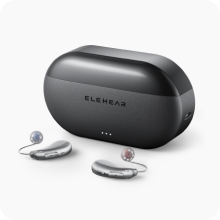
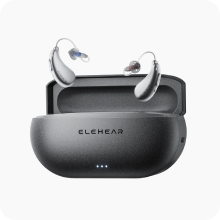
A persistent ringing, buzzing, or hissing sound — especially in quiet environments — often accompanies hearing loss. Tinnitus and hearing loss frequently share the same underlying causes, and addressing one can help manage the other. AI-powered hearing aids for tinnitus like the ELEHEAR Beyond combine hearing enhancement with built-in sound therapy programs in a single device.
8. Others Telling You That You Speak Too Loudly
When you can't accurately gauge the volume of your own voice, you tend to overcompensate. If people regularly ask you to lower your voice, your internal volume calibration may be off due to reduced hearing sensitivity.
What Causes These Symptoms?
Understanding the root causes helps you take the right next steps:
- Age-related changes (presbycusis): The most common cause for adults over 50. The tiny hair cells in the inner ear naturally deteriorate over time.
- Noise exposure: Years of concerts, headphones at high volume, power tools, or loud work environments cause cumulative damage.
- Earwax buildup: Sometimes the simplest explanation is the right one. Excessive cerumen can block sound from reaching the eardrum.
- Medications: Certain antibiotics, chemotherapy drugs, and even high doses of aspirin are ototoxic, meaning they can damage hearing.
- Medical conditions: Diabetes, cardiovascular disease, and autoimmune disorders can all affect blood flow to the inner ear.
When Should You Take Action?
A common misconception is that you need profound hearing loss before doing anything about it. The opposite is true. Research consistently shows that early intervention preserves cognitive function, social engagement, and overall quality of life.
Consider taking action if:
- You recognized three or more signs from the list above
- Symptoms have persisted for more than a few weeks
- At least one other person in your life has commented on your hearing
- You find yourself withdrawing from social situations you used to enjoy
The 2026 Advantage: OTC Hearing Aids
Here's the good news. You no longer need to book a series of audiology appointments, wait weeks for custom molds, or spend the higher amounts associated with prescription devices. The OTC hearing aid category has matured dramatically, and AI-powered devices now deliver audiologist-level everyday performance at a much more accessible investment level.
How Modern AI Hearing Aids Address These Symptoms
Today's best hearing aids don't just amplify sound — they intelligently process it. Here's how technology maps directly to the symptoms above.
| Symptom | How AI Hearing Aids Help |
|---|---|
| Asking people to repeat | AI voice isolation clarifies speech in real time |
| Trouble in noisy places | Adaptive noise reduction filters background sound |
| Listening fatigue | Reduced cognitive load means less mental strain |
| Tinnitus | Built-in sound therapy provides relief |
| Phone call avoidance | Bluetooth streaming sends calls directly to your ears |
For users who spend significant time in challenging listening environments, premium smart hearing aids like the ELEHEAR Beyond Pro deliver the strongest speech clarity with VOCCLEAR 2.0 AI and a 20-hour battery.
A Discreet First Step: Earbud-Style Hearing Aids
Many people hesitate to explore hearing aids because of outdated perceptions about how they look. That barrier has largely disappeared. Devices like the ELEHEAR Delight earbud hearing aids are designed to look and feel like premium wireless earbuds. With an in-the-canal form factor, secure ear-wings for active lifestyles, and a sleek charging case, they're virtually invisible during everyday wear.
The Delight is powered by ELEHEAR's VOCCLEAR AI technology, which isolates voices from background noise and adapts to your environment in real time. It's FDA registered, HSA/FSA eligible, and ships with a 45-day risk-free trial — so there's genuinely no downside to trying it.
Next Steps: From Recognition to Action
If this article has you nodding along, here's a simple action plan:
- Take a quick self-assessment. Count how many of the eight signs above apply to you. Three or more warrants further exploration.
- Talk to someone you trust. Ask a partner, friend, or family member if they've noticed changes in your hearing. Their perspective is valuable.
- Try an OTC solution risk-free. With ELEHEAR's 45-day trial, you can experience the difference modern AI hearing aids make without any financial commitment.
- Consult a professional if needed. ELEHEAR's ElePro remote audiologist care connects you with licensed professionals directly through the app — no clinic visit required.
Frequently Asked Questions
At what age does hearing loss typically begin? Gradual hearing loss can start as early as your 30s, though most people notice symptoms in their 50s or 60s. Noise exposure can accelerate the timeline at any age.
Can hearing loss be reversed? Sensorineural hearing loss (the most common type) is generally permanent, but hearing aids can effectively restore your ability to hear clearly. Early use helps your brain maintain its sound-processing pathways.
Are OTC hearing aids as effective as prescription ones? For mild to moderate hearing loss, FDA-registered OTC hearing aids with AI processing — like ELEHEAR's lineup — deliver comparable everyday results. Over 50,000 ELEHEAR users currently benefit from this technology.
How do I know if I need hearing aids or just need to clean my ears? If symptoms persist after proper ear cleaning, hearing aids are likely the next step. ELEHEAR's risk-free trial lets you find out without guesswork.
ELEHEAR hearing aids are FDA registered, HSA/FSA eligible, and backed by a 45-day risk-free trial with free shipping and a 1-year warranty. Recognized by Forbes, Fast Company, and CES in 2026.


