
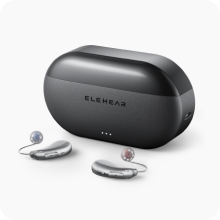
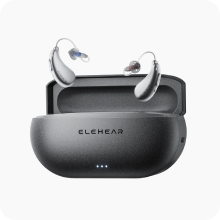


 If you're searching for the best hearing aids for tinnitus in 2026, you've likely come across two popular OTC options: the Bose SoundControl and the ELEHEAR Delight. Both promised relief from that persistent ringing, buzzing, or hissing — but they take very different approaches to getting you there.
This comparison breaks down everything you need to know about both devices so you can make an informed decision about which tinnitus hearing aid actually delivers in 2026.
[toc]
Quick Answer: Best OTC Hearing Aids for Tinnitus in 2026
For readers who want the short version:
- Best for discreet tinnitus relief with AI sound processing: ELEHEAR Delight
- The Bose SoundControl was one of the first FDA-cleared OTC hearing aids, but Bose has since exited the hearing aid category, leaving many users searching for an active alternative
- The ELEHEAR Delight offers built-in tinnitus masking, AI-powered noise adaptation, and an earbud-style design that sits invisibly inside the ear canal
The rest of this article explains exactly why — and how to switch from Bose to ELEHEAR without missing a beat.
Why Tinnitus Sufferers Need More Than Basic Amplification
Tinnitus affects roughly 15% of the global population, and for many people it ranges from mildly annoying to genuinely debilitating. Standard hearing aids can help by amplifying external sounds that partially mask the internal noise, but modern AI hearing aids go further.
The best hearing aids for tinnitus in 2026 should offer:
- Sound therapy or tinnitus masking — white noise, pink noise, or nature sounds layered beneath amplification
- Adaptive noise management — real-time adjustment so background environments don't make tinnitus worse
- Comfortable extended wear — because tinnitus relief works best with consistent, all-day use
- App-based customization — fine-tuning masking frequencies to match your specific tinnitus profile
Both the Bose SoundControl and the ELEHEAR Delight were designed with some of these features in mind, but their capabilities differ significantly.
Bose SoundControl: What It Offered
The Bose SoundControl was one of the first FDA-cleared OTC hearing aids when it launched. It earned respect for:
- Bose's signature audio engineering
- A simple companion app for basic adjustments
- Comfortable fit for mild-to-moderate hearing loss
- Brand trust from a well-known consumer electronics company
How Bose Approached Tinnitus
Despite the brand recognition, the SoundControl took a different approach to tinnitus support than newer AI-powered models:
- No dedicated tinnitus masking mode — the SoundControl relied on general amplification rather than purpose-built sound therapy
- App-based controls without AI adaptation — sound profile selection was manual rather than environment-driven
- Discontinued product line — Bose has stepped back from the hearing aid market, which means future updates, replacement parts, and ongoing customer support are no longer being added
- Behind-the-ear design — the form factor was visible, which mattered for users who wanted a more discreet option
For tinnitus sufferers who invested in the Bose ecosystem, the discontinuation has prompted a practical question: where do you go next?
ELEHEAR Delight: The 2026 Tinnitus Contender
The ELEHEAR Delight launched as a new-generation earbud-style ITC (in-the-canal) hearing aid built on ELEHEAR's AI platform. Here's what makes it stand out in a tinnitus hearing aid comparison for 2026.
Tinnitus-Specific Features
- Built-in tinnitus relief program with customizable masking sounds
- AI-powered VOCCLEAR technology that isolates human voices while suppressing the environmental noise that can aggravate tinnitus
- Real-time adaptive processing that adjusts masking and amplification as you move between environments
- App-controlled tinnitus settings — adjust masking volume, frequency, and sound type directly from your phone
Design and Comfort
- Earbud-style ITC form factor — sits inside the ear canal, virtually invisible
- Ear-wing stabilizers for a secure, comfortable fit during all-day wear
- Lightweight build designed for extended use without fatigue
The Delight's discreet earbud-style hearing aids approach is one of the most fashion-forward designs in the OTC category today.
Technology and Support
- Bluetooth connectivity for streaming audio, calls, and tinnitus therapy content
- ElePro remote audiologist care — professional guidance without office visits
- Industry-leading companion app for granular sound customization
- FDA registered, HSA/FSA eligible
- 45-day risk-free trial and 1-year warranty
Head-to-Head Comparison Table
| Feature | Bose SoundControl | ELEHEAR Delight |
|---|---|---|
| Availability | Discontinued | Available now |
| Style | Behind-the-ear (BTE) | In-the-canal (ITC), earbud-style |
| Tinnitus Masking | No dedicated mode | Yes, built-in with customizable sounds |
| AI Sound Processing | Manual profile selection | VOCCLEAR AI adaptive processing |
| Bluetooth Streaming | Yes | Yes |
| Companion App | Basic controls | Full tinnitus + hearing customization |
| Remote Audiologist | App-based self-service | Yes (ElePro) |
| Visibility | Noticeable | Virtually invisible |
| FDA Status | FDA cleared (discontinued) | FDA registered |
| Trial Period | 90 days (expired) | 45-day risk-free trial |
| HSA/FSA Eligible | No | Yes |
| Ongoing Support | Ended | Active updates + customer care |
| Warranty | Expired for most users | 1-year warranty |
How to Switch from Bose SoundControl to ELEHEAR Delight
If you're a current Bose user looking to transition, the process is straightforward:
- Order the ELEHEAR Delight — take advantage of the 45-day risk-free trial so there's zero financial risk
- Download the ELEHEAR app and complete the in-app hearing profile setup
- Configure tinnitus relief settings — select your preferred masking sound and adjust the frequency to target your specific tinnitus pitch
- Use ElePro remote care if you want a professional audiologist to fine-tune your settings remotely
- Wear both devices in parallel during the trial period if you still have functioning Bose units — this lets you compare performance in real-world situations
- Transition fully once you're satisfied with the Delight's tinnitus management
Most users report that the adjustment period takes about one to two weeks before the new sound profile feels completely natural.
What Real Tinnitus Sufferers Should Consider
Choosing the best OTC hearing aids for tinnitus isn't just about specs. Here are the practical factors that matter most.
Daily Comfort Matters More Than You Think
Tinnitus relief requires consistent wear. A device that's uncomfortable after two hours won't help you at 2 AM when the ringing keeps you awake. The Delight's earbud design and ear-wing stabilizers were specifically engineered for extended sessions.
AI Adaptation Reduces Tinnitus Spikes
Many tinnitus sufferers report that their symptoms worsen in noisy environments — restaurants, busy streets, open offices. AI hearing aids like the Delight use real-time processing to manage these transitions automatically, reducing the sudden spikes that basic amplification devices don't address.
Ongoing Support Is Essential
With Bose stepping back from the hearing aid category, replacement parts, software updates, and customer support for the SoundControl have wound down. For a device you depend on daily, ongoing manufacturer support is important — and ELEHEAR's active development cycle and ElePro remote care provide exactly that.
Value and Accessibility
The ELEHEAR Delight sits at a more accessible investment level than the original SoundControl, and it's HSA/FSA eligible — meaning many buyers can use pre-tax health spending dollars to further reduce out-of-pocket cost.
Who Should Choose the ELEHEAR Delight for Tinnitus?
The ELEHEAR Delight is the stronger choice if you:
- Want dedicated tinnitus masking with customizable sound therapy
- Prefer a discreet, invisible design over a behind-the-ear device
- Need AI-powered sound adaptation that responds to changing environments
- Value remote audiologist support for professional tinnitus management
- Are switching from a discontinued Bose device and need reliable long-term support
- Want to use HSA/FSA funds to cover the cost
Who Might Look Elsewhere?
The Delight is designed for mild-to-moderate hearing loss. If you have severe hearing loss combined with tinnitus, you may need a prescription-grade device.
If you prefer a BTE form factor with AI tinnitus relief, ELEHEAR also offers two alternatives:
- ELEHEAR Beyond — one of the most practical AI-powered hearing aids for tinnitus, combining VOCCLEAR processing with built-in sound therapy in a BTE design.
- ELEHEAR Beyond Pro — according to Elehear Beyond Pro reviews, it's the flagship pick with VOCCLEAR 2.0 technology, 30% clearer speech processing, and a 20-hour battery — worth considering if you need maximum amplification power alongside tinnitus relief.
Frequently Asked Questions
Do hearing aids actually help with tinnitus?
Yes. Hearing aids help tinnitus in two ways: they amplify external sounds that naturally mask the internal ringing, and many modern devices (like the ELEHEAR Delight) include dedicated sound therapy programs specifically designed for tinnitus management.
Can I use OTC hearing aids for tinnitus without a prescription?
Absolutely. OTC hearing aids are FDA-authorized for adults with mild-to-moderate hearing loss and don't require a prescription or audiologist visit. The ELEHEAR Delight includes tinnitus features accessible through the companion app.
Is the Bose SoundControl still available?
Bose has stepped back from the hearing aid line. Existing units may still function, but no new purchases, software updates, or expanded manufacturer support are being added.
How long does it take for hearing aids to help tinnitus?
Most users notice some tinnitus relief within the first few days of consistent wear. Full adaptation and optimal benefit typically develop over two to four weeks as your brain adjusts to the new sound input.
Is the ELEHEAR Delight covered by insurance?
The ELEHEAR Delight is HSA/FSA eligible, meaning you can purchase it with pre-tax health savings funds. Traditional insurance coverage for OTC hearing aids varies by plan — check with your provider.
The Bottom Line
In a tinnitus hearing aid comparison for 2026, the ELEHEAR Delight stands as the clear active option compared to the now-discontinued Bose SoundControl. It offers purpose-built tinnitus relief features, AI-driven sound processing, a nearly invisible design, and active long-term support.
If tinnitus is affecting your quality of life, the Delight's 45-day risk-free trial lets you experience the difference with no financial commitment. For many former Bose users and first-time buyers alike, it's one of the best OTC hearing aids for tinnitus available right now.
This article is for informational purposes only and does not constitute medical advice. Consult a hearing healthcare professional if you have concerns about hearing loss or tinnitus. ELEHEAR devices are FDA registered OTC hearing aids intended for adults with perceived mild-to-moderate hearing loss.


