
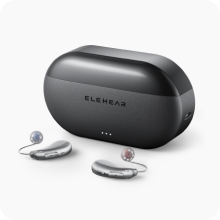
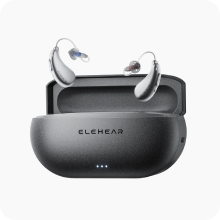


Choosing a hearing aid also means choosing how purchasing, fitting, daily adjustments, and support will work. This hearing aid comparison places ELEHEAR alongside the Big Five hearing aid makers: Sonova/Phonak, Demant/Oticon, GN/ReSound, WS Audiology/Widex, and Starkey. It compares ELEHEAR’s direct-purchase OTC model with the Big Five’s prescription pathways through ease of use, professional support, and overall value.
Who Are the Big Five Hearing Aid Makers, and How Is ELEHEAR Different?
In this comparison, the Big Five refers to five large hearing aid groups, represented here by their best-known prescription brands. Some of these groups also operate other brands and sales channels, so the following table focuses on the prescription paths.
| Company or Group | Representative Brand | Typical Path for the Products Discussed |
|---|---|---|
| Sonova | Phonak | Prescription devices selected and fitted through a hearing care professional |
| Demant | Oticon | Prescription devices supported by professional assessment and fitting |
| GN | ReSound | Prescription devices provided through hearing care professionals |
| WS Audiology | Widex | Prescription devices fitted through professional hearing care channels |
| Starkey | Starkey | Prescription devices and custom options provided through hearing professionals |
| ELEHEAR | ELEHEAR | Direct-purchase OTC devices with App-based setup and remote support |
Sonova lists Phonak among its core brands, while Demant identifies Oticon as part of its hearing aid business. ReSound is a GN hearing technology brand, and Widex is part of WS Audiology. Starkey operates as both the manufacturer and the main consumer-facing brand.
ELEHEAR is not presented as a sixth member of the Big Five. Unlike the clinic-based prescription pathways discussed above, ELEHEAR follows a direct-purchase OTC model for eligible adults. Its products can be ordered online and adjusted through the ELEHEAR App, with ElePro remote professional fine-tuning available when needed. The main focus for comparison will be how purchasing, setup, and support are delivered, rather than company size.
Which Buying and Fitting Path Is Easier to Manage?
Ease of use begins before the hearing aids are worn. The prescription and OTC paths simplify different parts of purchasing, setup, and follow-up care.
Prescription Fitting Through a Hearing Care Professional
The prescription path usually begins with an appointment. A hearing care professional evaluates hearing, discusses daily listening situations, recommends suitable devices, and programs them for the individual.
This structure can reduce the need to compare products or interpret settings without guidance. It may be particularly useful when hearing needs are complex, custom devices are required, or ongoing in-person care is important.
The process may include:
- A professional hearing assessment
- Product and wearing-style recommendations
- Initial fitting and programming
- Instructions for insertion, cleaning, and charging
- Follow-up visits for adjustments
Prescription hearing aids can serve a broader range of ages and hearing needs, depending on the device’s intended use. The exact number of appointments varies by provider and fitting plan.
Direct Purchase Through an OTC Model
OTC hearing aids can be purchased online or in stores without a prescription, medical examination, or required professional fitting. In the United States, they are intended for adults aged 18 or older with perceived mild to moderate hearing loss.
ELEHEAR products can be ordered online and set up at home through the ELEHEAR app. The app includes a hearing assessment and sound controls, while professional fine-tuning is available remotely through ElePro.
This route may appeal to adults who prefer:
- Direct online purchasing
- Setup at home
- App-based sound adjustments
- Fewer required clinic visits
The shorter process does not make OTC hearing aids appropriate for every situation. Seek professional care instead of choosing a device on your own if hearing changes suddenly, becomes much worse in one ear, or if ear pain, ear drainage, or severe dizziness occurs.

How Do Daily Controls and Professional Support Affect Ease of Use?
Initial setup is only one part of the experience. Daily controls, automatic adjustments, phone compatibility, charging, and access to help can determine how easily a device fits into a routine.
Everyday Controls and Automatic Adjustment
The Big Five and ELEHEAR all use advanced digital processing, but their technologies appear within different care models.
- ELEHEAR: VOCCLEAR® AI processing analyzes changing sound and supports speech clarity and noise management. The ELEHEAR app provides sound controls, while Bluetooth supports calls and media streaming.
- Phonak: AutoSense OS automatically adjusts to changing sound environments. Selected Infinio Ultra Sphere models use the DEEPSONIC™ AI chip for real-time speech-from-noise separation.
- Oticon: BrainHearing™ guides the brand’s approach to sound processing. Oticon Intent combines second-generation deep neural network processing, or DNN 2.0, with 4D Sensor technology to respond to sound, movement, and conversation activity.
- ReSound: ReSound Vivia combines a deep neural network chip with Bluetooth Low Energy Audio and Auracast™. Auracast allows compatible hearing aids to receive broadcast audio in supported public and private spaces.
- Widex: PureSound™ uses ZeroDelay™ technology to reduce delay-based distortion and support a more natural sound. Compatible models also provide app-based controls.
- Starkey: Starkey Omega AI combines DNN 360 sound processing with app controls, streaming, and wellness tools such as activity tracking, balance support, and respiratory-rate monitoring.
These technologies should not be ranked by name alone. Their practical value depends on whether they reduce manual adjustments, work with a compatible phone, and help in the listening environments that matter most.
Where Professional Support Fits In
Prescription hearing aids are usually supported by a hearing care professional. That support may include fitting, counseling, repairs, and later programming changes. Some prescription brands also offer remote follow-up through their apps, although availability depends on the provider, product, and service plan.
ELEHEAR brings remote audiologist support into its direct-purchase OTC path. Through ElePro, in-app hearing assessment results can provide professional support and fine-tuning. This combines the flexibility of at-home adjustment with access to remote hearing care.
Some prescription providers also offer remote follow-up after the initial fitting. Because support terms vary by provider and product, check what is included before purchase rather than assuming the same service level across a manufacturer’s full lineup.

What Does the Price of Each Hearing Aid Path Include?
A useful hearing aid price comparison looks beyond the device price. The total may also reflect assessment, fitting, follow-up care, warranties, maintenance, and accessories.
Prescription prices often vary by model, technology level, clinic, and service package. A quoted amount may include professional evaluation and adjustments, but bundled services differ between providers.
ELEHEAR uses a more direct price structure. Its website shows the price for a pair and lists the included product features before checkout. This makes it easier to compare the device cost, although current prices and promotions may change.
Before comparing two prices, check:
- Is the amount for one hearing aid or a pair?
- Does it include an assessment or initial fitting?
- Are later adjustments included?
- What do the trial period and warranty cover?
- Are chargers, receivers, ear domes, or other accessories included?
- Will repairs or professional appointments create additional costs?
The National Institute on Deafness and Other Communication Disorders’ hearing aid advice also recommends asking about total cost, warranties, maintenance, repairs, and professional instruction rather than judging a hearing aid by price alone.
ELEHEAR’s per-pair pricing makes the device cost and included features easier to review before purchase.
Which Option Offers Better Value for Different Hearing Needs?
Value depends on the buying path, level of professional involvement, and features that matter in daily life. A direct-purchase OTC model and a clinic-based prescription model can both offer good value, but they include different types of support and convenience.
- For a direct path with connected controls: ELEHEAR allows eligible adults to order online, complete setup at home, and use app-based adjustments and Bluetooth without a required clinic fitting.
- For balancing product features and upfront cost: ELEHEAR places connected controls and remote professional support within one OTC purchase path. Prescription pricing may include more clinic-based assessment, fitting, and follow-up services.
- For guided assessment and fitting: Phonak, Oticon, ReSound, Widex, and Starkey products are commonly selected and programmed through hearing care professionals. This path can reduce the need to compare settings or product styles without guidance.
- For professional support after setup: ELEHEAR combines self-adjustment with ElePro remote hearing care. Prescription pathways typically provide support through a clinic, while some brands and providers also offer remote follow-up.
- For custom products or needs outside the OTC category: The Big Five collectively offer a broader range of prescription and custom-fit products. These options are designed for situations that require professional assessment or fall outside the intended use of OTC hearing aids.
- For ongoing in-person care: A clinic-based pathway may suit people who place a high value on face-to-face adjustments, repairs, and counseling over time.
The better-value path is the one that matches the required level of fitting, daily control, professional support, and long-term care. The comparison should focus on what is included and how often those services or features will be used.

Find the Support Model That Fits Daily Life
The right path depends on how much professional involvement, day-to-day control, and in-person care matters. Prescription hearing aid makers offer broad product ranges and clinic-based fitting, while ELEHEAR provides a more direct OTC route with remote professional support. Review the current ELEHEAR models, trial terms, and support options to see whether this approach fits the intended routine.
FAQs
Q1. Which Hearing Aid Makers Do Audiologists Recommend Most?
Audiologists usually recommend hearing aids based on hearing needs, daily listening situations, fit, and the amount of professional support required. Popular hearing aid brands such as Phonak, Oticon, ReSound, Widex, and Starkey are often fitted through clinics, while ELEHEAR combines direct OTC purchasing with App controls and ElePro remote audiologist support.
Q2. What Is the Average Lifespan of a Hearing Aid?
Many hearing aids last about three to seven years, although care, moisture exposure, battery condition, and technology changes can affect that range. Regular cleaning and timely maintenance may help the devices remain reliable for longer.
Q3. How Many Hours a Day Should a Hearing Aid Be Worn?
Wearing time depends on comfort, experience, and the situations where hearing support is needed. New wearers often build up gradually, while experienced wearers may use their devices throughout most of the day.
Q4. Which Hearing Aid Has the Best Speech Clarity?
Speech clarity depends on fit, sound settings, microphone directionality, and the listening environment, so no model is best for every person. In independent HearAdvisor lab testing, ELEHEAR Beyond Pro earned an A SoundGrade and performed strongly in both speech-in-quiet and speech-in-noise testing. A trial period can still help determine how well any hearing aid supports everyday conversations.


