
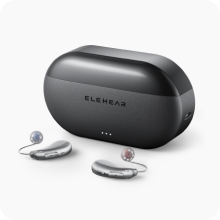
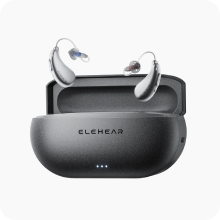


People with narrow ear canals can still wear hearing aids comfortably. The device style, ear dome, receiver wire, and shape of each ear can all influence the fit of your hearing aids. A good fit stays secure during conversations and daily activities without pressure, soreness, or constant adjustment. A compact in-ear design may work well for some people, while others may prefer a style that keeps more hardware outside the canal. Fit matters more than size alone.

How Can Small Ear Canals Affect Hearing Aid Fit and Sound?
Ear canals vary in width, length, angle, and shape. A narrow canal leaves less space for the parts that sit inside the ear, but it does not limit everyone to the same hearing aid style.
The fit must balance comfort, stability, and sound delivery. If a dome or device takes up too much space, it may create pressure, itching, or a plugged feeling. That plugged sensation is called the occlusion effect. It can make your voice, chewing, or footsteps sound unusually loud or hollow.
A loose fit can create different problems. The dome may move while you talk or chew, and sound may leak out of the ear. Escaping sound can return to the microphone and cause feedback, which is the whistling sound sometimes heard from a hearing aid.
The smallest hearing aid is not automatically the most suitable option for a narrow ear canal. The right choice depends on the device shape and how it fits the individual ear. A style that keeps more of the device outside the canal may feel more comfortable for some users.
A suitable fit should provide:
- Secure placement without strong pressure
- Enough space to avoid soreness
- A seal that supports clear sound
- Comfortable airflow depending on the fit
- Easy insertion and removal
Ear canal size does not determine how much hearing support a person needs. Hearing test results, daily listening situations, comfort, and ease of use should all be considered.
Follow the product’s instructions and stop if you feel pain or strong resistance. A secure fit should not require forcing the device deeper into the ear.
Which Hearing Aid Styles Can Work With Smaller Ear Canals?
Several hearing aid styles can work for smaller ears. The main difference is how much of the device sits inside the ear canal. The table below compares four common styles and their fitting considerations.
|
Hearing Aid Style |
Full Name |
Where It Sits |
Small Ear Canal Considerations |
|
BTE |
Behind the ear |
The main device sits behind the ear, with sound sent through a tube |
Keeps most parts outside the canal and allows different dome or earmold options |
|
RIC |
Receiver in canal |
The main device sits behind the ear, while a small receiver sits in the canal |
Offers several dome sizes and receiver wire lengths |
|
ITC |
In the canal |
The device sits partly inside the canal |
The shell must match the canal’s width, angle, and shape |
|
CIC |
Completely in canal |
Most of the device sits deeper inside the canal |
Requires enough room for comfortable placement, removal, and daily wear |
Each style balances canal space, appearance, comfort, and ease of handling differently. The ASHA overview of adult hearing aid styles and fitting options also explains that hearing aids may use domes, custom earmolds, tubing, or receivers depending on the design and fitting needs.
BTE Hearing Aids
A behind-the-ear hearing aid, or BTE, keeps the main electronic parts behind the ear. Sound travels through a thin tube to an ear dome or custom earmold.
Because most of the device remains outside the canal, a BTE style can reduce crowding in a narrow ear. The part placed inside the ear must still be sized correctly.
RIC Hearing Aids
A receiver-in-canal hearing aid, or RIC, places a small speaker inside the ear canal. This speaker is called the receiver. A thin receiver wire connects it to the hearing aid behind the ear.
RIC models can work with different dome sizes and wire lengths. Different dome sizes and receiver wire lengths help position the receiver comfortably while allowing the hearing aid to rest naturally behind the ear.
ITC Hearing Aids
An in-the-canal hearing aid, or ITC, places most of the device inside the lower part of the ear canal. Part of the shell may remain visible in the outer ear.
An ITC device can work in a smaller ear when the shell fits the individual canal shape. Comfort depends on more than overall device size. The position of the controls and charging contacts also matters.
CIC Hearing Aids
A completely-in-canal hearing aid, or CIC, sits deeper inside the ear and is designed to be less noticeable.
A narrow canal does not automatically rule out a CIC device. However, there must be enough room to insert, wear, and remove the shell comfortably. Finger control and ease of handling should also be considered.
How Do Ear Domes and Receiver Wires Affect Comfort and Stability?
With many BTE and RIC hearing aids, the parts that sit inside the ear can be adjusted without replacing the full device. The ear dome and receiver wire are especially important for smaller canals.
An ear dome is the soft piece placed over the receiver or sound tube. It rests inside the canal and helps hold the device in position.
A receiver wire connects the RIC hearing aid behind the ear to the receiver inside the canal. Different wire lengths help position both parts correctly.
Ear Dome Size and Style
A dome that is too large may press against the canal wall. It can cause soreness, itching, or a blocked feeling during longer wear.
A dome that is too small may move when the jaw moves. It may also allow sound to escape, which can affect stability and increase the chance of feedback.
Common dome styles include:
- Open domes, which allow more airflow and natural sound into the ear
- Closed domes, which create a stronger seal
- Double or power domes, which provide a tighter seal when stronger amplification is needed
The right dome balances comfort, airflow, feedback control, and the amount of sound support needed. A tighter dome is not automatically better for a narrow canal.
Receiver Wire Length
Receiver wire length affects where the receiver sits and how the hearing aid rests behind the ear.
A wire that is too short may pull on the receiver or place pressure inside the canal. It may also pull the hearing aid away from its natural position.
A wire that is too long may bow outward, move during daily activities, or allow the receiver to shift. The wire should follow the shape of the ear smoothly without pulling or forming a large loop.
The dome and receiver wire must work together. Changing the dome may not solve the problem if the wire is placing the receiver at an uncomfortable angle.

What Are the Signs That a Hearing Aid Does Not Fit Correctly?
A hearing aid may feel noticeable during the first few uses, but it should not cause continuing pain or require frequent repositioning.
Check the fit if you notice:
- Pressure or soreness inside the ear
- Redness that continues after removing the device
- Ongoing itching or rubbing
- A plugged or hollow sound when speaking
- Whistling during normal movement
- A dome that slips out while talking or chewing
- A receiver wire that pulls tightly or bows away from the ear
- A device that must be pushed deeper to remain secure
- Difficulty inserting or removing the device
Many fit issues can be improved by changing the dome size, dome style, receiver wire length, or insertion method. These adjustments may improve comfort without requiring a different hearing aid.
Fit can also change when a dome becomes worn or earwax collects around the sound opening. Clean the device according to its care instructions and replace approved parts at the recommended time.
Insert and remove the hearing aid according to the manufacturer’s instructions. Avoid pulling on the receiver wire when taking it out.
When Can Custom Fitting Help?
Many hearing aids for small ear canals can be fitted with standard domes and receiver wires. Additional support may help when several fitting adjustments have not provided a secure and comfortable result.
Standard domes and receiver wires work for many users. When they repeatedly feel loose or uncomfortable, a custom earmold can provide another fitting option shaped for the individual ear.
Consider custom fitting when:
- You've already tried several dome sizes
- The hearing aid continues to whistle after normal adjustments
- The device repeatedly moves out of position
- One ear fits differently from the other
- An ITC or CIC device is difficult to insert
- The receiver wire does not sit smoothly
- Comfort problems limit regular use
A hearing professional can also check for earwax, irritation, or another ear canal issue that affects the fit. Standard fitting options work for many users, while additional support can help resolve repeated problems.
Some symptoms need medical attention rather than another dome or wire adjustment. The FDA guidance on OTC hearing aids advises seeking medical care for warning signs such as ear pain, fluid or blood from the ear, severe dizziness, or sudden or rapidly changing hearing.
Choose a Fit That Supports Everyday Listening
Choose hearing aids for small ear canals based on comfort, stability, sound, and ease of use rather than size alone. Check how the dome, receiver wire, and hearing aid style feel during meals, phone calls, walks, and family conversations. A comfortable device should stay secure without pressure or constant adjustment. Consider custom fitting when needed, so your hearing aids can fit naturally into daily life.
FAQs
Q1. Why Do Some People Have Smaller Ear Canals?
Ear canal size and shape vary naturally because each person’s ear anatomy develops differently. A smaller canal does not mean poorer hearing or that hearing aids will be uncomfortable.
Q2. Are Rechargeable In-Ear Hearing Aids Available for Small Ear Canals?
Yes. Rechargeable in-ear hearing aids are available in compact designs. The shell shape, controls, charging contacts, and available canal space determine whether a particular model fits comfortably.
Q3. Can You Wear Hearing Aids With Small Ears and Glasses?
Yes. BTE and RIC hearing aids can be worn with glasses when both are positioned comfortably. The glasses arm should not press against the hearing aid or pull on the receiver wire.
Q4. Do People With Small Ear Canals Hear Better?
Not necessarily. Ear canal size alone does not determine hearing ability. Hearing also depends on the eardrum, middle ear, inner ear, and the pathways that carry sound information to the brain.


