
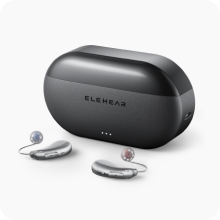
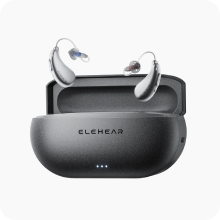


A sound amplifier is not usually better than a hearing aid for someone with hearing loss. It can add volume during a specific activity, but it may also make background noise louder. A hearing aid is designed to support everyday communication with more targeted sound adjustment. The difference matters because added volume does not always make speech easier to understand. Your everyday listening needs, not maximum volume, should guide the choice.

What Is a Sound Amplifier and How Does It Work?
A sound amplifier makes nearby sounds louder. It uses three basic parts:
- A microphone picks up sound.
- An electronic processor increases the volume.
- A small speaker sends the louder sound into the ear.
Most sound amplifiers raise the volume of many sounds at the same time. A person’s voice may become louder, but so may the sound of traffic, dishes, wind, and other conversations. Some models include basic volume or tone controls, but they are not usually adjusted to match an individual hearing pattern.
According to the FDA’s explanation of hearing aids and personal sound amplification products, sound amplifiers are intended for people without hearing loss who want extra volume in specific situations. Examples include listening to a distant speaker, birds, or other quiet environmental sounds. They are not designed to compensate for hearing loss.
This difference matters when speech is already difficult to follow. Making every sound louder may increase background noise without making individual words clearer. A hearing aid is designed for ongoing hearing needs and can offer more targeted sound adjustments.
What Is the Difference Between a Sound Amplifier and a Hearing Aid?
Both devices collect sound and send it into the ear at a higher volume. The main difference is what each device is designed to do.
The table below compares the features that matter most.
|
Feature |
Sound Amplifier |
Hearing Aid |
|
Main purpose |
Adds volume during selected activities |
Supports people with hearing loss |
|
Intended user |
Someone with normal hearing |
Someone with hearing loss |
|
Sound processing |
Usually raises sound more broadly |
Can adjust different sound frequencies |
|
Daily use |
Often used occasionally |
Designed for regular communication needs |
|
Personal adjustment |
Usually limited to volume or tone |
May include personalized sound settings |
|
Product category |
Consumer electronic device |
Regulated medical device |
|
Available support |
Depends on the seller |
May include self fitting, remote help, or professional fitting |
A hearing aid does more than increase the volume of everything around the user. It may give more support to frequencies that are difficult to hear while limiting sounds that are already loud enough.
Many modern hearing aids also include features such as feedback control, directional microphones, listening programs, smartphone settings, and Bluetooth audio. Available features vary between products.
When Can a Sound Amplifier Be Useful?
A sound amplifier may be useful when everyday hearing is generally comfortable, but extra volume would help during one activity.
It may suit someone who:
- Easily follows normal conversations
- Does not regularly ask others to repeat themselves
- Wants to hear a quiet or distant sound
- Plans to use the device only for short periods
- Does not need personalized frequency settings
For example, a person may hear family members and television clearly but want more volume while listening to a distant presentation. A sound amplifier could be suitable for that limited need.
Comfort still matters. You should begin at a low volume and increase it only until the intended sound is easy to hear. If other sounds become harsh, tiring, or distracting, greater amplification won't solve the problem.
A low price or high maximum volume should not be the only reason to choose a device. Fit, controls, sound quality, battery life, instructions, and return terms also affect the experience.
When Is a Hearing Aid More Appropriate Than a Sound Amplifier?
A hearing aid may be the better option if you:
- Often ask people to repeat themselves
- Hear a voice but miss parts of the words
- Struggle to follow conversations in restaurants or groups
- Turn the television louder than other people prefer
- Miss important details during phone calls
- Feel tired after trying hard to listen
- Avoid social situations because following speech takes too much effort
When several of these problems occur, simply making every sound louder may not help. Speech can become louder, but background noise may also increase. This can make words just as difficult to distinguish.
A hearing aid is designed to make everyday communication easier through more targeted sound adjustment. Depending on the device, it may adjust specific pitches, reduce feedback, focus on speech, and provide settings for different listening environments. With the right fit and settings, a hearing aid can make it easier to stay involved in family meals, phone calls, and group conversations.
According to the FDA’s guidance on OTC hearing aids, adults age 18 or older with perceived mild to moderate hearing loss may buy an OTC hearing aid without a prescription. A hearing test can still help identify which sounds are difficult to hear and whether one ear is affected more than the other.
Seek professional care instead of choosing a device on your own if your hearing changes suddenly, becomes much worse in one ear, or if you experience ear pain, ear drainage, or severe dizziness.
The practical rule is simple: a sound amplifier may be suitable for occasional interest in extra volume , while repeated difficulty following speech is a stronger reason to consider a hearing aid and hearing test.

How Can You Choose Between a Sound Amplifier and a Hearing Aid?
Start by identifying the listening problem you want to solve. Then compare sound adjustment, comfort, support, and price.
1. Note When Hearing Becomes Difficult
Write down where the problem happens. A hearing need that appears only during one hobby is different from difficulty hearing during meals, calls, television, and family conversations.
2. Pay Attention to Speech Clarity
Ask whether voices are too quiet or whether words are unclear.
If speech only needs a little more volume in one situation, a sound amplifier may help. If voices are loud enough but words remain difficult to follow, a hearing test may provide more useful information.
3. Check Both Ears
Notice whether the difficulty feels similar in both ears. A clear or recent difference between the ears deserves professional attention, especially if it appeared suddenly.
4. Consider How Often the Device Will Be Used
A sound amplifier is usually intended for selected activities. A hearing aid is made for people who need support during regular conversations and daily routines.
5. Compare the Controls That Matter
Useful features may include:
- Separate volume settings for each ear
- Frequency adjustments
- Feedback control
- Different listening modes
- Smartphone controls
- Rechargeable batteries
- Remote or professional support
More features do not automatically make one device suitable. The controls should match the situations in which hearing becomes difficult.
6. Use a Hearing Test When the Problem Is Ongoing
An online test may provide an initial screening. A full professional hearing test can show how each ear responds to different sound frequencies.
Test results can show whether certain sound frequencies or one ear are more affected. This information can help guide the next step and the type of hearing support to consider.
7. Try the Device in Daily Situations
Test the device beyond a quiet room, including the places where conversations are usually harder to follow. Test it during the situations that matter most, such as:
- A conversation with one person
- A family meal
- Television viewing
- A phone call
- A walk outside
- A small group conversation
Record whether speech becomes easier to follow, whether background sounds are comfortable, and whether the device remains secure in the ear.
Choose Support That Fits Your Daily Life
Do not choose by volume alone. Think about where hearing becomes difficult, how often it happens, and whether speech remains unclear after sounds become louder. A sound amplifier may help during an occasional activity. Regular communication problems deserve a hearing test and a closer look at hearing aids. Choose support that matches the way you live and listen. The right device can make it easier to stay present in conversations, follow everyday sounds, and take part with greater confidence.

FAQs
Q1. Can a Sound Amplifier Be Used as a Hearing Aid?
No. A sound amplifier raises the volume of surrounding sounds but is not designed to support an individual hearing loss pattern. Regular difficulty following conversations is a stronger reason to consider a hearing aid.
Q2. Do Hearing Aids Make Every Sound Louder?
Not necessarily. Many hearing aids can adjust to different sound frequencies and listening settings rather than increasing all sounds equally. This can help make speech easier to follow without relying only on higher volume.
Q3. Can Hearing Aids Be Adjusted After Purchase?
Yes. Depending on the model, settings may be changed through device controls, a smartphone app, remote support, or a hearing professional. Adjustments can improve comfort and clarity as the user tests the hearing aids in different environments.
Q4. How Long Does It Take to Get Used to Hearing Aids?
The adjustment period varies because everyday sounds may seem unfamiliar at first. Many users begin in quieter places and gradually wear their hearing aids for longer periods. Fit or settings should be reviewed if discomfort or unclear sound continues.


