
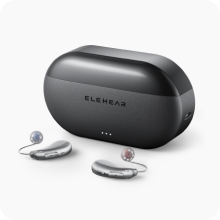
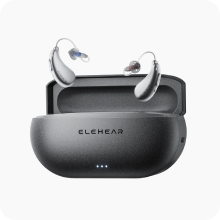


For adults exploring hearing solutions, the first question is often whether to choose OTC (over-the-counter) hearing aids or prescription devices. With OTC models now widely available—many offering AI-powered noise reduction, strong speech clarity, and Bluetooth—the gap between OTC and prescription hearing aids has narrowed significantly. However, the two categories still serve different needs. Understanding the key differences helps you select the right option for your hearing level, lifestyle, and budget. In many cases, OTC hearing aids—especially modern premium models—offer everything mild to moderate users need without the high cost of prescription devices.
[toc]
What Are OTC Hearing Aids?
OTC hearing aids are FDA-regulated devices designed for adults with mild to moderate hearing loss. They can be purchased directly online or in stores without visiting an audiologist.
Who They’re Best For
OTC devices are ideal for adults who:
-
Struggle in noisy places
-
Turn up TV/phone volume frequently
-
Miss parts of conversations
-
Want an affordable, self-fitting device
-
Prefer fast, convenient access
OTC hearing aids are built to be user-friendly, tech-forward, and customizable through smartphone apps.
Common Features of OTC Devices
-
Digital sound processing
-
Bluetooth streaming
-
App-based adjustments
-
AI-powered noise reduction (on premium models)
-
Rechargeable batteries
-
Easy self-fitting
Modern OTC devices provide powerful performance without the need for clinical appointments.
What Are Prescription Hearing Aids?
Prescription hearing aids are professionally fitted devices obtained through audiologists. They are designed for a wide range of hearing loss levels, including severe and complex cases.
Who They’re Best For
Prescription devices are recommended when:
-
Hearing loss is moderate to severe
-
Speech is difficult to understand even in quiet settings
-
A medical condition affects hearing
-
A user needs advanced clinical fine-tuning
Common Features of Prescription Devices
-
Professional hearing tests
-
Real-ear measurements
-
Highly customized programming
-
More options for severe loss
-
Clinic support and follow-up visits
Prescription devices offer deeper clinical control but at a significantly higher price point.
Key Differences Between OTC and Prescription Hearing Aids
1. Level of Hearing Loss Supported
OTC Hearing Aids
-
Designed for mild to moderate loss
-
Perfect for everyday communication
-
Excellent for background noise situations (premium models)
Prescription Hearing Aids
-
Mild to profound hearing loss
-
Customized for complex medical cases
OTC devices have expanded capabilities thanks to AI, but they are not intended for severe loss.
2. Cost and Accessibility
OTC Hearing Aids
-
Cost around $200–$600 for premium models
-
No appointments or testing required
-
Simple online or retail purchase
Elehear's premium OTC model (~$600) offers advanced AI processing at a fraction of the cost of most prescription devices.
Prescription Hearing Aids
-
Cost $3,000–$7,000+ per pair
-
Require appointments, fittings, and follow-up adjustments
-
Insurance coverage varies
OTC hearing aids are far more budget-friendly and accessible.
3. Fitting and Adjustment
OTC Models
-
App-based self-fitting
-
User adjusts sound to personal preference
-
Fast and flexible
-
Many include automated AI learning
Prescription Models
-
Professionally tested
-
Clinicians adjust frequency shaping and compression
-
More detailed customization
-
Requires ongoing appointments
OTC devices are easier and faster, while prescription devices offer deeper clinical precision.
4. Technology and Features
OTC Hearing Aids
Premium OTC models now include:
-
AI-powered speech enhancement
-
Directional microphones
-
Automatic noise classifier
-
Bluetooth streaming
-
Rechargeable batteries
-
Mobile app control
These features were once limited to expensive prescription devices.
Prescription Hearing Aids
-
More advanced fine-tuning
-
More options for severe loss
-
Stronger feedback control in extreme losses
-
May include tinnitus masking features
However, in everyday environments, top-tier OTC devices perform similarly to many prescription models for mild to moderate users.
5. Convenience and User Experience
OTC Devices
-
Quick and simple setup
-
No waiting for appointments
-
Easy to adjust anytime
-
Perfect for tech-friendly users
Prescription Devices
-
Best for those who prefer professional guidance
-
More structured adjustments
-
Less flexibility for quick changes
OTC models provide more independence and control.
Which One Should You Choose?
Choose OTC Hearing Aids If:
-
You have mild to moderate hearing loss
-
You want to avoid high prescription costs
-
You need strong performance in noise
-
You prefer easy app-based control
-
You value modern technology like AI and Bluetooth
-
You want fast, clinic-free access
OTC hearing aids—especially premium ones like Elehear—are powerful, affordable solutions for most adults.
Choose Prescription Hearing Aids If:
-
Your hearing loss is severe or medically complex
-
You need professional testing and diagnosis
-
You prefer clinical adjustments
-
You require specialized features for advanced loss
For everyday hearing challenges, however, OTC devices now cover the needs of most users.
Final Thoughts
OTC and prescription hearing aids each serve a purpose, but the technology gap has narrowed dramatically. Premium OTC devices deliver advanced AI speech enhancement, Bluetooth streaming, and strong noise reduction at a fraction of the cost of prescription models. For adults with mild to moderate hearing loss seeking convenient, modern, and affordable solutions, OTC hearing aids—especially those offering advanced performance like Elehear—provide exceptional value and clarity without clinical barriers.


