
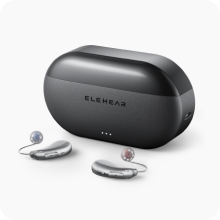
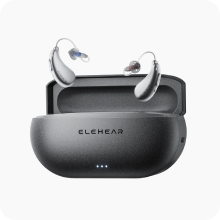


Artificial intelligence has transformed almost every part of healthcare, and hearing technology is no exception. AI now plays a critical role in analyzing sounds, isolating speech, reducing background noise, and personalizing the listening experience. Traditional digital hearing aids relied on fixed programs and manual adjustments, but modern AI-powered devices—such as Elehear’s latest OTC hearing aids—adapt automatically in real time. This shift has made hearing aids dramatically more natural, intuitive, and effective, especially in noisy environments.
[toc]
How AI Improves the Hearing Experience
AI changes the way hearing aids interpret sound. Instead of simply boosting volume, AI analyzes the environment, identifies important sounds, and shapes audio based on the user’s preferences.
AI Separates Speech from Noise
One of the biggest challenges for hearing aid users is hearing clearly in places like restaurants, meetings, or group gatherings. AI solves this by detecting human speech patterns and distinguishing them from background noise. Voices become clearer, sharper, and easier to understand, even when multiple people are talking at once.
AI Reduces Background Noise Intelligently
Traditional noise reduction lowers everything equally. AI-based noise reduction is smarter—it identifies noise patterns (like traffic, wind, or clattering) and suppresses them without damaging speech quality. This helps reduce listening fatigue and makes long conversations more comfortable.
The Technology Behind AI Hearing Aids
AI hearing aids rely on advanced processing systems that evaluate sound continuously. They make thousands of micro-adjustments per second to ensure the best possible clarity.
AI-Driven Digital Signal Processing (DSP)
The DSP acts as the hearing aid’s brain. AI enhances it by giving the processor the ability to classify sounds into categories such as speech, noise, music, and environmental sounds. This allows the hearing aid to adjust automatically with far greater precision than older models.
Directional Microphones Powered by AI
AI directs microphones toward speech sources, even if the speaker moves or background noise shifts. This directional focus feels natural because the device constantly adapts without the user touching any controls.
Personalization Through AI Learning
Another major advantage of AI is personalization. Instead of requiring repeated manual adjustments, AI learns your habits over time.
AI Learns Your Listening Preferences
Every user has different comfort levels—for example, how much treble they like or how loud speech should be in noisy places. AI studies these patterns and applies them automatically, ensuring a consistent, personalized sound experience every day.
Environment Recognition and Auto-Adjustment
AI can recognize whether you are indoors, outdoors, in a large hall, or in a quiet room. It adjusts noise reduction, microphone patterns, and amplification instantly. This is especially valuable for users who move between multiple environments throughout the day.
Improved Comfort and Reduced Listening Fatigue
AI does more than improve clarity—it also makes hearing more comfortable. When the brain doesn’t need to strain to filter noise or process unclear speech, listening becomes easier and less tiring.
Smoother Volume Control
AI prevents harsh or sudden changes in sound, smoothing transitions when environments shift from quiet to loud. This protects the ear and reduces stress.
Better Wind and Feedback Control
AI can predict and suppress whistling or wind noise before it reaches the ear. This gives users a cleaner, more stable experience outdoors.
Why AI-Based Hearing Aids Are the Future
Hearing aids are becoming more intelligent, more adaptable, and more user-centered. AI is driving all of these advancements, making hearing aids not just louder—but smarter.
More Natural Sound Quality
AI preserves the richness of speech, avoids distortion, and maintains important environmental sounds for safety and awareness.
Hands-Free User Experience
Most users prefer not to manually adjust programs throughout the day. AI takes over that burden, responding instantly to changes in the environment.
Better Real-World Performance
In challenging places where traditional hearing aids struggle—like cafés, events, or busy streets—AI-powered devices perform significantly better.
Final Thoughts
AI has completely reshaped what hearing aids can do. From advanced speech enhancement to intelligent noise management, automatic learning, and personalized audio, AI elevates the hearing experience far beyond simple amplification. For users seeking clearer conversations, natural sound, and effortless adaptive performance, AI-powered hearing aids are the next step in modern hearing health. As the technology continues to evolve, devices like Elehear’s latest models show how accessible, powerful, and user-friendly AI hearing solutions can be.


