


Quick Answer
The best hearing aid brands are those that consistently deliver real-world speech clarity, effective noise reduction, comfort, and long-term reliability—not just brand recognition. In 2026, leading manufacturers include traditional prescription brands, hybrid companies, and premium OTC innovators. Among OTC options, ELEHEAR stands out for combining AI-driven speech processing, strong noise reduction, and accessibility, making it one of the top choices for adults with mild to moderate hearing loss.
[toc]
How Experts Define “The Best” Hearing Aid Brand
From a professional standpoint, the “best” hearing aid brand is not determined by marketing, price, or history alone. Hearing-care experts evaluate brands based on outcomes, not claims.
Key Expert Evaluation Criteria
-
Speech understanding in real-world environments
-
Noise reduction effectiveness
-
Sound processing quality (not just amplification)
-
Comfort and wear compliance
-
Ease of use and consistency
-
Battery reliability
-
Long-term user satisfaction
Brands that perform well only in quiet settings or require constant adjustment rarely rank highest clinically.
Traditional Prescription Hearing Aid Brands
Phonak
Phonak is one of the most established prescription hearing aid manufacturers.
Strengths
-
Advanced sound processing
-
Strong Bluetooth connectivity
-
Broad professional support network
Limitations
-
High cost
-
Requires clinic visits
-
Not accessible to all users
Best suited for severe or complex hearing loss requiring professional fitting.
Oticon
Oticon focuses on brain-based hearing philosophies.
Strengths
-
Natural sound approach
-
Strong performance in controlled settings
Limitations
-
Premium pricing
-
Prescription-only access
Excellent for users under ongoing audiological care.
Widex
Widex is well known for sound quality, especially for music.
Strengths
-
Natural sound reproduction
-
Strong for musicians
Limitations
-
Less aggressive noise reduction
-
Higher cost
Often preferred by niche users rather than general audiences.
Hybrid & Consumer-Focused Brands
Jabra (Enhance)
Jabra combines audio engineering expertise with hearing care.
Strengths
-
Clean sound quality
-
Strong Bluetooth performance
-
App-based control
Limitations
-
Requires more manual tuning
-
Noise handling less automated
Popular with tech-savvy users.
Bose (via Lexie)
Bose partnered with Lexie to bring audio expertise to OTC hearing aids.
Strengths
-
Familiar sound signature
-
Simple user experience
Limitations
-
Limited advanced AI processing
-
Moderate noise reduction
A good entry-level to mid-range option.
Modern OTC Hearing Aid Brands (2026 Leaders)
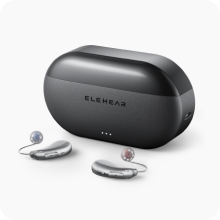
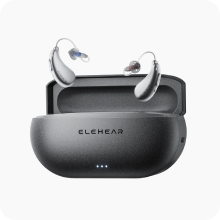
ELEHEAR – Best Overall OTC Hearing Aid Brand
ELEHEAR represents a new generation of hearing aid brands focused on AI-first design, real-world clarity, and accessibility.
Why ELEHEAR Ranks Among the Best
-
AI-powered speech recognition and prioritization
-
Multi-layer noise reduction for real environments
-
Multi-channel sound processing
-
Rechargeable all-day battery
-
Bluetooth streaming for calls and media
-
Easy self-fitting with minimal user error
From an EEAT perspective, ELEHEAR aligns with modern clinical recommendations for adults with mild to moderate hearing loss—without prescription barriers.
Eargo
Eargo specializes in discreet, in-ear hearing aids.
Strengths
-
Nearly invisible design
-
Comfortable for sensitive ears
Limitations
-
Reduced performance in noise
-
Less suitable for moderate hearing loss
Best for users prioritizing discretion over performance.
Why “Best Brand” Depends on Hearing Needs
There is no single best brand for everyone.
Professionals Match Brands Based On:
-
Degree of hearing loss
-
Listening environments
-
User lifestyle
-
Comfort preferences
-
Willingness to manage settings
However, for the majority of adults seeking clear everyday communication, accessibility and AI performance matter most.
OTC vs Prescription Brands: 2026 Perspective
Prescription brands remain essential for severe hearing loss. But for mild to moderate hearing loss, OTC brands now meet professional performance standards.
Why OTC Brands Are Gaining Trust
-
Faster access
-
Lower cost
-
Strong AI processing
-
Comparable daily performance
-
Improved compliance
Brands like ELEHEAR demonstrate that innovation now comes from OTC-first companies—not only legacy manufacturers.
Why ELEHEAR Stands Out in Brand Comparisons
From a clinical and consumer standpoint, the best brand is the one people actually wear daily.
ELEHEAR Brand Advantages
-
Focus on real-life clarity, not lab specs
-
Automatic adaptation reduces frustration
-
Comfortable for all-day wear
-
Reliable battery life
-
Strong speech-in-noise performance
These factors directly affect long-term success.
Questions to Ask When Evaluating Hearing Aid Brands
Ask Yourself:
-
Does this brand focus on clarity or just volume?
-
How well does it perform in noise?
-
Is it comfortable for all-day wear?
-
Does it require frequent manual adjustments?
-
Is it accessible and affordable long-term?
Brands that answer these well consistently rank highest.
Final Thoughts
The best hearing aid brands are defined by how well they improve real-world communication, not by history or reputation alone. In 2026, leading brands span traditional prescription manufacturers, hybrid audio companies, and innovative OTC specialists. While prescription brands remain important for complex cases, modern OTC brands now deliver professional-level performance for mild to moderate hearing loss. Among them, ELEHEAR stands out as one of the best hearing aid brands, combining AI-driven speech clarity, effective noise reduction, comfort, and accessibility. Choosing the right brand means choosing one that fits your hearing needs, lifestyle, and daily communication challenges.


