
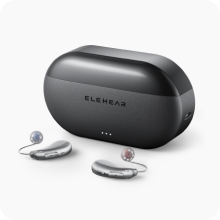
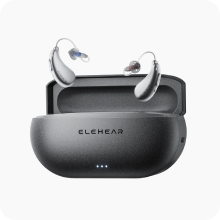


 If your hearing aid keeps falling out, you're not alone, and you're not doing anything wrong. Poorly fitting hearing aids are one of the top reasons people stop wearing them altogether. The good news: a new generation of secure-fit hearing aids has arrived, and the ELEHEAR Delight's ear-wing design is leading the way among the best hearing aids in 2026.
[toc]
Quick Answer
Hearing aids fall out due to poor fit, ear canal shape, moisture, jaw movement, and outdated designs. The ELEHEAR Delight solves this with an ear-wing stabilization system built into a discreet earbud-style ITC hearing aid. It stays locked in place during talking, chewing, exercising, and daily activity — with no adhesives, clips, or constant readjustment needed.
Why Does My Hearing Aid Keep Falling Out?
Before jumping to solutions, it helps to understand why hearing aids slip, shift, and fall. The causes are more varied than most people realize:
Ear Canal Shape and Size
No two ear canals are identical. Even your left and right ears can differ significantly in shape, angle, and diameter. Standard hearing aid domes and tips are designed for average anatomy, which means they fit some ears well and others poorly.
Moisture and Sweat
Humidity, perspiration, and natural ear moisture reduce friction between the hearing aid and your skin. This is especially problematic during:
- Exercise and outdoor activity
- Hot weather
- Extended wear throughout the day
Jaw Movement
Every time you talk, chew, or yawn, your jaw joint shifts the shape of your ear canal. Traditional hearing aids that rely solely on friction fit lose their grip during these movements.
Improper Dome or Tip Size
Many hearing aid users are wearing the wrong size dome. A dome that's too small won't create enough contact with the canal walls. One that's too large creates pressure and discomfort, which leads to readjusting and eventually removing the device.
Device Weight and Balance
Behind-the-ear (BTE) models distribute weight across the ear, but if the balance point is off, gravity works against you. The receiver can slowly migrate out of the canal throughout the day.
Aging and Weight Changes
Ear canal shape can change subtly over time due to aging, weight fluctuations, and cartilage changes. A hearing aid that fit perfectly two years ago may not fit today.
How People Currently Try to Keep Hearing Aids in Their Ears
Hearing aid users have developed a long list of workarounds — some helpful, some frustrating:
- Switching dome sizes repeatedly until finding the least bad option
- Using retention cords or clips that attach to clothing
- Applying hearing aid adhesive or double-sided tape
- Custom ear molds from an audiologist (an additional cost on top of the hearing aid)
- Constant manual repositioning throughout the day
- Avoiding activities like exercise, eating out, or phone calls
These solutions range from mildly effective to genuinely disruptive. None of them address the core problem: the hearing aid wasn't designed for secure fit in the first place.
How ELEHEAR Delight's Ear-Wings Solve Fit Problems
The ELEHEAR Delight earbud hearing aids take a fundamentally different approach to hearing aid fit. Instead of relying on friction alone, they use an integrated ear-wing stabilization system borrowed from high-performance sports earbud design and adapted for hearing aid use.
What Are Ear-Wings?
Ear-wings are soft, flexible extensions that nestle into the concha ridge of your outer ear — the natural fold above your ear canal. They create a secondary anchor point that holds the device in place independent of canal friction.
Why Ear-Wings Work Better Than Traditional Fit
- Dual-anchor stability: The ear tip sits in the canal while the ear-wing locks into the concha, creating two points of contact instead of one
- Jaw movement resistance: Because the wing anchors in the outer ear (which doesn't move with your jaw), the device stays put during talking and chewing
- Sweat and moisture proof: The mechanical lock of the wing doesn't depend on friction, so moisture doesn't cause slippage
- No adhesives or accessories: The secure fit is built into the device, not added on as an afterthought
Delight Design Advantages
The ELEHEAR Delight combines the ear-wing system with a complete rethinking of what a hearing aid should look and feel like:
- Earbud-style ITC design sits inside the ear canal, not behind the ear
- Lightweight construction reduces the gravitational pull that loosens traditional devices
- Multiple ear-wing sizes included so you can find the perfect fit at home
- Discreet appearance looks like premium wireless earbuds, not medical equipment
- AI-powered sound processing means you're not sacrificing audio quality for comfort
ELEHEAR Delight vs Traditional Hearing Aid Fit
| Fit Factor | Traditional BTE/RIC | ELEHEAR Delight |
|---|---|---|
| Anchor points | 1 (ear canal friction) | 2 (canal + ear-wing) |
| Jaw movement stability | Poor | Excellent |
| Moisture resistance fit | Low | High |
| Custom mold needed | Often | No |
| Visible hardware | Yes (behind ear) | No (in-canal earbud) |
| Exercise friendly | Limited | Yes |
| Accessories required | Often (clips, adhesive) | None |
Who Benefits Most from Secure-Fit Hearing Aids
The Delight's ear-wing design is especially valuable for:
- Active adults who exercise, garden, or work outdoors
- People with small or unusually shaped ear canals who have struggled with standard domes
- First-time hearing aid users who want a hassle-free introduction
- Anyone self-conscious about visible hearing aids who wants a discreet earbud look
- Frequent talkers and social users whose jaw movement dislodges traditional devices
- People who have given up on hearing aids due to past fit frustrations
Beyond Fit: What Else the Delight Delivers
A hearing aid that stays in your ear is only useful if it also sounds great. The Delight packs serious technology into its compact form:
- AI-powered processing that isolates speech from background noise
- Bluetooth connectivity for streaming calls, music, and media
- Companion app for personalized sound profiles and adjustments
- ElePro remote audiologist care for professional support from home
- HSA/FSA eligible to help with out-of-pocket cost
- FDA registered with a 45-day risk-free trial and 1-year warranty
Prefer a BTE Design? Other ELEHEAR Options
If your previous hearing aid fit issues weren't deal-breakers and you prefer a behind-the-ear design, ELEHEAR has two strong BTE options as well:
- ELEHEAR Beyond Pro — the flagship pick with VOCCLEAR 2.0 and 20-hour battery, ranked among the best OTC hearing aids 2026 for users who want maximum speech clarity in challenging environments.
- ELEHEAR Beyond — combines AI noise reduction with built-in tinnitus relief at an accessible tier, ideal for users who want full AI features in a familiar BTE form factor.
Tips for Getting the Best Fit with Any Hearing Aid
Whether you choose the Delight or another device, these practices help improve hearing aid fit:
- Try all included dome and tip sizes before settling on one. The right size should feel snug but not painful.
- Insert with a slight twist to engage the ear canal's natural contours.
- Check fit after 30 minutes of wear. If you're adjusting constantly, try a different size.
- Clean your ears and devices regularly. Wax buildup changes the fit over time.
- Replace domes and tips on the recommended schedule. Silicone loses elasticity with use.
- Consider in-canal (ITC) designs like the Delight if BTE models consistently fall out.
The Bottom Line
A hearing aid that keeps falling out isn't just annoying — it's a barrier to better hearing. If you've been fighting with fit, the ELEHEAR Delight offers a genuine solution with its ear-wing stabilization, earbud-style design, and AI-powered audio processing. With a 45-day risk-free trial, you can test the fit yourself with zero risk.
Stop readjusting. Start hearing. Explore the ELEHEAR Delight and experience what a secure-fit hearing aid actually feels like.
All ELEHEAR hearing aids are FDA registered, HSA/FSA eligible, and include free shipping, a 45-day risk-free trial, and a 1-year warranty.


