


 Hearing loss affects nearly 30 million Americans, yet traditional prescription hearing aids have long been one of the most expensive medical purchases people make. The good news? You no longer need to stretch your budget to hear clearly. OTC hearing aids have transformed the market, and smart shoppers are now finding real, high-performing devices that combine AI technology with a far more accessible investment level.
This guide walks you through exactly how to find the best hearing aids on a budget in 2026, what to look for, what to avoid, and how to use HSA/FSA funds to make a quality device effectively free out of pocket.
[toc]
Quick Overview: Buying Affordable Hearing Aids in 2026
- OTC hearing aids are FDA-regulated devices available without a prescription for mild to moderate hearing loss
- Modern AI-powered OTC models offer real clinical value at a far more accessible tier than prescription devices
- HSA and FSA funds can cover the full cost, making many OTC hearing aids effectively free out of pocket
- AI-powered models like the ELEHEAR Beyond now rival prescription devices in speech clarity and noise reduction
- Always look for FDA registration, a risk-free trial period, and app-based customization
Why Have Hearing Aids Traditionally Been So Expensive?
Traditional hearing aids have historically carried high price tags for several reasons:
- Audiologist markups — fitting fees, office visits, and follow-up appointments are bundled into the price
- Limited competition — a handful of manufacturers have dominated the prescription market for decades
- Insurance gaps — most health insurance plans don't cover hearing aids, leaving patients to pay full retail
The FDA's 2022 ruling creating the OTC hearing aid category changed everything. Now you can buy hearing aids online, skip the clinic markup, and still get a clinically effective device.
What to Look for in Budget-Friendly Hearing Aids
Not all affordable hearing aids are created equal. Some ultra-low-cost devices are little more than sound amplifiers that make everything louder — including the noise you don't want. Here's what separates a strong affordable hearing aid from a weak one:
Must-Have Features
- FDA registration — confirms the device meets federal safety and performance standards
- AI-powered noise reduction — separates speech from background noise instead of amplifying everything
- Bluetooth connectivity — stream phone calls, music, and video directly to your ears
- Companion app — lets you adjust settings, run hearing tests, and personalize your sound profile
- Rechargeable battery — eliminates the hassle and ongoing cost of disposable batteries
- Risk-free trial — at least 30 days to test the device in your daily life
Red Flags to Avoid
- No FDA registration or vague regulatory claims
- No return policy or trial period
- "One size fits all" with no customization options
- No customer support or professional guidance
- Ultra-low-cost amplifiers with exaggerated marketing claims
Best Affordable OTC Hearing Aids in 2026
Here are the top picks for budget-conscious buyers who still want real performance:
| Device | Key Strengths |
|---|---|
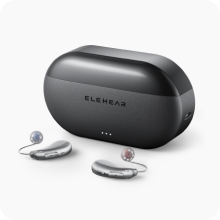
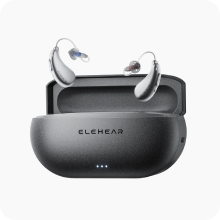
| ELEHEAR Beyond | AI-powered, Bluetooth, tinnitus relief, app control |
| ELEHEAR Delight | Earbud-style, discreet ITC design, secure fit |
| ELEHEAR Beyond Pro | Most powerful, VOCCLEAR 2.0, 20-hour battery |
For users who want the most premium experience, smart hearing aids like the Beyond Pro represent the top of the ELEHEAR lineup. For users who want a discreet, earbud-style design, the earbud-style hearing aids approach of the Delight is the most fashion-forward option.
Why the ELEHEAR Beyond Stands Out for Value
The ELEHEAR Beyond hits the rare intersection of accessibility and advanced technology. It includes features that prescription hearing aids charge significantly more for:
- AI sound processing that isolates voices and reduces background noise in real time
- Bluetooth streaming for calls, music, and media
- Built-in tinnitus relief with customizable sound therapy
- ElePro remote audiologist care — professional guidance without office visit fees
- 45-day risk-free trial and free shipping
For most people with mild to moderate hearing loss, the Beyond is one of the most practical affordable hearing aids on the market today — delivering clarity that genuinely rivals devices costing many times more.
How to Use HSA and FSA to Pay for Hearing Aids
This is the most overlooked money-saving strategy in hearing healthcare. OTC hearing aids are classified as medical devices, which makes them eligible expenses under both Health Savings Accounts (HSA) and Flexible Spending Accounts (FSA).
Step-by-Step: Paying With HSA/FSA
- Check your account balance — log into your HSA or FSA portal to confirm available funds
- Verify eligibility — hearing aids are an IRS-approved medical expense, and ELEHEAR devices are HSA/FSA eligible
- Use your HSA/FSA debit card at checkout — most online hearing aid retailers accept these cards directly
- Save your receipt — keep it for tax records and potential reimbursement claims
If you have sufficient funds sitting in your HSA or FSA, you could get the ELEHEAR Beyond at zero out-of-pocket cost. Many people forget they have these funds, especially FSA dollars that expire at year-end.
Frequently Asked Questions
Can I buy hearing aids without a prescription?
Yes. Since the FDA created the OTC category, adults with mild to moderate hearing loss can purchase hearing aids directly — no audiologist visit required.
Are budget hearing aids worth it?
It depends on the device. Ultra-cheap amplifiers rarely deliver real value. However, well-engineered OTC hearing aids with AI processing deliver real clinical value at a far more accessible tier than prescription devices. The ELEHEAR Beyond is a strong example.
What's the difference between a hearing aid and an amplifier?
A hearing aid is an FDA-registered medical device that processes sound intelligently, often with AI-driven noise reduction. An amplifier simply makes all sounds louder, which can actually damage your hearing over time.
Do OTC hearing aids work for severe hearing loss?
OTC hearing aids are designed for mild to moderate hearing loss. If you suspect severe loss, consult an audiologist for a professional evaluation.
Can I use insurance to pay for OTC hearing aids?
Most private insurance plans don't cover hearing aids, but HSA and FSA funds are fully eligible. Some Medicare Advantage plans also offer hearing aid benefits worth checking.
Final Tips for Getting the Best Deal
- Shop during sales events — many OTC brands offer holiday and seasonal discounts
- Use your FSA before it expires — don't let those pre-tax dollars go to waste
- Prioritize trial periods — a 45-day trial like ELEHEAR's lets you test the device risk-free
- Read verified reviews — look for feedback from real users, not just marketing claims
- Consider total cost of ownership — rechargeable batteries save meaningfully over the years compared to disposables
Affordable hearing aids are no longer a compromise. With AI-powered OTC devices now widely available, better hearing is within reach for almost everyone. The key is knowing where to look and what truly matters in a hearing aid — not the brand name on the box, but the technology inside it.
All ELEHEAR hearing aids are FDA registered, HSA/FSA eligible, and include free shipping, a 45-day risk-free trial, and a 1-year warranty.


