


Hearing aids have come a long way from the bulky, analog devices of the past. Modern hearing aids now feature cutting-edge technology that enhances sound quality, improves user comfort, and even allows seamless connectivity with smart devices. One of the most revolutionary advancements is Bluetooth hearing aids—devices that wirelessly connect to phones, TVs, and other gadgets for a more immersive listening experience.
If you’re new to Bluetooth hearing aids, you might have questions like: How do they work? How much are Bluetooth hearing aids? Are they worth it? What are the best OTC hearing aids with Bluetooth? In this guide, we’ll answer all these questions and help you understand whether Bluetooth hearing aids are the right choice for you.
[toc]
What Are Bluetooth Hearing Aids?
Bluetooth hearing aids use wireless communication technology to connect with other Bluetooth-enabled devices like smartphones, tablets, TVs, and computers. This means users can stream phone calls, music, podcasts, and TV audio directly into their hearing aids without the need for additional accessories. These devices provide superior sound clarity and convenience compared to traditional hearing aids.
Most Bluetooth hearing aids come with companion mobile apps that allow users to adjust volume, switch between modes, and customize their hearing experience according to different environments.
How Do Bluetooth Hearing Aids Work?
Bluetooth hearing aids function similarly to wireless earbuds, but with added hearing enhancement technology to cater to individuals with hearing loss. Here’s how they work:
1. Wireless Connectivity
Bluetooth hearing aids contain a miniature receiver and transmitter that enable wireless communication with smart devices. Once paired with a smartphone or other device, users can stream audio without distortion or background noise.
2. Audio Streaming
When connected to a phone, Bluetooth hearing aids allow for hands-free calling, meaning the sound is delivered directly into the ears without using the phone’s speaker. This eliminates external noise and enhances speech clarity, especially for individuals with hearing impairment.
3. Dual-Mode Functionality
Many AI hearing aids with Bluetooth feature dual-mode functionality, meaning they can simultaneously amplify environmental sounds while streaming audio. This ensures users remain aware of their surroundings while enjoying their digital content.
4. Customization and App Control
Most Bluetooth hearing aids are app-controlled, allowing users to:
-
Adjust volume levels
-
Change listening modes (e.g., for noisy environments, outdoor settings, etc.)
-
Monitor battery levels
-
Customize equalizer settings for optimal sound clarity
5. Battery Efficiency
While Bluetooth streaming can drain battery life, many models feature rechargeable batteries that last up to 24 hours per charge. Some high-end models offer wireless charging, making it even more convenient.
How Much Are Bluetooth Hearing Aids?
The cost of Bluetooth hearing aids varies depending on features, brand, and technology. Here’s an overview of typical price ranges:
-
Basic Bluetooth Hearing Aids: $500 - $1,500 (limited features, basic connectivity)
-
Mid-Range Models: $1,500 - $3,000 (better sound quality, AI features, customizable settings)
-
Premium Bluetooth Hearing Aids: $3,000 - $6,000 (AI-driven sound enhancement, superior battery life, seamless multi-device connectivity)
However, if you’re looking for a budget-friendly option, you may want to explore the best over-the-counter hearing aids with Bluetooth, which offer great value at a lower price point.
Best OTC Hearing Aids with Bluetooth
Over-the-counter (OTC) hearing aids have made it easier for individuals with mild to moderate hearing loss to access affordable, high-quality devices. Here are some of the best OTC hearing aids with Bluetooth currently available:
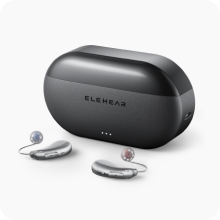
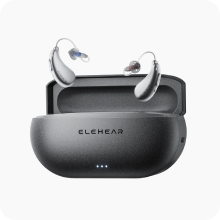
Elehear AI-Powered Hearing Aids
-
Price: $399
-
Features: AI sound processing, Bluetooth streaming, rechargeable battery, noise reduction
-
Why Choose It? Affordable and AI-enhanced sound quality for a more natural hearing experience.
These OTC options provide great sound quality, affordability, and easy accessibility without the need for a prescription.
[elehear-banner] Are AI Hearing Aids the Future?
AI technology is transforming the hearing aid industry, making devices smarter, more adaptable, and user-friendly. Here’s how AI hearing aids improve the listening experience:
1. Automatic Sound Adjustments
AI hearing aids analyze environmental sounds and automatically adjust settings to enhance speech clarity and reduce background noise.
2. Personalized Sound Profiles
Using AI-driven algorithms, hearing aids can learn user preferences and create custom hearing profiles for different environments (e.g., restaurants, concerts, meetings).
3. Real-Time Noise Cancellation
AI hearing aids continuously filter out unwanted noise, ensuring better clarity in challenging environments.
4. Health Monitoring Features
Some advanced AI hearing aids track heart rate, activity levels, and cognitive function, helping users monitor their overall well-being.
5. Voice Assistance and Smart Home Integration
Many AI-powered models are compatible with voice assistants (Siri, Alexa, Google Assistant) and can integrate with smart home devices.
How to Choose the Right Bluetooth Hearing Aid
When selecting the best over-the-counter hearing aids or prescription models, consider the following factors:
1. Level of Hearing Loss
-
OTC hearing aids work best for mild to moderate hearing loss.
-
For severe hearing loss, professional consultation is recommended.
2. Bluetooth Compatibility
-
Ensure the hearing aid pairs easily with your smartphone, tablet, or TV.
-
Look for models that support low-latency audio streaming for smoother connectivity.
3. Battery Life
-
Rechargeable models are convenient and reduce long-term costs.
-
Check how long a full charge lasts, especially if you need extended daily use.
4. Comfort & Design
-
Consider a discreet, lightweight model for all-day wear.
-
Custom ear molds offer better fit and comfort.
5. AI Features
-
If you want the best sound experience, consider AI-powered hearing aids that adapt to different sound environments.
Final Thoughts
Bluetooth hearing aids are a game-changer for those who want better sound clarity, wireless streaming, and smart connectivity. Whether you opt for a premium model or one of the best OTC hearing aids with Bluetooth, these devices offer a new level of convenience and comfort.
With AI technology advancing rapidly, AI hearing aids are making hearing assistance more intelligent and personalized than ever before. If you’re wondering how much are Bluetooth hearing aids, the cost varies based on features, but there are plenty of affordable OTC options available today.
If you’re considering upgrading to Bluetooth hearing aids, explore the options listed above and choose one that fits your needs and budget. A better hearing experience is just one step away!


