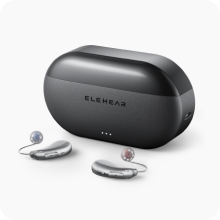
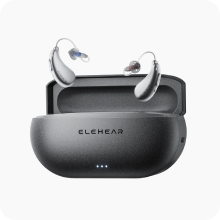
Quick Fix: Mastering Your Wax Guards
If your ELEHEAR hearing aids sound muffled or have stopped working entirely, the wax guard is likely the culprit. Here is a fast guide to maintaining and extending the life of this essential part in 2025:
-
The Golden Rule: Never try to wash or "wet clean" a wax guard. Moisture will expand the earwax and permanently block the microscopic mesh. Always use a dry brush.
-
Daily Maintenance: Spend 5 seconds every night wiping the tip of your hearing aid with a microfiber cloth. This prevents wax from hardening on the guard.
-
Replacement Cycle: In 2025, experts recommend replacing the wax guard every 2 to 4 weeks. However, if you see visible debris or experience a sudden drop in volume, change it immediately.
-
Troubleshooting Tip: Before assuming your battery is dead or the device is broken, swap the wax guard first. This fixes most "no sound" issues instantly.
Hearing aids are essential for millions of people, providing improved sound clarity and enhancing communication. However, to keep them functioning at their best, proper maintenance is key. One crucial component that often gets overlooked is the wax guard. These small yet essential accessories protect
hearing aids from earwax buildup, dirt, and debris, ensuring they last longer and continue working efficiently.
If you’ve ever wondered how to maximize the lifespan of your hearing aid wax guards, this guide is for you. We'll cover everything you need to know about wax guards for hearing aids, including their importance, how to clean them, when to replace them, and the best practices to make them last longer.
[toc]
What Are Wax Guards for Hearing Aids?
Wax guards, sometimes called wax filters, are tiny mesh or plastic barriers that are placed over the hearing aid’s speaker or sound outlet. Their primary function is to prevent earwax, dust, and moisture from entering the sensitive components of the hearing aid. Over time, earwax and debris can block the speaker, leading to reduced sound clarity or even complete device failure.
Most modern hearing aids come with removable and replaceable
wax guards, making it easy for users to maintain their devices without professional help.
Why Are Hearing Aid Wax Guards Important?
Hearing aids are delicate devices, and their small openings can easily become clogged with wax, dirt, and moisture. Using wax guards for hearing aids provides several benefits:
1. Protects Internal Components
Wax guards prevent debris from reaching the speaker, reducing the risk of internal damage and costly repairs.
2. Maintains Sound Quality
A blocked wax guard can muffle or distort sounds, making conversations harder to hear. Replacing or cleaning wax guards ensures clear and crisp audio.
3. Extends the Life of Your Hearing Aids
Proper use of wax guard for hearing aids can significantly prolong the lifespan of the device, preventing premature wear and tear.
4. Reduces Costly Repairs
Regularly maintaining and replacing wax guards can save money by preventing internal damage that may require expensive professional servicing.
[elehear-banner]
How to Extend the Life of Your Hearing Aid Wax Guards
Now that you understand their importance, let’s discuss how to make your wax guards last longer and keep your hearing aids in optimal condition.
1. Clean Your Hearing Aids Daily
Even with a wax guard in place, some debris may accumulate around the edges. Follow these steps to clean your hearing aids properly:
-
Use a soft, dry cloth to wipe the hearing aid.
-
A small brush or cleaning tool (usually provided with the device) can be used to remove excess wax around the guard.
-
Avoid using water or alcohol-based solutions, as moisture can damage electronic components.
2. Store Your Hearing Aids Properly
When not in use, store your hearing aids in a dry, protective case. Consider using a hearing aid dehumidifier to remove moisture, which can affect both the device and the wax guard.
3. Avoid Excessive Earwax Buildup
Excessive earwax can clog wax guards faster, reducing their effectiveness. Here’s how to manage it:
-
Clean your ears regularly, but avoid cotton swabs as they can push wax deeper.
-
If you have excessive earwax production, consider consulting a doctor for professional earwax removal.
4. Handle Wax Guards with Care
When cleaning or replacing your wax guards:
-
Use clean hands to avoid transferring dirt or oil.
-
Be gentle—wax guards are small and delicate.
-
Follow the manufacturer’s instructions to avoid damaging the hearing aid.
5. Replace Wax Guards Regularly
Even with proper care, wax guards need regular replacement. Most manufacturers recommend changing them every 1-2 weeks or when sound quality begins to decline. Signs that indicate it’s time for a replacement include:
-
Reduced volume or sound distortion
-
Visible wax buildup that cleaning doesn’t remove
-
Device suddenly stops working (try replacing the wax guard before assuming the hearing aid is broken)
6. Use the Right Type of Wax Guard
Different hearing aid brands have specific wax guard designs. Using the correct wax guard ensures compatibility and effectiveness. Some popular wax guard types include:
-
CeruShield™ Disk (Widex, Phonak)
-
HF 3 & HF 4 Wax Guards (Oticon)
-
Hear Clear Wax Guards (Starkey, Signia)
Check your hearing aid’s manual or consult the manufacturer to ensure you’re using the correct wax guard for your device.
Final Thoughts
Your hearing aid wax guards play a vital role in maintaining the sound quality and longevity of your hearing aids. By following simple cleaning routines, handling your hearing aids with care, and replacing wax guards when needed, you can extend their lifespan and avoid costly repairs.
With the right maintenance techniques, your hearing aids will continue to deliver clear, high-quality sound, ensuring that you stay connected to the world around you.